


 Alphabet Stock Slides as Google AI Pioneer Jeff Dean Exits to Launch Discovery Loop
  Telegram Restored on Apple App Store After Temporary Removal
  T-Mobile Executives Reportedly Oppose $300 Billion Deutsche Telekom Merger
  SanDisk Q4 Earnings Beat Estimates as Q1 Revenue Outlook Meets Expectations
  Nvidia to Invest Up to $3 Billion in Blackstone-Backed Lancium
  Western Digital Q4 Earnings Beat Estimates as FY2027 Outlook Tops Expectations
  Sony Raises Full-Year Outlook After Q1 Profit Jumps 40% on Gaming and Chip Growth
  Airbnb Stock Jumps After Q2 Earnings Beat, Strong 2026 Outlook
  Siemens Energy Q3 Profit Beats Forecast as AI-Driven Power Demand Fuels Growth
  SK Hynix, Samsung Lead Asian Chip Stock Selloff After Sandisk, Western Digital Outlook
  Meta Ordered to Pay $567M Over Child Safety Violations in New Mexico
  Samsung, SK Hynix Test AMEC Chipmaking Tools for China Backup Plan
  Infineon Raises 2026 Revenue Outlook as AI Data Center Demand Fuels Record Quarterly Sales
  DHL Q2 Profit Jumps 24% as Express Business Drives Growth
  AMP Shares Surge 13% After Strong Profit and A$150 Million Buyback
  DeepSeek to Raise AI API Prices as Demand for New Models Surges
  SpaceX Targets Starship Flight 14 With First V3 Starlink Satellite Launch


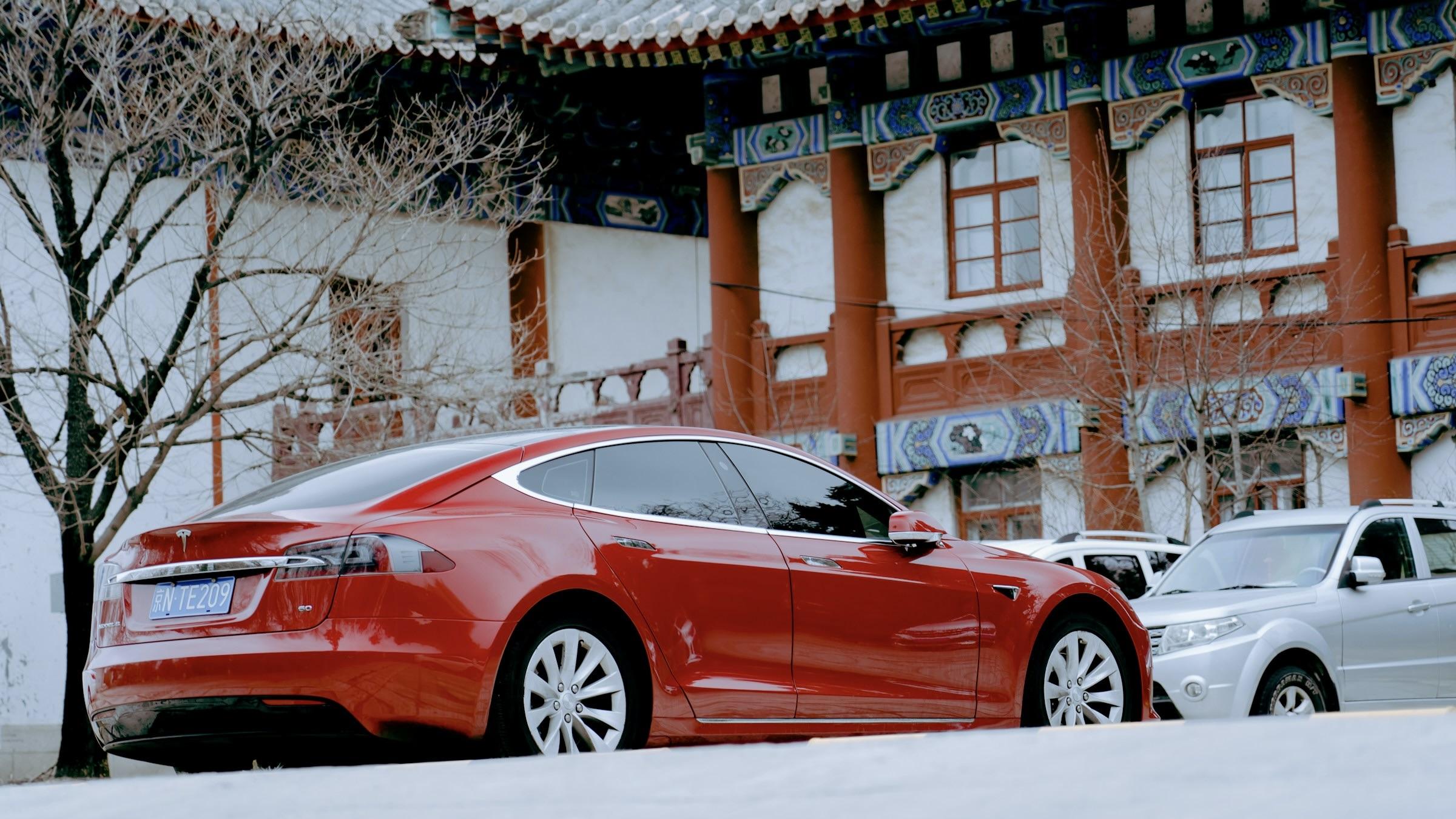
Shanghai's new data-export policy could accelerate Tesla's plans to build a local data center, enhancing its artificial intelligence (AI) development for autonomous driving.
China's Regulatory Update
As China attempts to attract foreign investment to stimulate a sluggish economy, Shanghai has reportedly compiled a list of data that can be transmitted overseas without security assessments, according to a government document obtained by Reuters.
Earlier reports stated that Tesla had started preliminary discussions regarding constructing a data center in China to train its autonomous driving AI. Two individuals, who requested anonymity due to the confidential nature of the work, claim that Tesla has been formulating strategies for establishing a data center in China to train the algorithm necessary to develop completely autonomous vehicles in the future.
Shanghai, China's bustling market and business capital, has taken a significant step in data regulation. The government has meticulously assembled a preliminary compilation of 'ordinary data' in three key sectors—intelligent and connected vehicles, mutual funds, and biomedicine. The document highlights that these sectors require the least regulation for data transfers, a strategic move in China's economic landscape.
Pilot Program in Lingang Area
Companies operating in the city's free-trade Lingang Area, home to Tesla's Shanghai factory, have been granted a unique opportunity. For one year, they can now transfer data on the list overseas without undergoing additional security assessments.
This privilege is part of a pilot program, a testament to China's commitment to fostering a favorable business environment, as revealed in a document distributed to companies at an event in Shanghai where the white list was announced.
Insights on Tesla's Data Needs
Electrek shared its thoughts regarding this recent development. It elaborates that Tesla will require a substantial amount of video footage from its vehicles in China to train its Full Self-Driving neural networks for use on Chinese roads. The government appeared to harbor apprehensions regarding the potential exportation of these recordings overseas.
"Therefore, I wouldn't be surprise if this report turns out to be true," the EV-focused publication added.
Nvidia and US Sanctions Impact
Tesla would need to collaborate with a Chinese collaborator to establish a data center in China for FSD development. Additionally, sourcing hardware may be a challenge.
According to a source with knowledge of the discussions, the company has reportedly talked with Nvidia about purchasing graphics processing units for a data center in China. U.S. sanctions prohibit Nvidia and its partners from distributing their most advanced processors in China.
Nvidia refrained from providing an update on whether or not it had engaged in negotiations with Tesla.
Photo: Lance Chang/Unsplash







