


 We combed through old botanical surveys to track how plants on Australia’s islands are changing
  China Vanke Shares Jump as Beijing Moves to Ease Debt Pressure
  Rise of the Zombie Bugs takes readers on a jaw-dropping tour of the parasite world
  Goldman Sachs Names Simon Lyons UK Investment Banking Co-Head
  Nike Earnings at Risk as UBS Cuts Price Target to $42
  US-China Talks Target AI, Tariffs Ahead of Trump-Xi Summit
  Parasites are ecological dark matter – and they need protecting
  Asian Currencies Muted as Dollar Firms Ahead of Trump-Xi Summit
  GesiaPlatform Launches Carbon-Neutral Lifestyle App ‘Net Zero Heroes’
  Paramount-Warner Bros $110 Billion Deal Draws Antitrust Backlash
  Gold Prices Rise as Oil Slide Eases Fed Rate Hike Fears
  Trump Signs Executive Order to Boost AI Research in Childhood Cancer
  France Debt-to-GDP Ratio Seen Hitting Record 119.3% in 2026
  An unexpected anomaly was found in the Pacific Ocean – and it could be a global time marker
  Neuralink Plans High-Volume Brain Implant Production and Fully Automated Surgery by 2026
  Strait of Hormuz Oil Shipments Hit Six-Month High as U.S. Clears Mines


 Add as a preferred source on Google
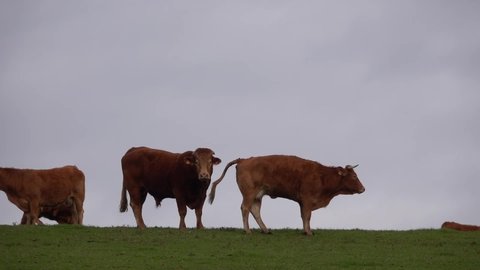
South Korea’s Ministry of Agriculture, Food, and Rural Affairs and Hyundai Steel Co. have joined hands to use livestock excrements for producing solid fuel for making iron to reduce greenhouse gas emissions.
Last year, South Korea’s livestock excrement production reached 51.2 million tons as the number of livestock continued to increase.
Over 90 percent of this excrement is turned into manure or liquified fertilizer for farm use.
However, shrinking farmlands and heavier restrictions on compost spraying make excrement processing increasingly difficult.
Additionally, making and distributing compost generates ultrafine dust like ammonia and greenhouse gases, threatening the environment.
More than 21 million tons of compost made of cow excrement are being used annually, generating over 2,728,000 tCO2-eq of greenhouse gas.







