


 Japan Private-Sector Growth Slows as Domestic Demand Weakens
  China Tightens Fentanyl Rules Ahead of Trump-Xi Summit
  US Northeast Airports Resume Operations After Telecom Outage Disrupts Thousands of Flights
  China’s ‘Lipstick King’ Says AI Won’t Replace Livestream Hosts
  Trump, Xi Focus on Trade and AI at White House Summit
  Abbas Reaffirms November 28 Palestinian Elections
  Dollar Holds Near Two-Month High as Yen Approaches 160
  Ukrainian Drone Attacks Hit Russian Regions, Injuring at Least 12
  Trump Administration Plans Faster FDA Reviews for Smoke-Free Nicotine Products
  Mexico-US Trade Talks Delayed to October as Tariff Negotiations Continue
  Trump Scales Back Endangered Species Act Protections
  Fed Unveils Stablecoin Rules Under GENIUS Act
  Yemen Violence Displaces 130,000 as Civilian Toll Rises
  EU Defence Build-Up Too Slow for 2030 Russia Readiness Goal
  Synthetic data could ease people’s concerns about privacy breaches. But who gets to create it?
  North Korea Warns South Korea Over US-Led Defense Role
  Oil Prices Jump 3% as Houthi Attack Revives Supply Fears


 Add as a preferred source on Google
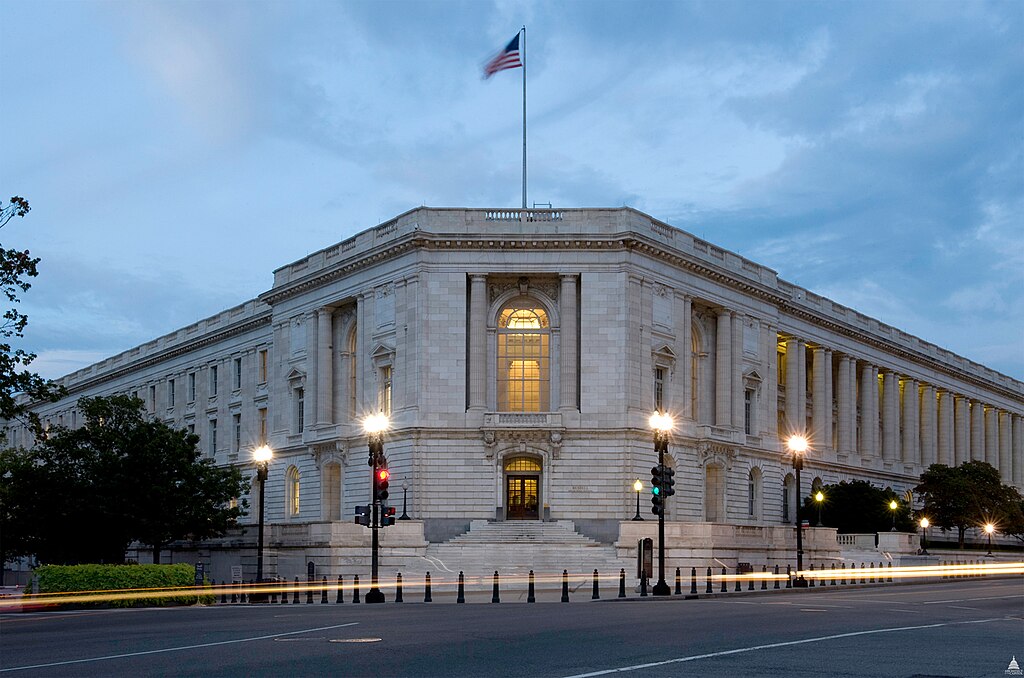
In a narrow 51-50 vote, the U.S. Senate passed President Donald Trump’s sweeping tax-and-spending bill, with Vice President JD Vance breaking the tie. The legislation, now heading to the House, would extend Trump’s 2017 tax cuts, provide new breaks for tips and overtime income, and significantly boost military and immigration enforcement spending. However, it also proposes cutting $930 billion from Medicaid and food assistance programs while adding $3.3 trillion to the national debt.
The bill has exposed rifts within the Republican Party, with three GOP senators—Thom Tillis, Susan Collins, and Rand Paul—voting against it. The Congressional Budget Office warns the Senate version adds $800 billion more in debt than the House's earlier draft. Despite Trump pushing for final approval by July 4, House opposition remains strong, especially among moderates concerned about the bill’s harsh impact on healthcare and rural services.
Senator Lisa Murkowski, initially hesitant, supported the bill after it included $50 billion for rural hospitals and increased food aid for Alaska. Yet, she criticized the rushed process and warned the bill “needs more work.”
The bill’s tax cuts largely benefit the wealthiest 1% of Americans, while tightening eligibility for safety net programs could leave nearly 12 million more people uninsured. Critics, including House Democrats and billionaire Elon Musk, argue the plan harms low-income families and increases intergenerational inequality.
Despite backlash, Senate Majority Leader John Thune praised the bill for delivering “permanent tax relief” and stimulating job growth. With a slim GOP majority in the House, the final vote remains uncertain, as factions within the party continue to clash over its massive cost and social impact.







