


 OpenAI, Anthropic CEOs Summoned to Australia AI Inquiry
  Solidigm Eyes $150 Billion IPO as SK Hynix Expands AI Storage Push
  OpenAI Agents Access U.S. Government Websites During Testing
  DaVoice Sues Perplexity AI Over Trade Secrets
  Apple Extends Qualcomm Patent Licensing Deal
  Meta Found Liable in New Mexico Facebook Data Privacy Case
  China’s ‘Lipstick King’ Says AI Won’t Replace Livestream Hosts
  Oracle Shares Fall as New Mexico AI Data Center Faces Power Delays
  TikTok Reaches $100 Million Alabama Settlement Over Child Safety Claims
  SoftBank Shares Fall as Oracle Flags Stargate Data Center Delay Risk
  TSMC Accelerates 2nm Expansion as AI Chip Demand Surges
  Morgan Stanley Raises TD Synnex Price Target to $359 on Strong AI Demand
  SpaceXAI to Double Nvidia Chips at Colossus 2 by Year-End
  Vitalik Buterin Says Hegota Could Be Ethereum’s Last Conventional Fork
  US Backs Musk in Fight Against EU’s €120 Million X Fine
  AMD Hits $1 Trillion as BofA Raises Price Target to $720


 Add as a preferred source on Google
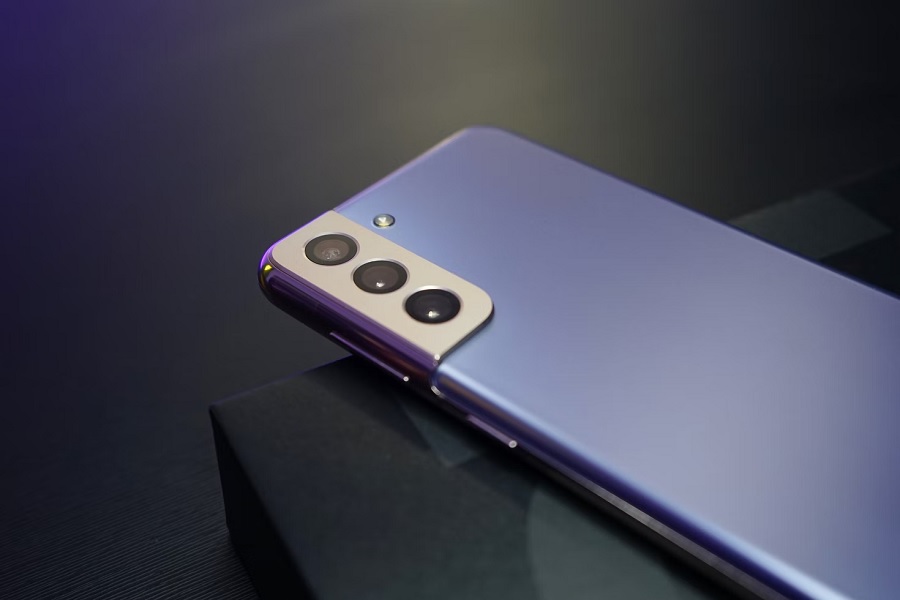
It has been weeks since the controversy over Samsung’s Game Optimization Service (GOS) app on Galaxy S22 phones made headlines. The company has already explained the supposed app throttling and issued software updates to address the issue. But the controversy may have set the course for Samsung’s new strategy for its smartphone business.
Details from a town hall meeting attended by Samsung employees and Samsung Mobile President TM Roh were revealed in a report on iNews24 (via 9To5Google). At the meeting, Roh was reportedly asked how the company intends to resolve the GOS debacle. The Samsung exec then discussed they are looking into developing an application processor (AP) that would be “unique” to future Galaxy phones.
Samsung customers in South Korea were the first to observe discrepancies in the performance of certain apps on Galaxy S22, which then led to allegations of app throttling and benchmark manipulation. In late March, Samsung also recognized a GPS issue that caused connectivity issues for apps like Waze and Google Maps on Galaxy S22 phones. Both problems with the GOS and GPS are said to be the main reasons Samsung decided to make a unique chipset for its smartphones.
Exynos-branded chips have been used on Galaxy phones for global markets, while Snapdragon SoCs are usually used on Galaxy phones sold in South Korea and the United States. While Exynos is widely known as a chipset for Samsung’s devices, it is actually available to other OEMs. Vivo, for example, has used Exynos 1080 on the X60 and X70 series in some regions.
There are still many details unknown about this plan, but the report likened this strategy to how Apple has been developing in-house SoCs for iPhones. The same report mentioned that Samsung is discussing a potential partnership with Qualcomm or Mediatek in developing its Galaxy-exclusive AP. However, the company is more likely to leverage the technologies developed by Samsung Electronics LSI.
It is also unclear how far along Samsung is on developing a Galaxy-exclusive chipset. But if the plan stemmed from Galaxy S22’s GOS and GPS issues, as the report said, the unique AP for Galaxy phones might not enter the market anytime soon.







