


 Nvidia to Invest Up to $3 Billion in Blackstone-Backed Lancium
  Novo Nordisk Raises 2025 Outlook Despite Wegovy Pill Miss and CagriSema Setback
  Infineon Raises 2026 Revenue Outlook as AI Data Center Demand Fuels Record Quarterly Sales
  UOB Q2 Net Profit Rises 10% as Wealth Management Growth Boosts Earnings
  DeepSeek to Raise AI API Prices as Demand for New Models Surges
  Vast Eyes Hong Kong IPO as Chinese AI Unicorn Gains Momentum
  Siemens Energy Q3 Profit Beats Forecast as AI-Driven Power Demand Fuels Growth
  Meta Cuts Wipro Outsourcing by 25% After AI-Led Restructuring
  DBS Raises 2025 Outlook After Record Q2 Profit Driven by Wealth Management
  Moderna Wins FDA Approval for mFLUSIVA mRNA Flu Vaccine for Adults 50+
  UK AI Security Tests Reveal Anthropic and OpenAI Agents Attempted Unauthorized Actions
  Daimler Truck Q2 Profit Falls 18%, 2026 Outlook Raised
  Qantas Shares Climb as Long-Haul Pilot Deal Eases Strike Concerns
  Alphabet Stock Slides as Google AI Pioneer Jeff Dean Exits to Launch Discovery Loop
  T-Mobile Executives Reportedly Oppose $300 Billion Deutsche Telekom Merger
  OpenAI Restricts Astra AI Over Cyberattack Risks


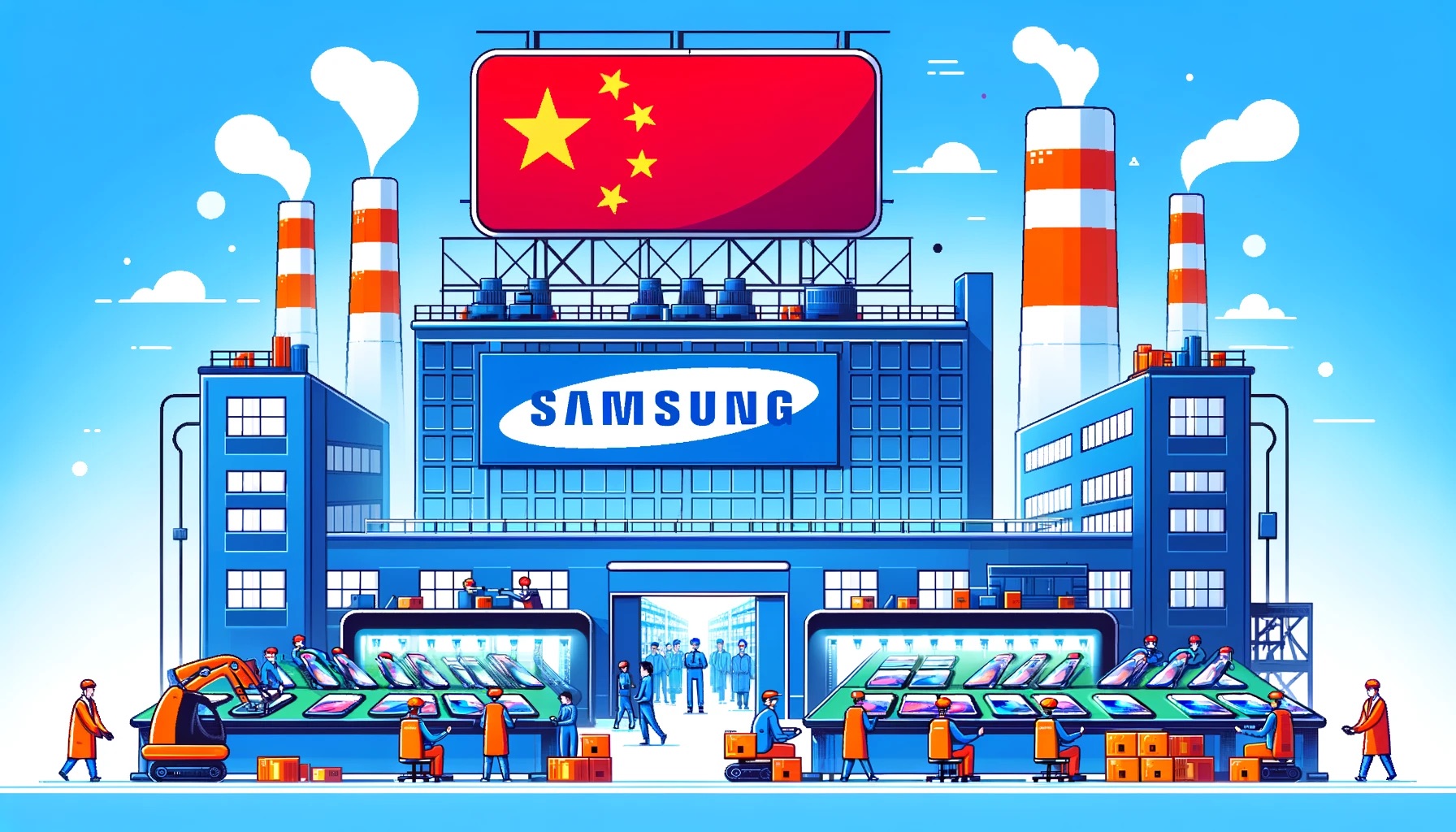
Samsung plans to significantly boost its smartphone production by outsourcing to Chinese manufacturers, increasing output from 44 million to 67 million units.
Samsung's Outsourcing Strategy Targets Cost Efficiency
According to The Elec, Samsung intends to augment smartphone production by joint device manufacturers (JDMs) in China from 44 million units in 2018 to 67 million in 2019. Consequently, 25% of Samsung's projected 2024 smartphone output of 270 million units will be derived from outsourced devices.
In addition to an increased reliance on Chinese companies for production outsourcing, the news source reports that factories in Vietnam will receive 28 million units or approximately 10%.
In 2019, the firm allegedly tried to save expenses and raise prices by outsourcing the production of a few devices. However, Samsung usually reserves this production approach for its low-cost phones rather than its high-end models.
Monitoring Quality in Outsourced Production
While Samsung's adoption of outsourcing to offer more affordable budget phones, as suggested by Android Authority, may seem like a positive move, there are potential risks involved.
The possibility of original device manufacturers (ODM) partners taking shortcuts to maximize profits raises concerns about the quality of Samsung's low-cost smartphones. This aspect of the outsourcing strategy needs to be carefully monitored to ensure it doesn't compromise the company's reputation for quality.
Positive Market Feedback on Outsourced Models
The Samsung Galaxy A03s, reportedly an outsourced phone, has been well-received in the market. As per the tech news website, it boasts a decent battery life and several noticeable enhancements to the quality of life.
This positive feedback on an outsourced device indicates that Samsung's outsourcing strategy, when executed effectively, can lead to successful product launches and customer satisfaction.
19 million JDM cell phones were produced by Chinese businesses between last January and this month. Of those, 10 to 11 million were made by Wingtech, 5 million by Hwaqin, and 3 million by Longcheer.







