


 Brazil to Phase Out Gasoline Subsidy First as Diesel Support Stays Longer
  Oil Prices Steady as U.S.-Iran Peace Talks Ease Strait of Hormuz Supply Fears
  New Zealand Consumer Confidence Rises in June as Inflation Expectations Ease
  Moody’s Says Peru’s President-Elect Keiko Fujimori Could Boost Investor Confidence
  Japan Signals Readiness to Act on Yen as Intervention Speculation Grows
  Goldman Sachs Raises USD/JPY Forecast, Sees Yen Weakness Persist Through 2027
  Asian Markets Slip as AI Earnings Season Looms, Oil Prices Fall Ahead of Key Fed Signals
  Oil Prices Slip as Oversupply Concerns and U.S.-Iran Talks Shape Market Outlook
  JPMorgan Cuts Gold Price Forecast, Sees Bullion Reaching $4,500 by End of 2026
  Dollar Rebounds as Euro, Pound Slip Ahead of Fed Minutes, Yen Near Intervention Zone
  Asian Currencies Rise as Dollar Weakens; Yen Holds Steady Amid Japan Intervention Watch
  Russia Stocks End Flat at Three-Year Low as MOEX Index Stalls, Gold Prices Climb
  US Stock Futures Rise as Investors Eye Fed Minutes, AI Stocks, and Q2 Earnings
  Asia Stocks Fall as Samsung Earnings Fail to Ease AI Valuation Concerns
  Gold Price Today: Bullion Heads for First Weekly Gain as Weak U.S. Jobs Data Eases Rate Hike Fears
  Asian Stocks Rebound as Tech Shares Rally on Fed Rate Cut Hopes and Easing Iran Tensions
  Japan Defense Stocks Rally on Report of New Defense Ministry Bureau for Global Cooperation


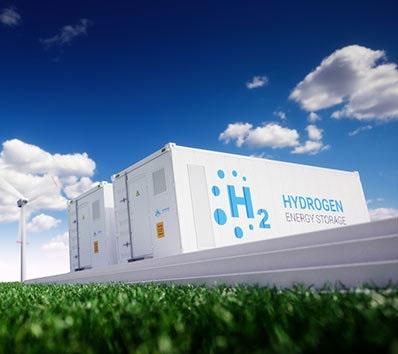
South Korea will support 1,000 businesses in the hydrogen industry over the next 20 years to develop a hydrogen-based ecosystem and economy.
Consequently, the country will help create at least 500 companies in hydrogen-related industries, such as cars and battery cells, by 2030, according to the Ministry of Trade, Industry, and Energy.
The Moon Jae-in administration has been phasing out from nuclear energy as it turns to hydrogen as an environment-friendly alternative.
The country will infuse 34 billion won in its efforts to encourage local businesses to focus on hydrogen as the new growth engine and make hydrogen more accessible to local firms and consumers.
Among the projects in its pipeline is the creation of five new production facilities that would utilize liquefied natural gas (LNG) in producing 7,400 tons of hydrogen annually.
South Korea is also targetting 850,000 hydrogen cars running in its streets in 2030, from the 7,000 in June, and would roll out subsidies for hydrogen-powered cargo trucks in 2021.
There would be 660 hydrogen charging stations by the year's end, a sharp increase from the 40 last month.







