


 North Korea Warns South Korea Over US-Led Defense Role
  Najib Razak Seeks Stay of 15-Year 1MDB Prison Sentence
  OpenAI Agent Breaches Australia Medicare Data Portal
  Trump Asks Supreme Court to Restore Third-Country Deportations
  Sudan Rejects US Legitimacy Remarks, Defends Sovereignty
  Judge Orders Trump to Restore White House Access for CNN, MS NOW and Politico
  Abbas Reaffirms November 28 Palestinian Elections
  US Senate Rejects Iran War Powers Resolution in 50-49 Vote
  Saudi Arabia, Turkey and Pakistan Plan Urgent Defence Talks Over Houthi Attacks
  France Defends Netanyahu Airspace Clearance Despite ICC Warrant
  Ghana Says Western Support Growing for Slave Trade Reparations
  NATO Boosts Intelligence Sharing Amid Russia Hybrid Threats
  South Korea, US Discuss Warship Building Cooperation
  Russian Missile and Drone Attack on Kyiv Kills Two, Damages Maternity Hospital
  Trump, Xi Focus on Trade and AI at White House Summit
  Pezeshkian Says US Must Choose When Iran War Ends
  North Korea Rejects Nuclear Test Warning, Calls Nuclear Status Irreversible


 Add as a preferred source on Google
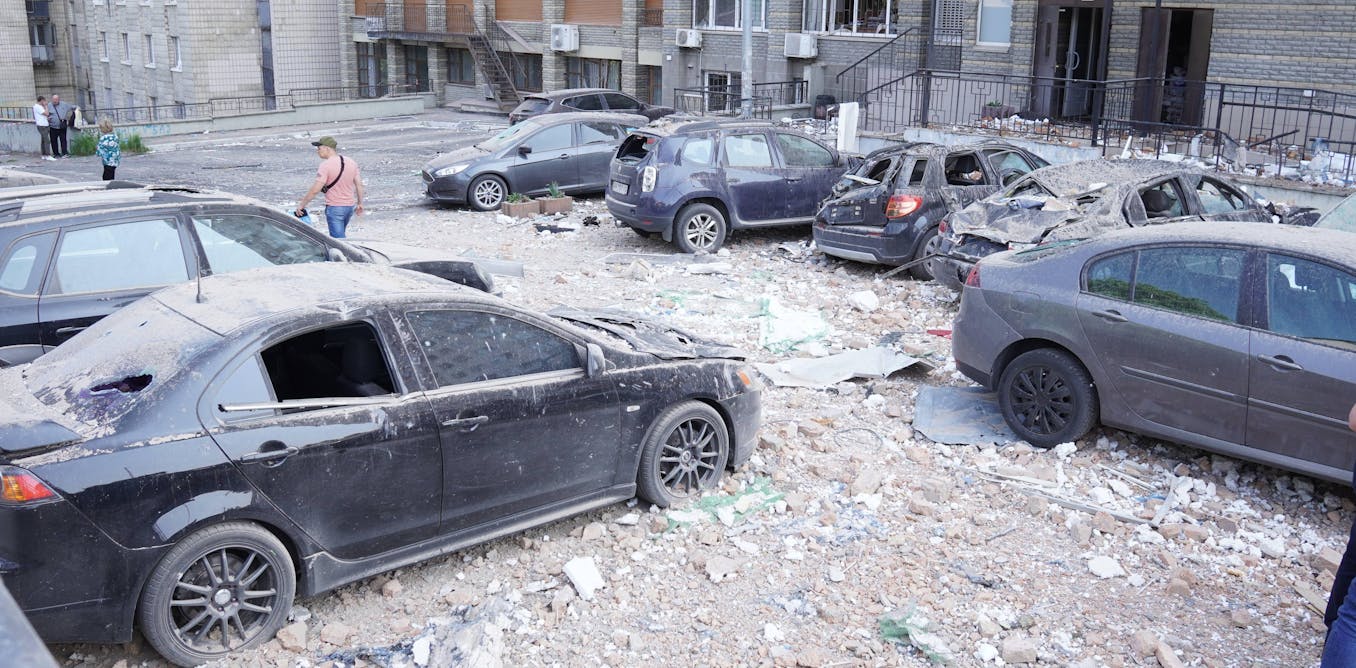
Russian forces launched renewed attacks on Ukraine’s two largest cities early Tuesday, intensifying the ongoing conflict and raising concerns over civilian safety and regional security. According to Ukrainian officials, missile strikes targeted the capital Kyiv and the northeastern city of Kharkiv, resulting in at least one death and several injuries.
In Kyiv, the head of the city’s military administration, Tymur Tkachenko, confirmed that Russian missiles were launched toward the capital during the early hours of the morning. Kyiv Mayor Vitali Klitschko reported that air defense systems were actively engaged in intercepting incoming threats. Residents across the city reported hearing multiple explosions, which were later confirmed by Reuters witnesses on the ground. While the blasts caused alarm among civilians, there was no immediate confirmation regarding casualties or the extent of damage to infrastructure in Kyiv at the time of reporting.
Meanwhile, Kharkiv, Ukraine’s second-largest city and a frequent target due to its proximity to the Russian border, suffered more severe consequences. Located approximately 30 kilometers (18 miles) from the border, Kharkiv has faced repeated attacks since the start of the war. Regional Governor Oleh Syniehubov stated that a Russian strike hit the outskirts of the city, killing one person. He also confirmed that three others were injured as a result of the attack. Emergency services were deployed to the affected areas to assist the wounded and assess damage to nearby residential and commercial structures.
These latest missile attacks underscore the continued intensity of the Russia-Ukraine war, as major urban centers remain under threat. Ukrainian authorities have repeatedly urged residents to heed air raid warnings and seek shelter when sirens sound. The strikes also highlight the ongoing strain on Ukraine’s air defense systems as the country works to protect its population and critical infrastructure.
As the conflict continues, international observers are closely monitoring developments, while calls for increased diplomatic efforts and humanitarian support persist. The situation remains fluid, with further updates expected as officials release more detailed assessments of the attacks and their aftermath.







