


 Fed Unveils Stablecoin Rules Under GENIUS Act
  Asian Stocks Fall as Bond Yields Surge Ahead of Trump-Xi Summit
  China’s ‘Lipstick King’ Says AI Won’t Replace Livestream Hosts
  Japanese Yen Rebounds as Trump Flags Currency Weakness
  US Stock Futures Fall as Treasury Yields Surge Ahead of Trump-Xi Summit
  U.S. Treasury Yields Surge as 30-Year Hits 22-Year High
  Oil Prices Jump 3% as Houthi Attack Revives Supply Fears
  Oil Prices Ease as Iran Tensions Clash With Diplomacy Hopes
  Trump, Xi Focus on Trade and AI at White House Summit
  European Stocks Fall as Bond Yields and Geopolitical Risks Weigh
  Australia Unemployment Hits Five-Year High Despite Strong Jobs Growth
  Japanese Bank Stocks Surge as Bond Yields Fuel Rate Hike Bets
  U.S. Dollar Hits Two-Month High as Oil, Treasury Yields Surge
  Asian Stocks Fall as Surging Bond Yields Rattle Markets
  Gold Prices Fall as Treasury Yields Rise on Fed Rate Hike Bets
  US Comfortable With Canada Trade Standoff as Import Bans Loom


 Add as a preferred source on Google
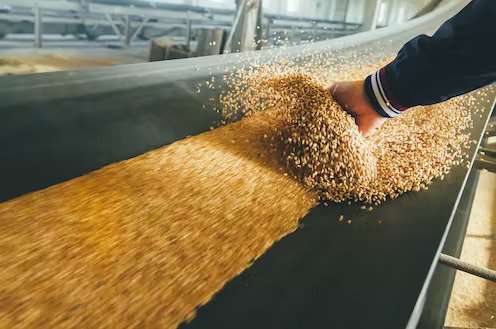
Russia is reviving old-fashioned barter trade as Western sanctions disrupt traditional financial channels. For the first time since the 1990s, Russian companies are swapping goods such as wheat, flax seeds, and metals for Chinese cars, building materials, and machinery. Analysts say this surge in barter reflects sanctions pressure, de-dollarisation, and liquidity challenges among Russia’s trading partners.
The United States, Europe, and allies have imposed more than 25,000 sanctions on Russia since its invasion of Ukraine in 2022 and the annexation of Crimea in 2014. Measures like disconnecting Russian banks from the SWIFT system and U.S. warnings to Chinese banks have fueled fears of secondary sanctions. As a result, Moscow’s economy ministry even issued a guide on barter transactions in 2024, encouraging businesses to bypass financial restrictions.
Reuters identified at least eight barter deals, including Chinese cars exchanged for Russian wheat and flax seeds swapped for consumer goods. Some transactions are small—one flax trade was worth around $100,000—while others may involve larger flows of metals and raw materials. Although official statistics remain opaque, discrepancies of up to $7 billion between central bank and customs data suggest barter activity is expanding.
Experts note that barter provides a workaround for settlement issues in Russia-China trade and may allow restricted Western goods to enter Russia indirectly. While the customs service insists barter is minor compared to total foreign trade, industry leaders predict its growth will continue.
Barter once caused chaos in post-Soviet Russia, but today it is a strategic tool to keep trade alive under sanctions. Alongside barter, businesses are also using payment agents, cryptocurrencies, and Russia’s VTB bank in Shanghai to complete cross-border deals. Despite recessionary pressures and high inflation, Moscow is determined to keep its economy moving—by any means necessary.







