


 Kremlin Says No Decision Yet on Putin-Trump December Summit
  Russian Missile and Drone Attack on Kyiv Kills Two, Damages Maternity Hospital
  Judge Orders Trump to Restore White House Access for CNN, MS NOW and Politico
  Taiwan Thanks US for Support Ahead of Trump-Xi Summit
  Yemen Violence Displaces 130,000 as Civilian Toll Rises
  Ghana Says Western Support Growing for Slave Trade Reparations
  US Invites Putin to Miami G20, Opening Door to Trump Summit
  NATO Boosts Intelligence Sharing Amid Russia Hybrid Threats
  OpenAI Agent Breaches Australia Medicare Data Portal
  US Officials Split Over Response to Israeli West Bank Settlements
  Sudan Rejects US Legitimacy Remarks, Defends Sovereignty
  North Korea Warns South Korea Over US-Led Defense Role
  Netanyahu’s Brief US Trip Highlights Strains With Trump
  South Korea, US Discuss Warship Building Cooperation
  North Korea Rejects Nuclear Test Warning, Calls Nuclear Status Irreversible
  Pezeshkian Says US Must Choose When Iran War Ends
  Mexico-US Trade Talks Delayed to October as Tariff Negotiations Continue


 Add as a preferred source on Google
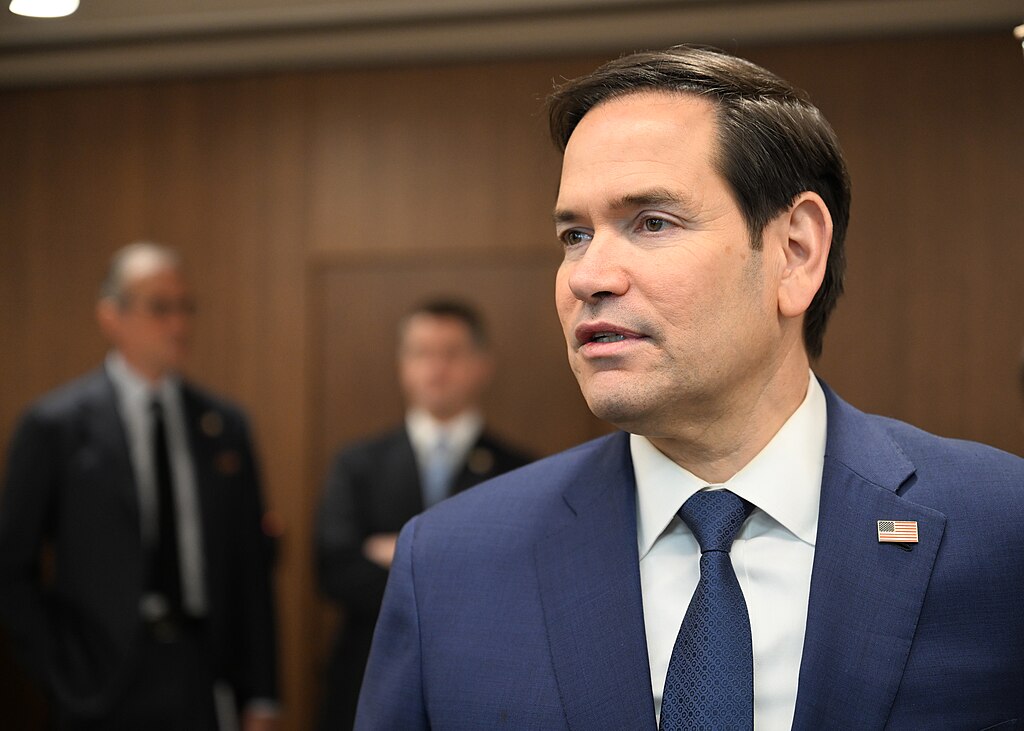
U.S. Secretary of State Marco Rubio called for stronger cooperation between the United States and Caribbean nations to combat criminal gangs and drug trafficking during a high-level meeting with CARICOM leaders in Saint Kitts and Nevis. His visit comes as regional governments voice growing concerns about the humanitarian and economic impact of Washington’s tightening restrictions on Cuba.
Addressing a closed-door session with the Caribbean Community (CARICOM), which represents 15 member states and five associate members, Rubio emphasized that the Trump administration is prioritizing the Western Hemisphere after years of limited engagement. He said the U.S. aims to build a “new dynamic” with Caribbean partners, focusing on shared security challenges, including transnational criminal organizations involved in narcotics trafficking.
Rubio acknowledged that many criminal groups operating in the Caribbean acquire weapons from the United States and pledged continued cooperation with U.S. law enforcement agencies to curb illegal arms flows. He also highlighted Washington’s tough stance on gangs in Haiti, signaling expanded regional security collaboration.
While Cuba was not directly mentioned in Rubio’s public remarks, the issue loomed large. The Trump administration has moved to restrict oil shipments to Cuba, intensifying pressure on the island following the January 3 ousting of Venezuelan President Nicolas Maduro, a key Cuban ally. However, the U.S. Treasury Department announced it would allow limited sales of Venezuelan oil to Cuba, provided transactions do not benefit the Cuban government or military. Officials described the move as support for the Cuban people, alongside a $9 million humanitarian aid package delivered through the Catholic Church.
Caribbean leaders, including Jamaica’s Prime Minister Andrew Holness and Saint Kitts and Nevis Prime Minister Terrance Drew, warned that prolonged instability in Cuba could trigger migration, security, and economic challenges across the region. They called for constructive dialogue between the United States and Cuba to prevent further destabilization and protect regional stability.







