


 China Agrees to Buy 20 Million Tons of U.S. Coal
  DaVoice Sues Perplexity AI Over Trade Secrets
  Jeff Bezos Invests $32 Billion in Blue Origin as Space Firm Targets Major Growth
  Oil Prices Fall on U.S.-Iran Hormuz Deal Hopes
  FDA Approves Mirum’s Atebrioz for Rare Bone Disorder FOP
  OpenAI, Anthropic CEOs Summoned to Australia AI Inquiry
  TSMC Accelerates 2nm Expansion as AI Chip Demand Surges
  SpaceXAI to Double Nvidia Chips at Colossus 2 by Year-End
  Tesla Semi Rollout Begins at Nevada Factory
  SMBC Eyes 20% VPBank Stake in Vietnam Expansion
  Wall Street Ends Flat as Oil, Treasury Yields and Fed Jitters Rattle Markets
  Europe’s AI Data Centre Boom Strengthens Case for Nuclear Power
  Soybean Futures Slip as Traders Await Trump-Xi Trade Signals
  Former OpenAI Data Center Chief Chris Malone Joins Nvidia
  Meta Found Liable in New Mexico Facebook Data Privacy Case
  U.S. Treasury Yields Surge as 30-Year Hits 22-Year High


 Add as a preferred source on Google
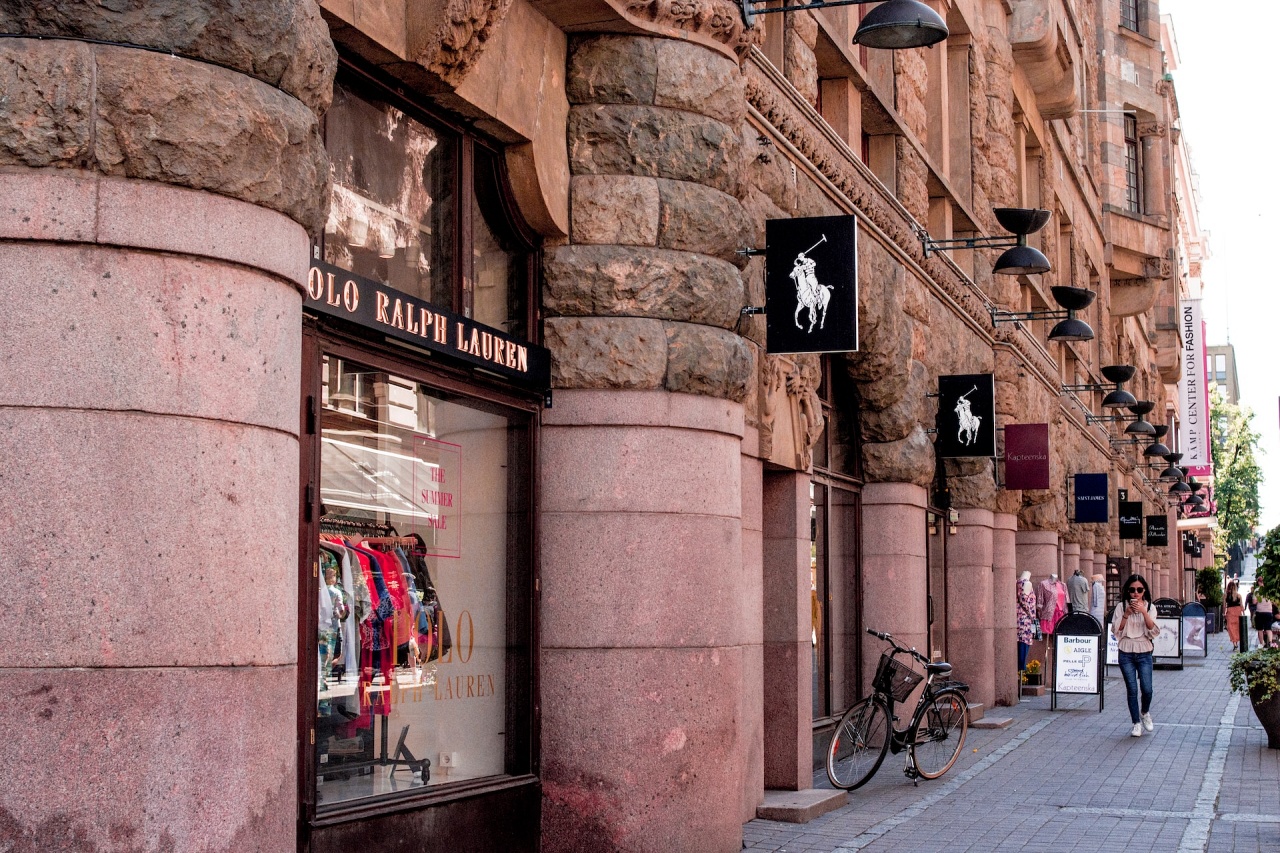
Polo Ralph Lauren and Tommy Hilfiger have reportedly blocked the IP addresses of their Korean customers to stop them from visiting their home web page. The fashion brands are said to have made the move to make Koreans buy goods from local outlets instead.
So far, only Ralph Lauren and Tommy Hilfiger have removed the access of Korean customers to their home IP addresses at this time. Officials in the fashion industry confirmed the ban on Wednesday, Aug. 9.
The Korea Times reported that many shoppers tend to buy directly from the brand's country of origin because the prices are lower, but for sellers of the items in different regions, this is disadvantageous for their business. This is because they will lose local buyers and yield little to no sales.
Thus, it is understandable why this practice of buying directly from the companies that made the products has become a problem for international fashion companies that are selling items on their Korea-based websites.
In any case, local shoppers found out that they were blocked from the websites of Ralph Lauren and Tommy Hilfiger when they are always being redirected back to Korean websites that are selling the brands' fashion products. Every time people try to visit the North American online stores of the brands, they are automatically brought to Korean-language stores.
One customer shared, "I used the American website to buy Ralph Lauren items during Black Fridays before. But now I get redirected to a Korean website whenever I try to connect to U.S. one. It's a shame that a global company like Ralph Lauren blocked local IPs."
Local customers said the situation is the same when they visit Tommy Hilfiger's U.S. website. They are being redirected to the label's website in Korea, which Handsome.com operates.
Finally, Hankyung News reported that the brands barred the Korean IPs so local customers would stick to buying products in their region. "It is at the discretion of the company to have different sales strategies for each country, but blocking access to the website itself can be seen as an act of limiting consumer choice," an official in the fashion sector said.
Photo by: Hayffield L/Unsplash







