


 Gold and Silver Prices Rebound After Volatile Week Triggered by Fed Nomination
  Dollar Near Two-Week High as Stock Rout, AI Concerns and Global Events Drive Market Volatility
  Vietnam’s Trade Surplus With US Jumps as Exports Surge and China Imports Hit Record
  Trump Signs Executive Order Threatening 25% Tariffs on Countries Trading With Iran
  Dollar Steadies Ahead of ECB and BoE Decisions as Markets Turn Risk-Off
  U.S.-India Trade Framework Signals Major Shift in Tariffs, Energy, and Supply Chains
  BOJ Policymakers Warn Weak Yen Could Fuel Inflation Risks and Delay Rate Action
  China Extends Gold Buying Streak as Reserves Surge Despite Volatile Prices
  Thailand Inflation Remains Negative for 10th Straight Month in January
  Trump Endorses Japan’s Sanae Takaichi Ahead of Crucial Election Amid Market and China Tensions
  Singapore Budget 2026 Set for Fiscal Prudence as Growth Remains Resilient
  RBA Expected to Raise Interest Rates by 25 Basis Points in February, ANZ Forecast Says
  South Africa Eyes ECB Repo Lines as Inflation Eases and Rate Cuts Loom
  Japanese Pharmaceutical Stocks Slide as TrumpRx.gov Launch Sparks Market Concerns


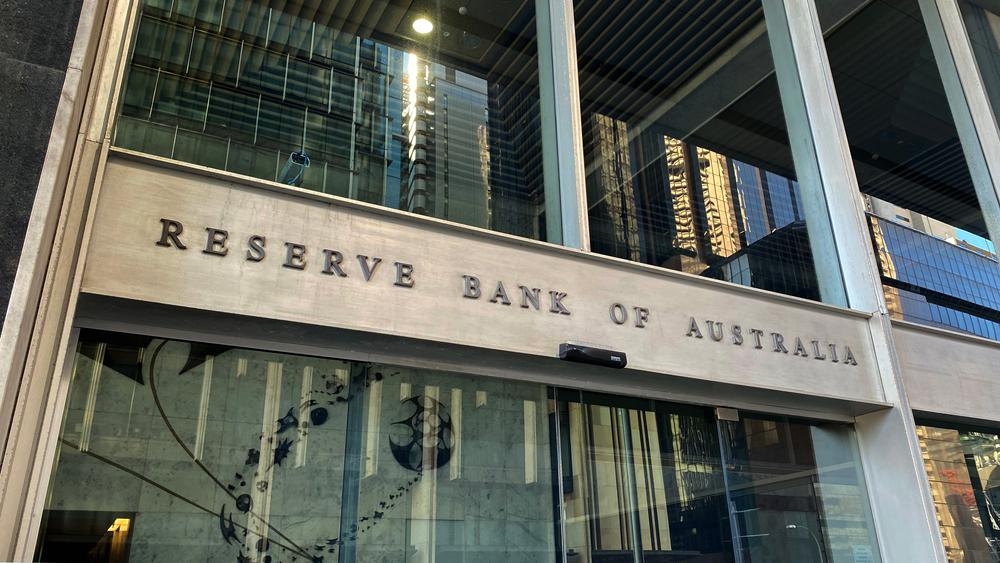
Australia’s central bank is taking a deeper look at several structural shifts in the economy as it reassesses future monetary policy moves. According to Sarah Hunter, assistant governor at the Reserve Bank of Australia (RBA), policymakers are closely examining changes in business pricing strategies, the nation’s supply capacity, and the effectiveness of monetary policy transmission in the current environment.
Hunter noted during an event in Sydney that the RBA remains “constantly curious” about how the economy is evolving beneath the surface. This renewed scrutiny follows an unexpected surge in inflation last quarter, which invalidated previous forecasts and tempered expectations for further rate cuts after three reductions earlier this year. With inflation remaining stubbornly high, the bank is questioning whether the current cash rate of 3.6% is sufficiently restrictive to guide inflation back into its 2–3% target range.
One major focus for the RBA is whether companies have shifted their price-setting behavior after the COVID-19 pandemic. Businesses may be reacting differently to cost pressures and consumer demand compared to pre-pandemic norms, potentially complicating inflation forecasting.
The second area under examination is the economy’s supply capacity. This includes evaluating how close Australia is to full employment and determining whether labor market conditions are contributing to inflationary pressures. Understanding the true limits of supply is crucial for policymakers trying to balance economic growth with price stability.
The final issue concerns the transmission channels of monetary policy. Hunter highlighted that the housing market has responded more strongly than expected to recent rate cuts, raising questions about how effectively higher or lower interest rates influence broader economic activity compared to previous cycles.
As the RBA navigates these uncertainties, its analysis of shifting behaviors and economic dynamics will play a key role in shaping upcoming decisions on interest rates and future policy settings.













