


 Silver Prices Plunge in Asian Trade as Dollar Strength Triggers Fresh Precious Metals Sell-Off
  Global Markets Slide as AI, Crypto, and Precious Metals Face Heightened Volatility
  Jerome Powell Attends Supreme Court Hearing on Trump Effort to Fire Fed Governor, Calling It Historic
  Trump Lifts 25% Tariff on Indian Goods in Strategic U.S.–India Trade and Energy Deal
  Bank of Japan Signals Readiness for Near-Term Rate Hike as Inflation Nears Target
  U.S.-India Trade Framework Signals Major Shift in Tariffs, Energy, and Supply Chains
  South Korea’s Weak Won Struggles as Retail Investors Pour Money Into U.S. Stocks
  Trump Signs Executive Order Threatening 25% Tariffs on Countries Trading With Iran
  Japanese Pharmaceutical Stocks Slide as TrumpRx.gov Launch Sparks Market Concerns
  Why Trump’s new pick for Fed chair hit gold and silver markets – for good reasons
  Bank of England Expected to Hold Interest Rates at 3.75% as Inflation Remains Elevated
  China Extends Gold Buying Streak as Reserves Surge Despite Volatile Prices


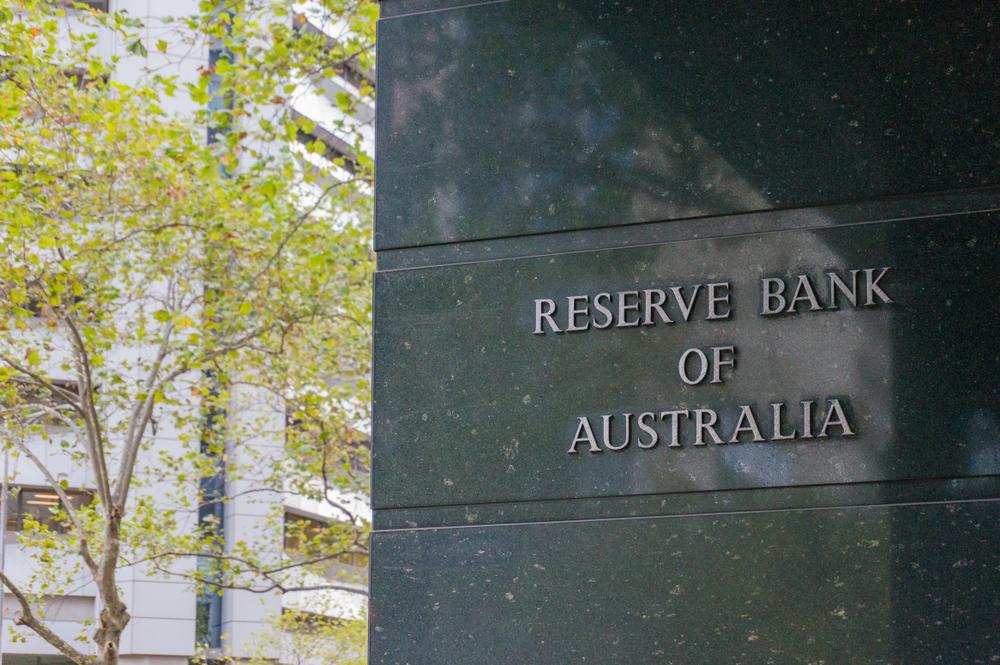
Australia’s monetary policy is facing a unique challenge as the economy continues to recover with demand still exceeding potential output, leaving little room for the Reserve Bank of Australia (RBA) to loosen policy further. In a speech at a UBS conference in Sydney, RBA Deputy Governor Andrew Hauser said that demand was “slightly above potential output” when GDP growth began to accelerate last year — marking the tightest recovery since the early 1980s. This situation, he noted, limits how much the economy can expand without fueling inflation.
Hauser emphasized that while strong demand signals robust business activity and job creation, it also complicates policy decisions. “That can still be consistent with bringing inflation back to target over the medium term,” he said. “But achieving that goal will require policy to be restrictive enough to keep shrinking the gap over that period.” The RBA maintained its cash rate at 3.6% last week amid rising inflation, resilient consumer spending, and a rebounding housing market, prompting policymakers to pause further easing after three consecutive cuts earlier this year.
The central bank now expects inflation to remain above its 2–3% target until at least mid-2026, citing persistent capacity constraints in the economy. Economists from Commonwealth Bank of Australia and HSBC have urged the RBA to end its current easing cycle, while financial markets anticipate only one more rate cut by mid-next year. Hauser also stressed the need to boost productivity and investment to expand supply and avoid inflationary pressures. “If we fail to do so, we may find ourselves boxed in on the rail. If we succeed, we could be off to the races,” he concluded.













