


 Oil Prices Jump 3% as Houthi Attack Revives Supply Fears
  US Stock Futures Fall as Treasury Yields Surge Ahead of Trump-Xi Summit
  Oil Prices Surge as U.S.-Iran Diplomacy Hopes Fade
  Soybean Futures Slip as Traders Await Trump-Xi Trade Signals
  Russian Envoy Dmitriev Heads to US for Ukraine Talks
  U.S. Treasury Yields Surge as 30-Year Hits 22-Year High
  U.S. 10-Year Treasury Yield Hits 2007 High as Fed Rate Hike Bets Rise
  Oil Prices Ease as Iran Tensions Clash With Diplomacy Hopes
  South Korea, US Discuss Warship Building Cooperation
  China’s ‘Lipstick King’ Says AI Won’t Replace Livestream Hosts
  Trump, Xi Focus on Trade and AI at White House Summit
  Gold Prices Fall as Treasury Yields Rise on Fed Rate Hike Bets
  Fed Unveils Stablecoin Rules Under GENIUS Act
  Fed Unveils Stablecoin Rules Under GENIUS Act
  Japan Private-Sector Growth Slows as Domestic Demand Weakens
  Australia Unemployment Hits Five-Year High Despite Strong Jobs Growth
  Wall Street Ends Flat as Oil, Treasury Yields and Fed Jitters Rattle Markets


 Add as a preferred source on Google
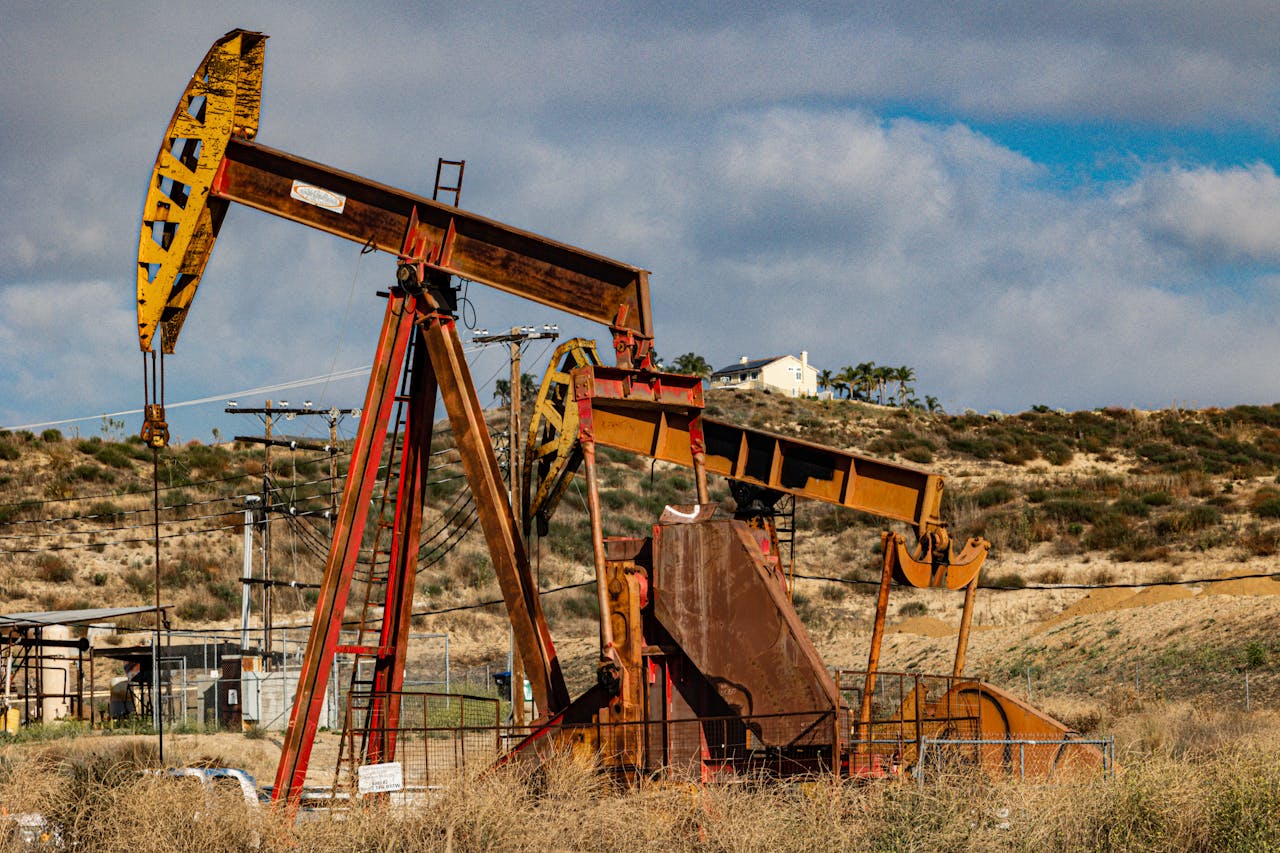
Oil prices jumped sharply in early Asian trading on Monday after the United States and Israel launched coordinated military strikes against Iran, significantly escalating geopolitical tensions in the Middle East. The sudden conflict has increased concerns over global oil supply disruptions, pushing Brent crude futures up by as much as 13% at the open to $82 per barrel before trimming gains.
Energy markets quickly priced in a higher geopolitical risk premium as reports confirmed that the weekend attacks killed hundreds, including Iran’s Supreme Leader Ayatollah Ali Khamenei and several senior officials. In response, Iran launched missile strikes targeting Israel and multiple U.S.-aligned nations in the region, including Bahrain, Kuwait, Qatar, and the United Arab Emirates. The widening conflict has intensified fears of broader instability across key oil-producing countries.
Traders are particularly focused on the Strait of Hormuz, a critical shipping route that handles nearly 20% of global oil consumption. Iranian forces were reportedly seen attacking commercial vessels and oil tankers moving through the strategic waterway, raising the likelihood of near-term supply disruptions. Analysts at ANZ noted that the escalation, especially attacks on oil tankers, has significantly increased the threat to global crude supplies.
Despite mounting tensions, the Organization of the Petroleum Exporting Countries and its allies (OPEC+) agreed during a Sunday meeting to increase oil production by 206,000 barrels per day. The output hike could help offset potential supply losses stemming from the U.S.-Iran conflict, although markets remain cautious about whether the additional barrels will be enough to stabilize prices.
U.S. President Donald Trump stated that military operations against Iran are expected to continue in the coming days and warned that further American casualties are possible. As the geopolitical crisis deepens, oil market volatility is likely to persist, keeping investors closely watching developments in the Middle East and their impact on global energy prices.







