


 IMF Maintains 2027 Global Growth Forecast at 3.4% Amid Rising Risks
  Trump Secures Russian Diesel Deal as US Fuel Prices Surge
  RBI Uses $10 Billion Currency Swaps to Drain Excess Rupee Liquidity
  Asian Stocks Plunge as AI Chip Selloff Hits South Korea and Japan
  Fed Unveils Stablecoin Rules Under GENIUS Act
  Gold Prices Rebound as Dollar Weakens Ahead of US Inflation Data
  Wall Street Ends Mixed as Investors Await CPI and Bank Earnings
  European Stocks Rise as Oil Prices Fall Ahead of US CPI
  Gold Prices Rise Above $4,200 as Russia-Ukraine Energy Truce Eases Oil Concerns


 Add as a preferred source on Google
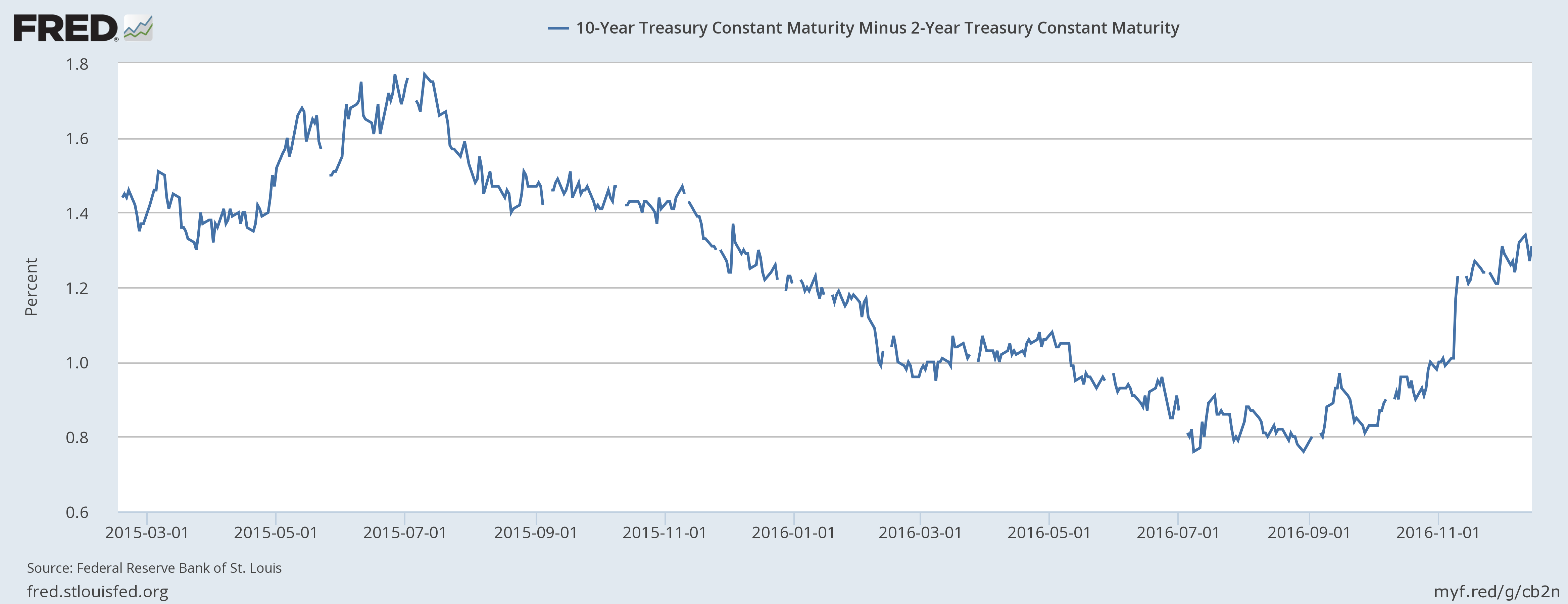
As inflation expectations rise globally, the US Federal Reserve is expected to hike rates at a faster pace next year. Last week, FOMC forecasted 3 rate hikes, compared to just one each in previous two years. Then why the governments are still able to sell bonds at negative rates? Last Friday, the United Kingdom for the first time sold bonds at negative rates. The government was able to borrow £1 billion at minus 0.1038 percent. The negative bond universe is squeezed but still close to $10.8 trillion. In August, this universe was as big as $13 trillion.
Part of the answer lies with Quantitative Easing. Several major central banks around the world are still pursuing quantitative easing. The European Central Bank (ECB) earlier this month announced a further purchase of €540 billion bonds till December 2017, once the current program expires in March 2017. Not only that, the ECB announced that it would now purchase below the deposit rate, which is at -0.4 percent. Since the ECB announcement, German 2-year yield has been declining to record low and currently trading at -0.8 percent.
With rising inflation expectation globally, the market is and will return to the very fundamental that the central banks can control the short term rates but have hardly any control over the longer end of the curve, which gets determined by a variety of factors in the economy. The spread between the US 2-year and 10-year treasury has jumped by 56 basis points since September to 1.32 percent.







