


 Canada, US Hold Constructive Trade Talks as Tariff Negotiations Continue
  Zelensky Urges Faster NATO Action on Air Defense Missiles
  Senate Majority Leader John Thune Moves to Advance Crypto Clarity Act
  Iran-Oman Near Strait of Hormuz Deal as Shipping Tensions Persist
  Taiwan President Lai Oversees Coastal Strike Drills in Han Kuang War Games
  North Korea May Deploy 120 Missiles to Russia
  Mark Carney Jokes About Teleprompter, Takes Swipe at Trump
  SEC Moves to Dismiss Insider Trading Case Against Trump-Pardoned Terren Peizer
  Ukraine Agrees to Protect Kazakhstan Oil Exports via Black Sea
  Colombia President Abelardo De La Espriella Pledges Drug Crackdown, Economic Reforms
  Germany Warns of Daily Hybrid Warfare Threats
  Russia Intensifies Drone and Bomb Attacks on Ukraine’s Zaporizhzhia, Deepening Civilian Fear
  Rubio, UK’s Miliband Stress Stronger European Security Role in Washington Talks
  US-Backed Venezuela Government, Opposition Talks Begin
  U.S. Unseals Charges Against Five Alleged CJNG Leaders, Raises Reward for New Cartel Chief
  New Zealand MMP Electoral System Faces Fresh Referendum Debate
  Joe Biden’s Prostate Cancer Has Spread Further, Hunter Biden Says


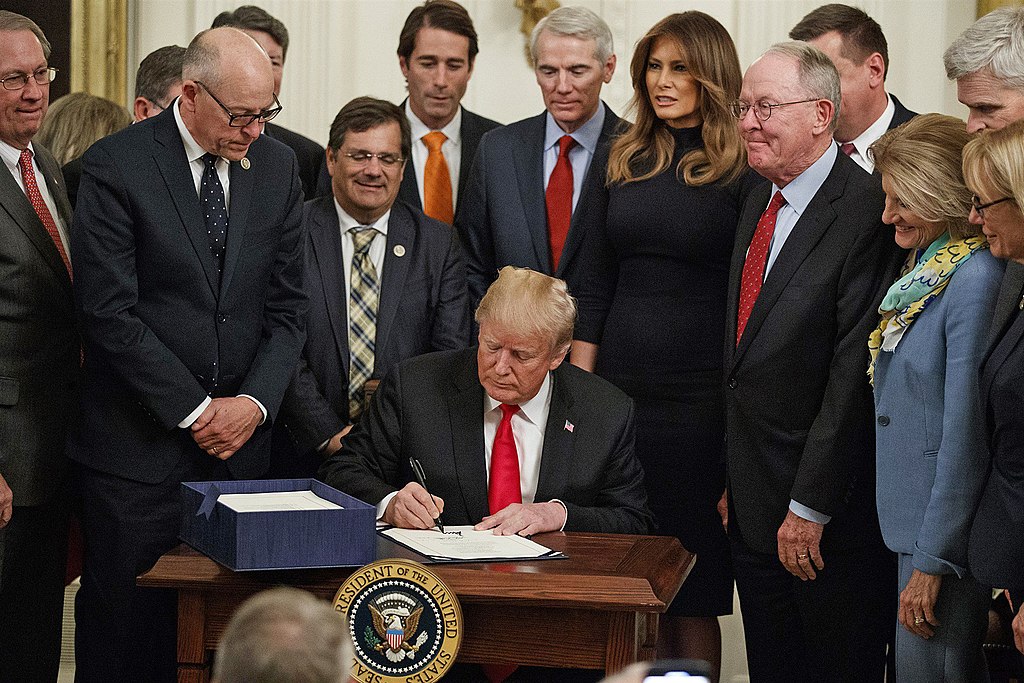
A third of Americans reportedly agree with former President Donald Trump’s inflammatory remarks that undocumented immigrants "poison the blood" of the United States. A recent poll conducted by the Brookings Institution and Public Religion Research Institute (PRRI) highlights the deep divide in public sentiment over immigration in the U.S., with Trump's controversial rhetoric still resonating strongly with millions.
Poll Reveals Shocking Support for Trump’s Claims
The poll, which surveyed thousands of Americans, found that 33% of respondents agreed with Trump’s statement that undocumented immigrants "poison the blood" of the country. These remarks, made during his latest campaign rallies, have reignited national debates about immigration, race, and America’s demographic future.
Trump, who has made tough immigration policies a centerpiece of his political career, has long claimed that undocumented immigrants bring crime and instability, further fueling his calls for border security. However, this recent phrasing, referring to immigrants as "poison," has taken his rhetoric to a new level of harshness—one that many critics have denounced as dangerously xenophobic.
Divisive Language and Its Appeal
Despite the backlash, the Brookings Institution’s findings suggest that Trump's remarks are far from a fringe opinion. The study shows a growing number of Americans believe that immigration poses a significant threat to the nation's identity and social fabric. For many who side with Trump, his stark language reflects their fears about changing demographics, economic instability, and cultural shifts.
The poll also indicated that Trump’s support remains solid among certain voter blocs, particularly among conservative and older white Americans. His critics, however, argue that this kind of language only serves to deepen divisions, promoting fear and misunderstanding rather than constructive dialogue on immigration reform.
Critics Warn of Dangerous Rhetoric
Immigration advocates and human rights groups have condemned Trump’s statements, with many warning that such rhetoric could incite violence and hatred. “This language is reckless and unacceptable,” said a spokesperson for the American Civil Liberties Union (ACLU). “To describe immigrants in such dehumanizing terms only serves to fuel xenophobia and bigotry in this country.”
The Brookings and PRRI study also revealed that the percentage of Americans agreeing with Trump’s harsh language has increased since his first presidential run in 2016. This rise suggests that Trump's influence on shaping the national discourse on immigration remains powerful, even as he continues his campaign for the 2024 election.
Immigration Remains a Hot-Button Issue
As the 2024 election approaches, the issue of immigration is once again taking center stage. Trump’s hardline stance has pushed other candidates to address the subject, often with equally divisive rhetoric. Critics warn that as public debate grows more heated, the potential for real immigration reform may be overshadowed by fearmongering and extremism.
Trump’s controversial remarks, and the strong support they have garnered, are clear indicators that immigration will continue to be one of the most polarizing issues in American politics.







