


 U.S. Stock Futures Edge Higher as Tech Rout Deepens on AI Concerns and Earnings
  BOJ Rate Decision in Focus as Yen Weakness and Inflation Shape Market Outlook
  Dollar Near Two-Week High as Stock Rout, AI Concerns and Global Events Drive Market Volatility
  Bank of Japan Signals Cautious Path Toward Further Rate Hikes Amid Yen Weakness
  China Extends Gold Buying Streak as Reserves Surge Despite Volatile Prices
  Gold and Silver Prices Slide as Dollar Strength and Easing Tensions Weigh on Metals
  U.S.-India Trade Framework Signals Major Shift in Tariffs, Energy, and Supply Chains
  U.S. Stock Futures Slide as Tech Rout Deepens on Amazon Capex Shock
  Vietnam’s Trade Surplus With US Jumps as Exports Surge and China Imports Hit Record
  Oil Prices Slip as U.S.–Iran Talks Ease Supply Disruption Fears
  Dow Hits 50,000 as U.S. Stocks Stage Strong Rebound Amid AI Volatility
  Trump Lifts 25% Tariff on Indian Goods in Strategic U.S.–India Trade and Energy Deal
  Bank of Canada Holds Interest Rate at 2.25% Amid Trade and Global Uncertainty


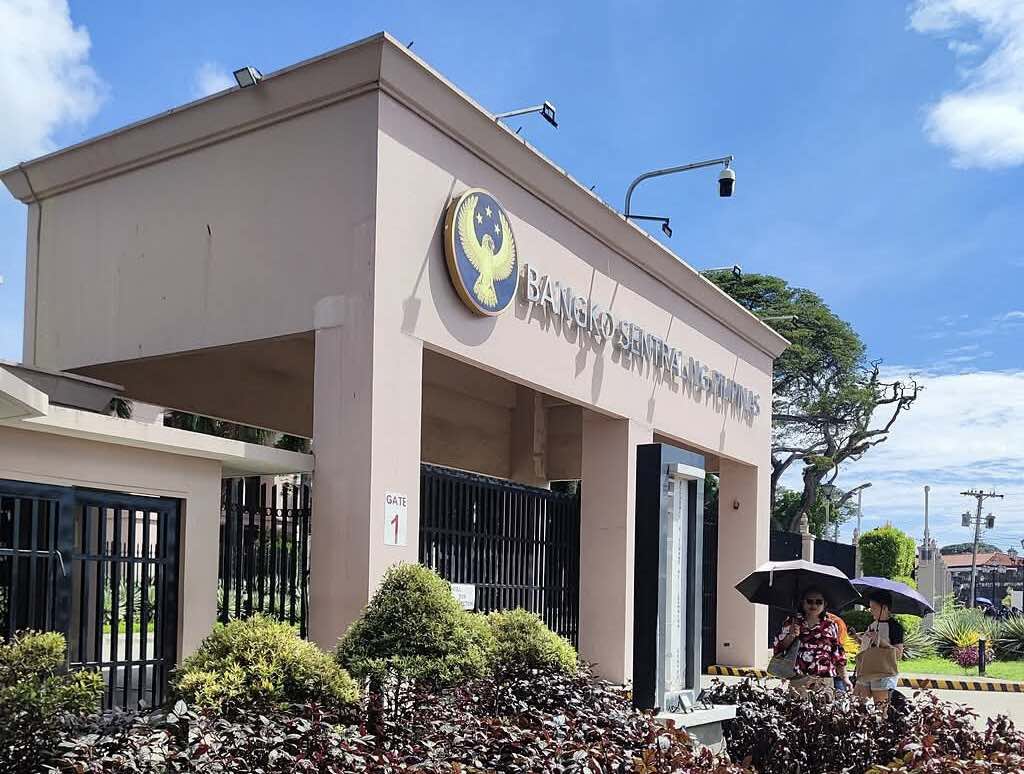
The Philippines recorded a $2 billion balance of payments (BOP) deficit in March 2025, reversing a $3.1 billion surplus in February, according to the Bangko Sentral ng Pilipinas (BSP). This shift pushed the country’s cumulative BOP position for the first quarter to a $3 billion deficit.
The BOP summarizes the country’s economic transactions with the rest of the world, including trade, investments, and remittances. A deficit indicates that more dollars flowed out of the country than came in during the period. The March deficit suggests increased foreign currency outflows, possibly due to import payments, debt servicing, or capital repatriation.
Despite the weak first-quarter performance, the BSP maintains its forecast of a $2.1 billion surplus for the full year 2025. This optimism likely reflects expectations of stronger exports, higher remittance inflows, and improved foreign direct investment later in the year.
Analysts note that the BOP outlook remains sensitive to global economic conditions, oil price volatility, and interest rate trends in the U.S. and other major economies. Sustained BOP deficits could pressure the Philippine peso and reduce the country’s foreign reserves, potentially impacting investor confidence and monetary policy decisions.
The central bank continues to monitor external developments closely and has reiterated its commitment to maintaining financial stability. The BOP report is a key economic indicator watched by investors, credit agencies, and policymakers to gauge the country's external sector health.
As of now, the government is navigating a delicate balancing act—supporting domestic growth while managing external vulnerabilities. Whether the Philippines can swing back to a BOP surplus by year-end remains to be seen.













