


 Australia Unemployment Hits Five-Year High Despite Strong Jobs Growth
  European Stocks Fall as Bond Yields and Geopolitical Risks Weigh
  U.S. Treasury Yields Surge as 30-Year Hits 22-Year High
  Xi Calls for Deeper U.S.-China AI Cooperation in Trump Talks
  Ghana Says Western Support Growing for Slave Trade Reparations
  Judge Orders Trump to Restore White House Access for CNN, MS NOW and Politico
  Russian Missile and Drone Attack on Kyiv Kills Two, Damages Maternity Hospital
  Netanyahu Defends Israel at UN as Delegates Stage Walkout
  Fed Unveils Stablecoin Rules Under GENIUS Act
  Sudan Rejects US Legitimacy Remarks, Defends Sovereignty
  US Stock Futures Fall as Treasury Yields Surge Ahead of Trump-Xi Summit
  China’s ‘Lipstick King’ Says AI Won’t Replace Livestream Hosts
  US Senate Rejects Iran War Powers Resolution in 50-49 Vote
  Trump Asks Supreme Court to Restore Third-Country Deportations
  France Defends Netanyahu Airspace Clearance Despite ICC Warrant
  NATO Boosts Intelligence Sharing Amid Russia Hybrid Threats
  RBI Uses $10 Billion Currency Swaps to Drain Excess Rupee Liquidity


 Add as a preferred source on Google
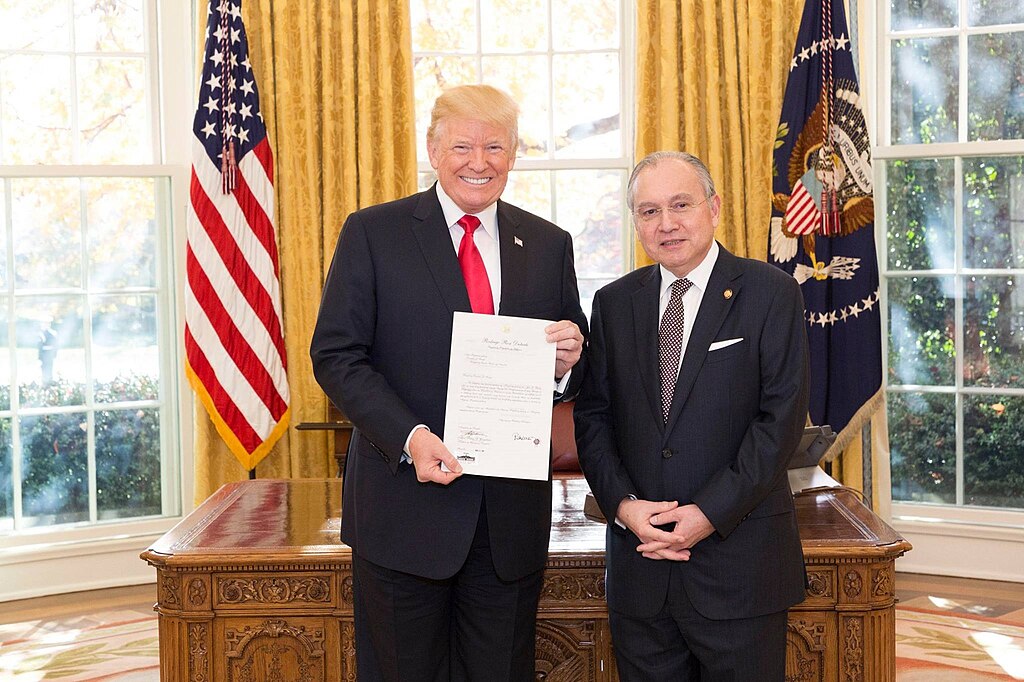
The Philippines is seeking to negotiate lower tariffs with the United States after Washington imposed a 20% duty on imports from Manila, up from the previously proposed 17%. Philippine Ambassador to the U.S. Jose Manuel Romualdez confirmed the planned negotiations, stating in a message, "We are still planning to negotiate that down," without specifying a target rate.
The increased tariffs, announced by U.S. President Donald Trump in an August 1 notice, affect several trading partners including the Philippines. The decision comes amid rising trade tensions and a broader reassessment of American trade policies.
Bilateral trade between the U.S. and the Philippines reached an estimated $23.5 billion in 2024, according to the Office of the United States Trade Representative. U.S. exports to the Philippines totaled $9.3 billion, showing a modest 0.4% increase from 2023. Meanwhile, Philippine exports to the U.S. surged 6.9% to $14.2 billion, resulting in a $4.9 billion trade deficit for the United States—up 21.8% from the previous year.
The hike in tariffs could impact major Philippine exports such as electronics, machinery, and agricultural products. While the Philippine government has yet to issue an official statement, the country appears poised to enter formal discussions aimed at reducing the newly imposed duties.
As trade relations between the two long-standing allies face new challenges, analysts say the outcome of the negotiations could significantly affect bilateral economic ties, especially given the growing importance of Southeast Asia in global trade dynamics.
The Philippines' attempt to ease U.S. tariffs comes at a time when both nations are strengthening security and diplomatic ties, highlighting the broader stakes of this economic dispute.







