


 Oil Prices Ease as Iran Tensions Clash With Diplomacy Hopes
  US Stock Futures Fall as Treasury Yields Surge Ahead of Trump-Xi Summit
  Canadian Dollar Faces Pressure as Fed-BoC Policy Gap Widens
  Mexico-US Trade Talks Delayed to October as Tariff Negotiations Continue
  Dollar Falls as Oil Eases, Yen Jumps on Intervention Signals
  Oil Prices Jump 3% as Houthi Attack Revives Supply Fears
  Asian Stocks Fall as Surging Bond Yields Rattle Markets
  Japan Private-Sector Growth Slows as Domestic Demand Weakens
  European Stocks Fall as Bond Yields and Geopolitical Risks Weigh
  Soybean Futures Slip as Traders Await Trump-Xi Trade Signals
  Asian Currencies Mixed as Dollar Holds Near Two-Month High
  Trump, Xi Focus on Trade and AI at White House Summit
  Dollar Holds Near Two-Month High as Yen Approaches 160
  U.S. Treasury Yields Surge as 30-Year Hits 22-Year High
  Fed Unveils Stablecoin Rules Under GENIUS Act
  Gold Prices Fall as Treasury Yields Rise on Fed Rate Hike Bets
  Asian Stocks Fall as Bond Yields Surge Ahead of Trump-Xi Summit


 Add as a preferred source on Google
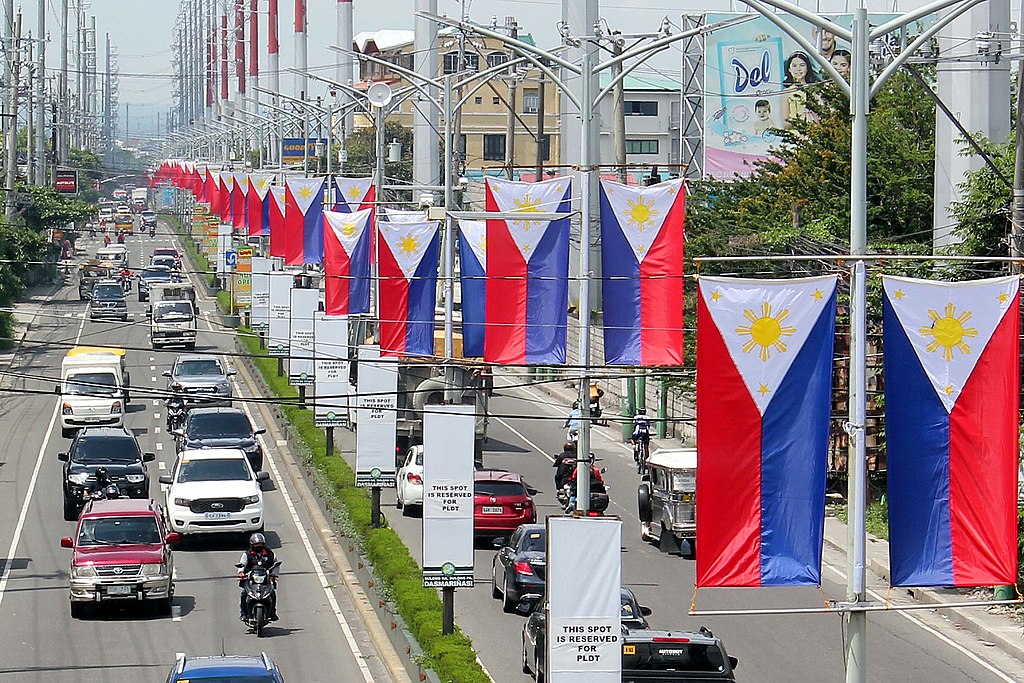
The Philippine economy expanded by 4.0% in the third quarter of 2025 compared to the same period last year, according to official data released on Friday. This marks a significant slowdown from the 5.5% growth recorded in the previous quarter and fell short of the 5.2% growth forecasted by economists in a Reuters poll. The latest figure represents the country’s weakest annual growth since the first quarter of 2021, when the economy contracted due to the pandemic’s lingering effects.
On a seasonally adjusted basis, the economy grew by 0.4% from the previous quarter, also missing the median estimate of 0.8% in the same Reuters survey. The disappointing figures highlight the challenges the Philippines continues to face amid global economic uncertainty, high inflation, and tighter monetary policy conditions. Analysts noted that household consumption, a major growth driver for the country, has been weighed down by rising prices and slower wage growth, limiting domestic demand.
Despite the softer expansion, government officials remain optimistic about recovery prospects in the coming months. They cited ongoing public infrastructure projects, foreign investment inflows, and improving export performance as potential catalysts for growth. However, economists warn that maintaining momentum will require targeted fiscal measures and continued efforts to manage inflationary pressures while sustaining investor confidence.
The weaker-than-expected growth performance may prompt policymakers to reassess current economic strategies, particularly in balancing growth and inflation control. As the Philippines moves toward the year-end, economic planners face the challenge of stimulating demand without jeopardizing price stability, especially amid global volatility and a stronger U.S. dollar.
With the economy showing signs of resilience but struggling to regain full momentum, the coming quarters will be critical in determining whether the Philippines can meet its 2025 growth targets and strengthen its recovery path.







