


 Meta Partners With Shopify to Bring Shop Pay Checkout to Muse AI
  DOJ Will Investigate AI-Related Crimes, Attorney General Blanche Says
  Burnham Eyes UK Leadership Role in AI Ahead of Trump Meeting
  Who should own the knowledge that underpins AI technology?
  AI is supercharging money scams – here’s what you can do to protect yourself
  Meta CEO Zuckerberg Backs Independent AI Safety Reviews Over Development Slowdown
  China Reviews Broadcom Switch Use in State Data Centres
  Scott Bessent Eyed as Trump’s New AI Czar
  Nvidia CEO Jensen Huang Expected at Trump-Xi State Dinner
  Cathie Wood Backs AI Slowdown as Safety Concerns Grow
  SoftBank Launches $11 Billion Bond Sale to Fund OpenAI Investment
  SpaceX Nasdaq 100 Weight to More Than Double in Rebalance
  Hyundai CEO Warns Chinese Automakers Could Disrupt US Market
  Japan, U.S. Discuss $19 Billion GlobalFoundries Chip Plant
  OpenAI Urges US-Led Global Standards for Frontier AI
  Physicists zoom into the birth of cosmic rainstorms with new CERN study
  US Northeast Airports Resume Operations After Telecom Outage Disrupts Thousands of Flights


 Add as a preferred source on Google
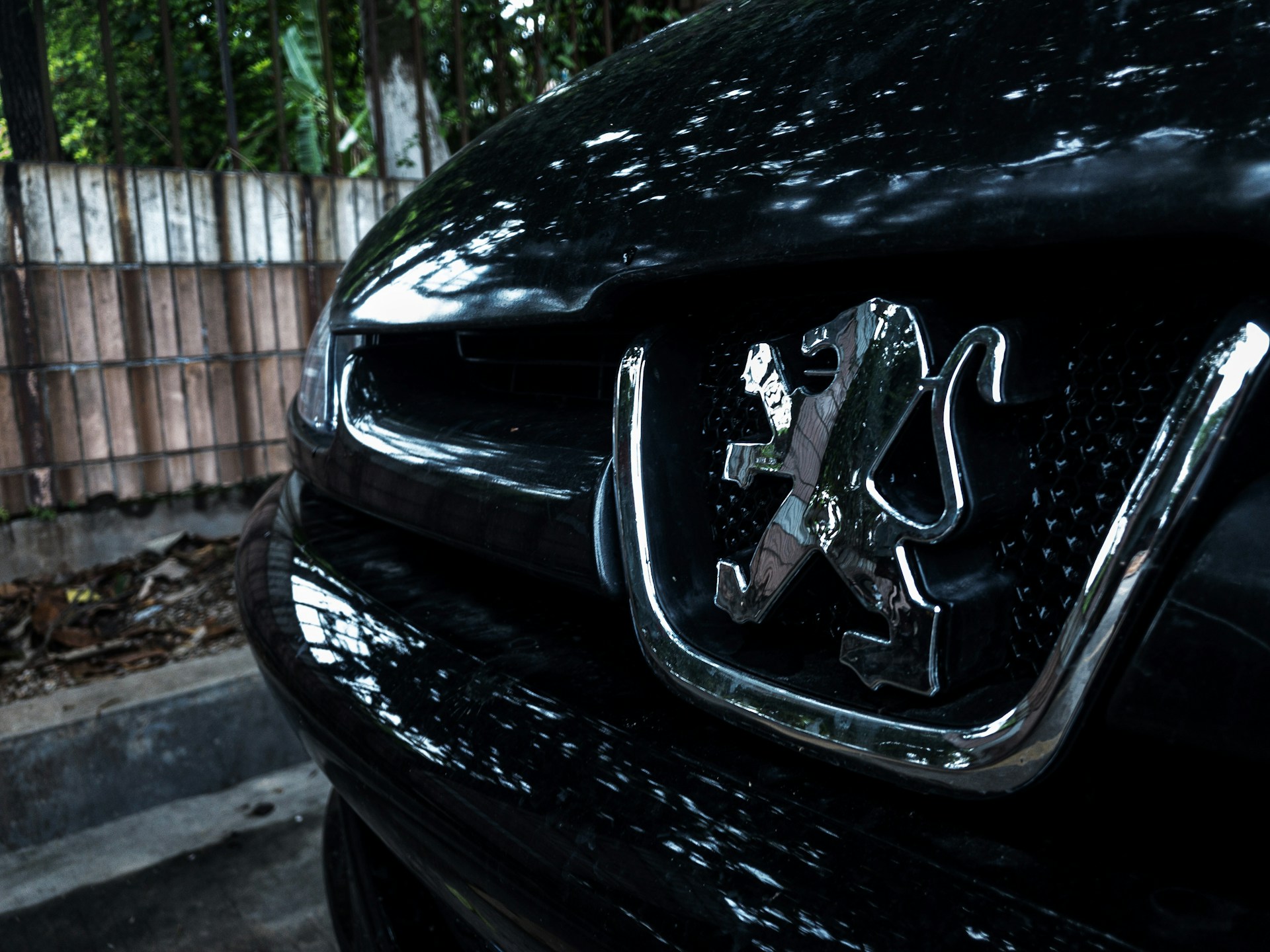
Stellantis opens new tab Peugeot intends to employ ChatGPT to improve the voice assistant in its cars and vans, the French firm announced on Tuesday, following rivals such as Volkswagen and Mercedes-Benz in utilizing the popular artificial intelligence chatbot.
Stellantis' Peugeot Automobiles Will Employ ChatGPT To Speak With Drivers
Peugeot will debut a test version of the ChatGPT service, which can link to vehicle controls and answer various general or navigation-related queries, in five nations on Wednesday: France, the United Kingdom, Germany, Italy, and Spain. The service is set to become standard equipment this year.
Last year, Mercedes-Benz opened a new tab and began a trial in the United States allowing drivers to use ChatGPT, claiming it would help them offer more natural responses and deal with inquiries ranging from route specifics to meal recommendations, as per Reuters.
Volkswagen announced earlier this month that ChatGPT would be included in its voice assistant by mid-year to allow for interactive communication with drivers.
Peugeot also announced a new eight-year warranty for the e-3008, up from the normal two-year warranty on its automobiles, in an effort to entice more drivers to switch to electric vehicles.
Volkswagen Vehicles Will Communicate With Drivers Using ChatGPT By Mid-year
To recall, Volkswagen launched a new tab voice assistant that integrates ChatGPT into its vehicles. By the middle of the year, the assistant will be able to communicate with customers in a back-and-forth discussion.
At the CES electronics trade show, Volkswagen unveiled its first vehicles with ChatGPT. These will be available to customers in North America and Europe in the early second quarter of this year.
According to executives from Volkswagen and Cerence, who partnered with Volkswagen on the technology, the AI can recognize and respond to a range of demands, from raising the temperature when it hears "I'm feeling cold" to showing the nearest Indian restaurant when it hears "I want butter chicken."
Customers may now alter vehicle functions without touching a button, according to Kai Gruenitz, a Volkswagen brand board member for technical development, who spoke to Reuters on the sidelines of the CES trade fair.
Critics argue that while adding generative AI to vehicles is a step forward from current interactions, it falls well short of the AI leap predicted a few years ago, particularly with completely autonomous vehicles. Automobile manufacturers disagree.
Volkswagen claimed to be the first volume manufacturer to include the technology as standard in its compact category vehicles. In March, General Motors said that it was developing a virtual personal assistant using the AI models behind ChatGPT.
In June, Mercedes-Benz conducted a pilot program in which about 900,000 vehicles equipped with the automaker's "MBUX" system were able to download ChatGPT. The goal was to allow users to make movie or restaurant reservations while driving.







