


 DOJ Will Investigate AI-Related Crimes, Attorney General Blanche Says
  Big AI wants to slow down AI research. Is it a safety pause or a strategic retreat?
  Qualcomm Gains on $60B Amazon AI Chip Deal
  SpaceX Nasdaq 100 Weight to More Than Double in Rebalance
  Meta Partners With Shopify to Bring Shop Pay Checkout to Muse AI
  Meta CEO Zuckerberg Backs Independent AI Safety Reviews Over Development Slowdown
  Cathie Wood Backs AI Slowdown as Safety Concerns Grow
  Burnham Eyes UK Leadership Role in AI Ahead of Trump Meeting
  MediaTek Unveils 2nm Dimensity 9600 Pro AI Chip
  US Northeast Airports Resume Operations After Telecom Outage Disrupts Thousands of Flights
  Who should own the knowledge that underpins AI technology?
  France Urges Faster AI Push Despite Safety Risks
  US Federal Register Drops Alibaba Qwen AI Search Tool
  Rosenblatt Starts Nokia at Buy on AI Networking Growth
  Apple Pay Set for India Launch With Axis Bank
  OpenAI Urges US-Led Global Standards for Frontier AI
  SK Hynix, Intel Discuss U.S. Memory Chip Production Deal


 Add as a preferred source on Google
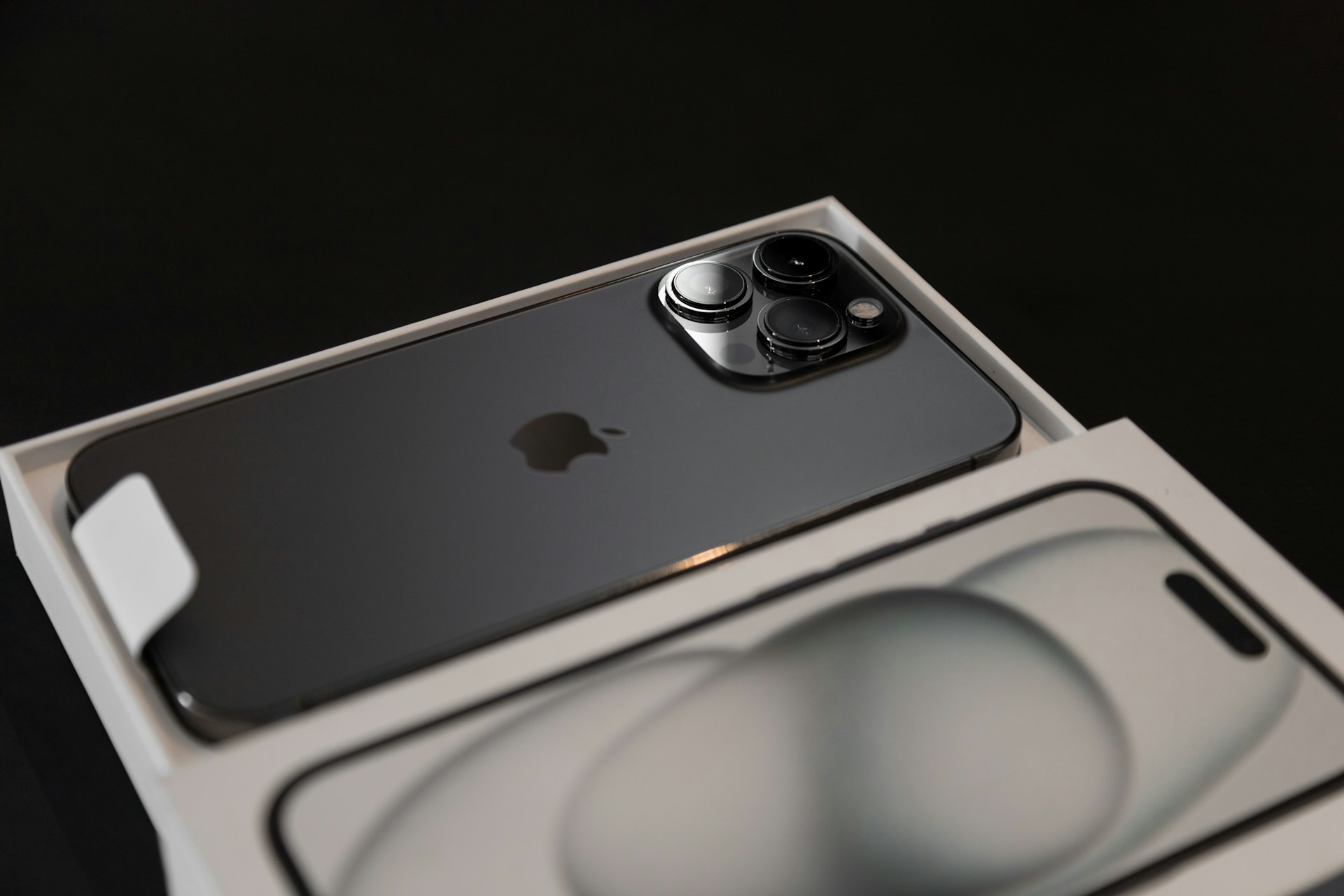
Apple is preparing the A18 for its future iPhone 16 series, but a fresh report cites an A18 Pro, implying that the company is constructing a slightly more powerful version specifically for the iPhone 16 Pro and iPhone 16 Pro Max.
The new A-series SoC looks to have started testing early since leaked Geekbench 6 scores show it outperforming Apple's M3, M3 Pro, and M3 Max in single-core performance. Unfortunately, the multi-threaded performance creates a dull image, at least for the time being.
Apple's A18 Pro Has Slower Multi-core Performance Than Snapdragon 8 Gen 4A
When we compare Apple's single-core results for the M3, it scored 3,076 points in Geekbench 6, with no difference from the M3 Pro and M3 Max in the same test. With the A18 Pro, @negativeonehero posted on X that the future silicon has a single-core score of 3,500, making it approximately 14% faster than the entire M3 line.
Apple has always had an advantage in this category, and while the gap has shrunk significantly in multi-threaded tests, the company has remained the unchallenged leader in single-core performance. Even when compared to the purported Snapdragon 8 Gen 4 ratings given by the same tipster, Qualcomm's forthcoming flagship processor received a score of 2,845, putting the A18 Pro 23 percent ahead.
Unfortunately, Geekbench 6's multi-core reveals the limitations of Apple's second-generation 3nm processor, which is only rumored to score 8,200 points, making the Snapdragon 8 Gen 4 29 percent faster. However, keep in mind that Apple will very certainly retain a 6-core CPU divided across two performance and four efficiency cores.
Balancing Performance and Power: The Snapdragon 8 Gen 4's Journey to Efficiency
The Snapdragon 8 Gen 4 is believed to have a “2 + 6” CPU cluster, and with Qualcomm not implementing efficiency cores this year, its new SoC will definitely achieve greater multi-core ratings, as per WCCFTech. Of course, as most of you are aware, performance is only one side of the equation, and without knowing the power consumption of each chipset, we cannot predict how power-efficient they will be.
Fortunately, we've learned several times that the A18 Pro and Snapdragon 8 Gen 4 will be mass-produced using TSMC's 3nm "N3E" technology, so power consumption should be comparable, at least on paper. Regardless, the tipster stated in his article that these numbers came too soon, implying that the A18 Pro is still in its early testing stages. With each passing month, we may see a more true portrayal of its performance, so stay tuned for future updates.
Photo: Rohan/Unsplash







