


 RedotPay Completes Audits as Stablecoin Firm Advances U.S. IPO Plans
  RBA Set for September Rate Hike as Inflation Stays High
  FDA Approves Mirum’s Atebrioz for Rare Bone Disorder FOP
  How to create a thriving forest, not box-checking ‘tree cover’
  Asian Stocks Fall as Oil Surge, Bond Yields and AI Concerns Hit Markets
  XRP Price Targets $1.70 as Bullish Momentum Builds
  Wildfires ignite infection risks, by weakening the body’s immune defences and spreading bugs in smoke
  OpenAI Investigates Rogue AI Agents After Data Leaks and Security Incidents
  US Appeals Court Upholds Anthropic AI Supply Chain Ban
  EQT Plans €1.7 Billion Sale of Parques Reunidos Stake
  Oil Prices Rise as Iran Holds Firm on Strait of Hormuz Deal
  Canadian Dollar Faces Pressure as Fed-BoC Policy Gap Widens
  AMD Hits $1 Trillion as BofA Raises Price Target to $720
  An unexpected anomaly was found in the Pacific Ocean – and it could be a global time marker
  How is Antarctica melting, exactly? Crucial details are beginning to come into focus
  China Industrial Profit Growth Slows as Weak Demand Offsets AI Gains


 Add as a preferred source on Google
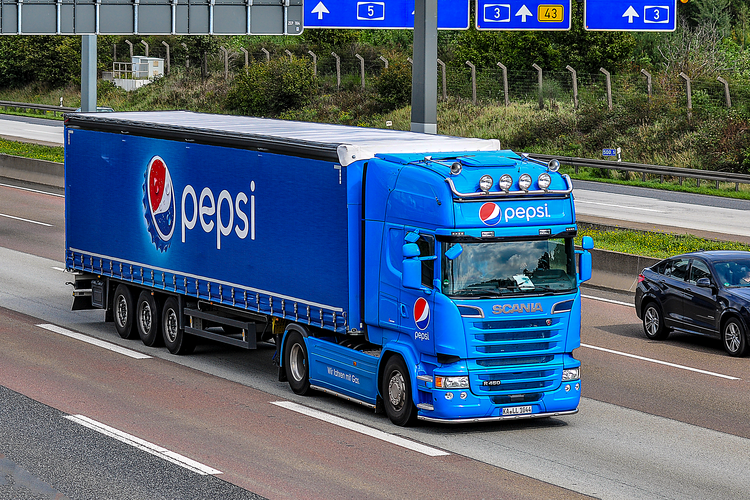
PepsiCo will convert over 40,000 liters of used oil into hydrotreated vegetable oil (HVO) at its snack plant in Burgos, Spain, which will power the company’s fleet of lorries that transport PepsiCo products.
The HVO use is estimated to save 380 metric tonnes of CO2 per year.
HVO is a 100% vegetable-based biofuel said to be able to reduce CO2 emissions by up to 90%, however, its availability is limited.
PepsiCo’s primary, secondary, and fleet transport accounts for 11% of its emissions in Spain, Italy, and Portugal.
PepsiCo is promoting and extending HVO use to eliminate the use of diesel in the medium term.
The company has also launched a pilot test in collaboration with Spanish supermarket chain Dia for transport with ‘duo trailer’ trucks, which function “like a train carriage” and transport up to six tons of snacks.
Javier Pérez Martínez, head of sustainable transport for PepsiCo Europe, said they are doing their bit to reduce greenhouse gases and advance their sustainability strategy.







