


 Trump Administration Plans Deportation of Iranian Migrants to Central African Republic Under New Third-Country Deal
  U.S. Launches Trade Investigation Into Germany’s Pharmaceutical Cost-Cutting Plans
  US Waives Iran Sanctions for 60 Days as Peace Talks Advance and Lebanon Sees Calm
  US Military Strike on Suspected Drug Trafficking Vessel Leaves Two Dead in Caribbean
  UNAIDS Urges U.S. to Reconsider South Africa HIV Funding Withdrawal
  Crimea Power Outage After Ukrainian Drone Attack, Russian Authorities Say
  Los Angeles World Cup Security Plans: No ICE Immigration Enforcement at FIFA 2026 Matches, Officials Say
  US Sanctions Cuban President Miguel Diaz-Canel and Key Officials Amid Rising Tensions
  Meta Challenges Australia’s Proposed Tech Tax, Citing U.S. Trade Agreement Concerns
  Russian Air Strikes Injure Six Across Ukraine as Kyiv Issues Air Raid Alert
  Andy Burnham Emerges as Favorite After Keir Starmer Resigns
  Marco Rubio Says U.S. Will Block IRGC-Linked Individuals From Iran World Cup Delegation
  US Urges Europe to Impose Ebola Travel Restrictions Ahead of FIFA World Cup 2026
  Peru Election Dispute Deepens as Roberto Sanchez Rejects Runoff Results
  US Tightens AI Chip Export Rules, Impacting Nvidia and AMD Sales to Chinese Firms


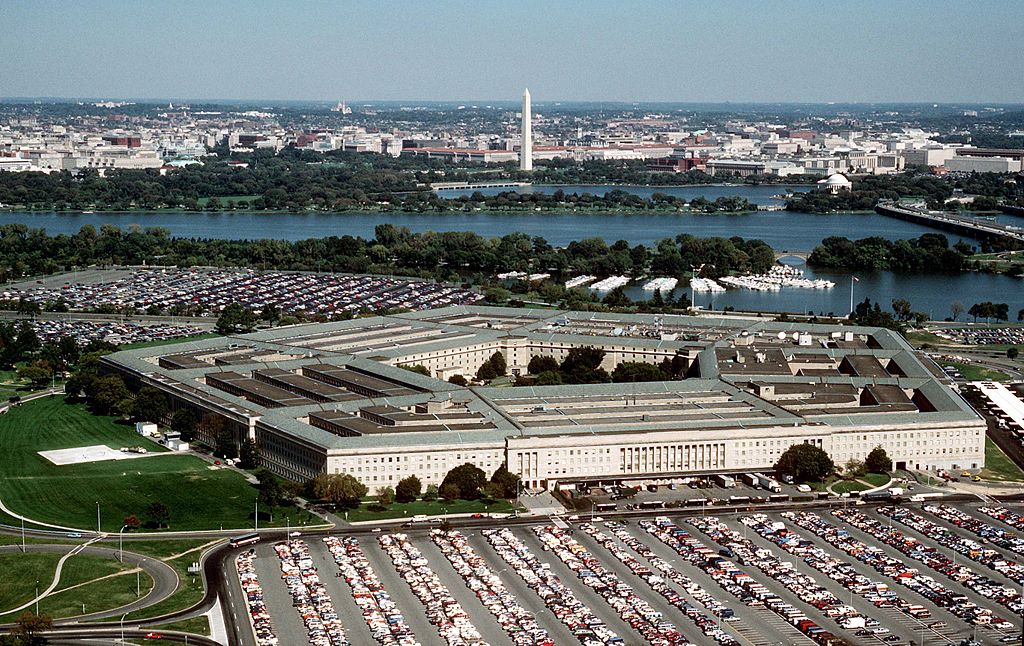
Dozens of journalists covering the U.S. Defense Department vacated their Pentagon offices this week after new restrictions on media access took effect, marking a major shift in how reporters interact with the military. The Defense Department imposed a deadline for outlets to sign a new Pentagon access policy or lose credentials and workspace privileges. At least 30 organizations—including Reuters—refused to comply, calling the policy a threat to press freedom and transparency.
The updated rules require journalists to acknowledge that they could be labeled as security risks and have their credentials revoked if they seek information—classified or certain types of unclassified—from Pentagon employees. The Pentagon Press Association, representing over 100 outlets, condemned the move as “a dark day for press freedom,” warning that it undermines public accountability and free speech.
Chief Pentagon spokesperson Sean Parnell defended the policy, saying it only requires acknowledgment, not agreement. “This has caused reporters to have a full-blown meltdown,” he said, insisting the policy protects troops and national security.
Reporters described the Pentagon’s press area as eerily quiet on Wednesday as teams dismantled offices and removed equipment. Veteran journalist JJ Green from WTOP noted he had “never seen that place not buzzing like a beehive.” Others, like Defense News’ Stephen Losey, stressed that reporters have always respected classified boundaries.
Despite the restrictions, many journalists vowed to continue reporting on U.S. military affairs. One Pentagon Press Association member noted the irony of the policy, saying, “We’re not discussing controlled information in hallways—we’re doing it over encrypted apps like Signal.”
The new rules reflect growing tension between the Pentagon and the press under Defense Secretary Pete Hegseth, a former Fox News host—whose own network has also refused to sign the policy.







