


 Trump Weighs FBI Probe Into Nolan Wells’ Death
  US-Led Coalition Targets Global Factory Overcapacity
  Lula Weighs Alckmin as Finance Minister to Boost Fiscal Credibility
  Merz Warns of Extremism After AfD Gains Power in Saxony-Anhalt
  Saudi Arabia Probes Flydubai Cockpit Attack
  JD Vance Says Iran Must Cut Nuclear Enrichment to End War
  Mike Rogers Calls for End to US-Canada Tariff War
  Trump Rallies in Texas as Republicans Face Tight Midterm Races
  Trump Says He Deserves 2026 Nobel Peace Prize Despite Uncertain Chances
  Maduro, Wife May Face New US Torture Charges
  Iran Tanker Attacks Surge as Hormuz Oil Flows Near Prewar Levels
  Trump Envoy Meets Sudan Army Chief in Egypt
  Tsai Warns of China’s Sustained Pressure on Taiwan
  US, Greece Launch New Counterterrorism Security Program
  Saudi Airport Attacks Kill Three as Yemen Fighting Escalates
  Russia Targets Danish Ukraine Suppliers in Sabotage Campaign
  US Pressures Allies to Distance From Anti-Disinformation Conference


 Add as a preferred source on Google
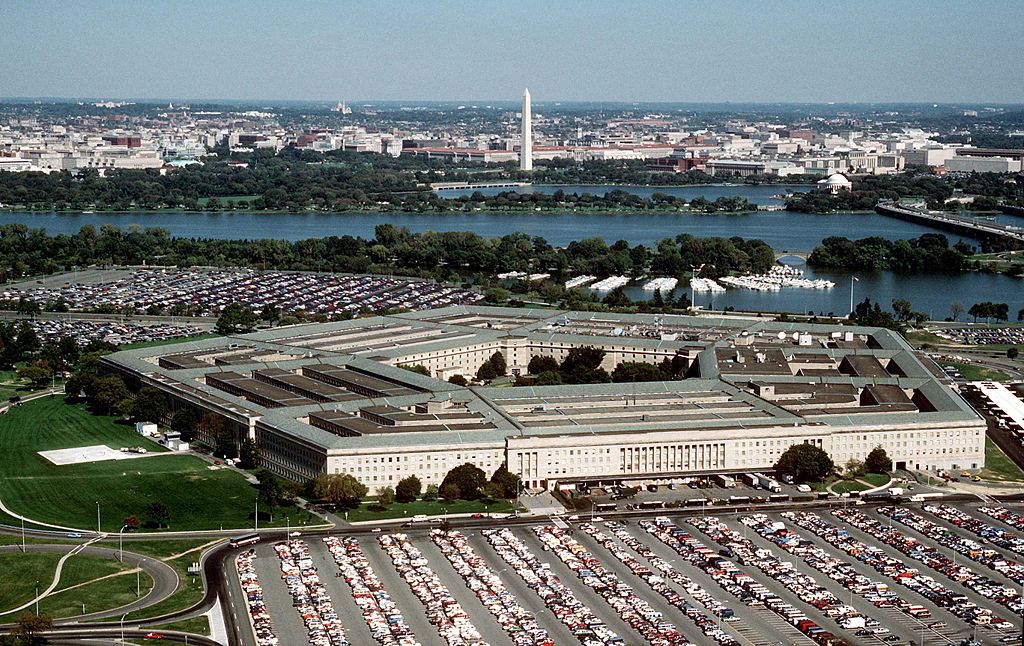
The Pentagon has directed U.S. Central Command (CENTCOM) to finalize preparations for a potential new military offensive against Iran, raising concerns about another escalation in the Middle East conflict, Axios reported Wednesday, citing American officials.
The order signals that Washington is preparing for the possibility of renewed large-scale combat operations. However, no specific timeline has been established for potential U.S. strikes, and President Donald Trump has not reached a final decision on whether to authorize military action.
According to the Axios report, U.S. and Israeli officials believe another round of military operations against Iran could take place before the November 3 U.S. midterm elections. However, officials currently consider that scenario unlikely, with the probability of renewed strikes expected to increase significantly after the elections.
If Washington proceeds with another military campaign, the operation could involve coordinated U.S. and Israeli attacks targeting Iran's energy facilities, critical infrastructure and nuclear installations. Such strikes could further intensify regional instability and raise concerns about global energy supplies.
The latest developments come as diplomatic efforts to resolve the confrontation between Washington and Tehran remain stalled.
Trump and Israeli Prime Minister Benjamin Netanyahu held another telephone conversation on Wednesday, marking their second discussion within several days. Meanwhile, senior Israeli security officials also conducted consultations focused on Iran and the potential implications of further military action.
Diplomatic negotiations facilitated by Qatar have reportedly produced limited progress. Iranian authorities have yet to respond to a U.S. counterproposal demanding concessions related to Tehran's nuclear program, leaving significant differences between the two sides unresolved.
The lack of diplomatic breakthroughs has increased uncertainty surrounding the direction of U.S.-Iran relations, particularly as Washington evaluates its military options alongside ongoing negotiations.
A renewed U.S.-Israeli offensive could have substantial consequences for Middle East security, international oil markets and diplomatic efforts to prevent a wider regional conflict.
For now, the Pentagon's directive reflects military contingency planning rather than confirmation of an imminent attack. The ultimate decision remains with Trump, whose administration continues to weigh the potential risks and strategic consequences of restarting major combat operations against Iran.







