


 Trump Opens Tax-Exempt Dyed Diesel Access as Fuel Prices Surge
  Flavio Bolsonaro Surges as Family Scores Brazil Election Comeback
  Asian Currencies Steady as Dollar Holds Near 18-Month High
  US DOT Ends Airline Privacy Review Without Enforcement
  Trump Plans Diesel Tax Relief as Fuel Prices Hit Record Highs
  Ukraine to Intensify Strikes on Russian Oil Refineries
  US Army Tests Counter-Drone Technology Along Mexico Border
  Zelenskiy Warns Russia Is Preparing Massive Attack on Ukraine
  S&P 500 Hits Record High as AI Rally Lifts Wall Street
  Europe EV Sales Hit Record as Affordable Models Boost Demand
  Trump Offers US Help to Russia After Plague Lab Worker Dies
  Lula Weighs Alckmin as Finance Minister to Boost Fiscal Credibility
  Hong Kong Stocks Slip as Property, Financial Shares Weigh
  France Student Protests Intensify Nationwide
  New York Declares Measles Disaster Emergency as Cases Surge
  Cuba Says US Contacts Continue but Formal Talks Remain Stalled
  Ukraine Faces $56 Billion Budget Gap as War Costs Soar


 Add as a preferred source on Google
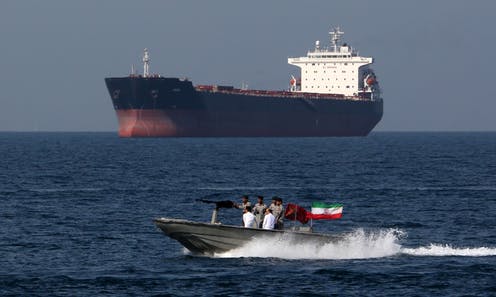
Iran has intensified attacks on tankers in the Strait of Hormuz even as oil shipments through the crucial waterway recover toward levels seen before the war, raising fresh concerns over Middle East energy security.
UK Maritime Trade Operations has reported nine attacks in the Strait of Hormuz so far this month, already equal to half the total recorded during September across both Hormuz and the Persian Gulf. September’s tally included four incidents during the final two days of the month, highlighting the recent acceleration in maritime attacks.
Tankers have faced periodic strikes throughout the Iran war, although the impact on crude shipments has varied. Previous attacks temporarily disrupted traffic, but stronger flows in subsequent days often compensated for the losses.
Maritime security officials and shipping executives remain uncertain whether the latest escalation will significantly reduce oil shipments through Hormuz. The potential impact on seaborne natural gas flows, which have also increased in recent weeks, remains unclear.
The renewed attacks come as major consuming countries move to ease pressure on global energy markets. Several nations announced plans last week to release millions of barrels from emergency oil reserves. US President Donald Trump is also considering measures aimed at lowering domestic fuel prices ahead of the midterm elections.
Most tankers traveling through the Strait of Hormuz use a shipping corridor close to Oman. Many vessels switch off their digital tracking signals while crossing the waterway, leaving traders and analysts dependent on satellite imagery and other shipping data to estimate energy flows.
Despite security risks, oil shipments through Hormuz have steadily recovered since early summer. Some Wall Street banks said last week that volumes were approaching prewar levels, while leading commodity traders at the Energy Intelligence Forum in London estimated Middle East flows at roughly 80% of their prewar rate.
The recovery in supply helped push Brent crude back below $100 a barrel, although prices were recently trading near $101.
The Strait of Hormuz remains one of the world’s most important energy routes, making any sustained disruption to oil or natural gas shipments a major risk for global prices, particularly as the Northern Hemisphere approaches winter.







