


 Flavio Bolsonaro Surges as Family Scores Brazil Election Comeback
  France to Release 10 Million Barrels of Diesel to Ease Fuel Prices
  JD Vance Says Iran Must Cut Nuclear Enrichment to End War
  US-Led Coalition Targets Global Factory Overcapacity
  North Korea Slams US Taiwan Arms Sales, Reaffirms Russia Support
  Trump Orders Firing Squad Execution for Fort Hood Gunman
  Trump Backs Florida Golf Course as Presidential Retreat
  Rapidus Seeks Chip Customers as Japan Pushes 2nm Semiconductor Revival
  Houthis Strike Aden Airport as Yemen Fighting Escalates
  Zelenskiy Warns Russia Is Preparing Massive Attack on Ukraine
  US-Taiwan Ties Remain Strong as Taipei Urges Timely Arms Deliveries
  Saudi Arabia Probes Flydubai Cockpit Attack
  US, Greece Launch New Counterterrorism Security Program
  Trump Gaza Peace Plan Stalls as Israel Retains Control
  Lula Weighs Alckmin as Finance Minister to Boost Fiscal Credibility
  Vance Demands Iran Cut Nuclear Enrichment to End War
  Iran Tanker Attacks Surge as Hormuz Oil Flows Near Prewar Levels


 Add as a preferred source on Google
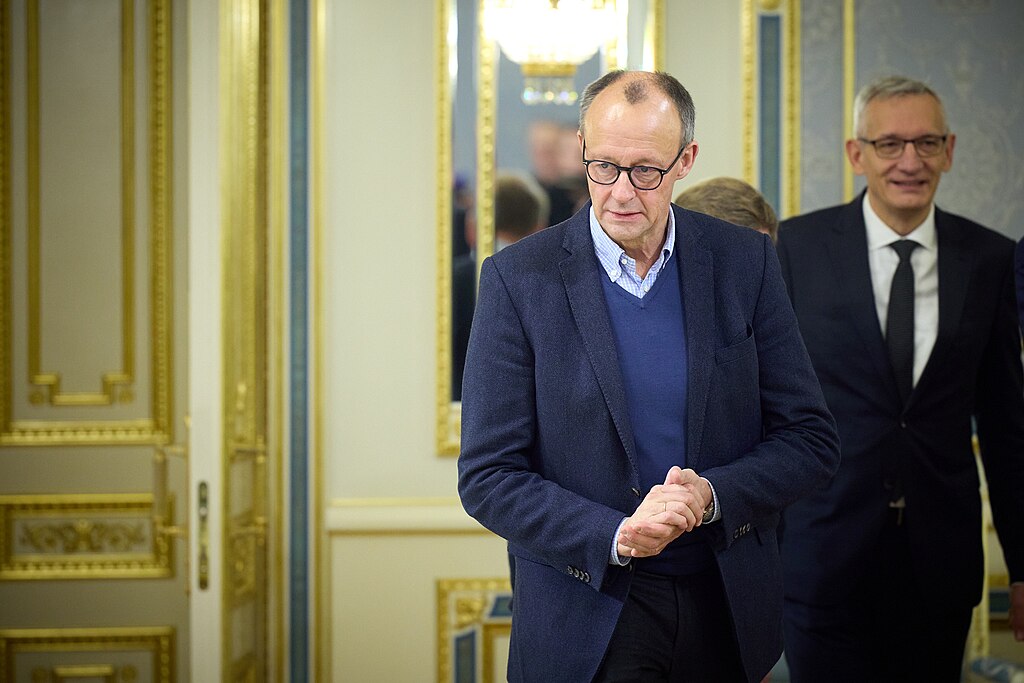
German Chancellor Friedrich Merz warned that political extremism was gaining ground in Germany’s legislatures after an Alternative for Germany (AfD) politician was elected president of the Saxony-Anhalt state parliament.
Tobias Rausch secured the leadership post on Tuesday following the AfD’s victory in last month’s state election. His election has intensified debate over Germany’s political “firewall,” an informal agreement among mainstream parties not to form coalitions with the far-right AfD or rely on its votes to pass legislation.
Rausch received 48 votes in a secret ballot, exceeding expectations. The AfD and the far-left BSW together held 44 votes, suggesting at least four lawmakers from other parties backed him.
The result sparked speculation that some members of Merz’s Christian Democratic Union (CDU) may have supported Rausch. However, there is no evidence identifying the additional lawmakers because the vote was secret.
“Extremism is forcefully making its way into our parliaments,” Merz said Wednesday. He warned that politicians who supported the AfD were undermining their credibility and helping extremists. Merz also rejected suggestions that CDU lawmakers necessarily provided the additional votes.
The BSW had openly promised to support the AfD candidate. The two parties share positions on issues including opposition to mass immigration and calls to end sanctions against Russia.
Using their new majority in the Saxony-Anhalt parliament, the AfD and BSW immediately introduced a motion demanding that Germany stop military and financial assistance to Ukraine and remove sanctions on Russia.
Merz said state parliamentary groups should investigate whether more could be learned about the secret ballot but cautioned against premature conclusions and possible political “false flag operations.”
He accused the AfD, BSW and far-left Left party of working to weaken Germany’s democratic cohesion.
Meanwhile, Merz’s Social Democratic coalition partners demanded clarification from the CDU. SPD parliamentary leader Matthias Miersch said he planned to raise the controversy during a coalition meeting on Wednesday evening.







