


 Saudi Arabia Probes Flydubai Cockpit Attack
  Mike Rogers Calls for End to US-Canada Tariff War
  Houthis Strike Aden Airport as Yemen Fighting Escalates
  Trump Weighs FBI Probe Into Nolan Wells’ Death
  Vance Demands Iran Cut Nuclear Enrichment to End War
  Iran Tanker Attacks Surge as Hormuz Oil Flows Near Prewar Levels
  Hegseth Praises USS Abraham Lincoln Crew After Record Iran War Deployment
  Lincoln University Students Sue Missouri Over Decades of Underfunding
  Trump Backs Florida Golf Course as Presidential Retreat
  Saudi Airport Attacks Kill Three as Yemen Fighting Escalates
  Flavio Bolsonaro Surges as Family Scores Brazil Election Comeback
  France Student Protests Intensify Nationwide
  Merz Warns of Extremism After AfD Gains Power in Saxony-Anhalt
  Rapidus Seeks Chip Customers as Japan Pushes 2nm Semiconductor Revival
  Russia Targets Danish Ukraine Suppliers in Sabotage Campaign
  Lula Weighs Alckmin as Finance Minister to Boost Fiscal Credibility
  San Francisco Halts New Data Center Construction With 45-Day Moratorium


 Add as a preferred source on Google
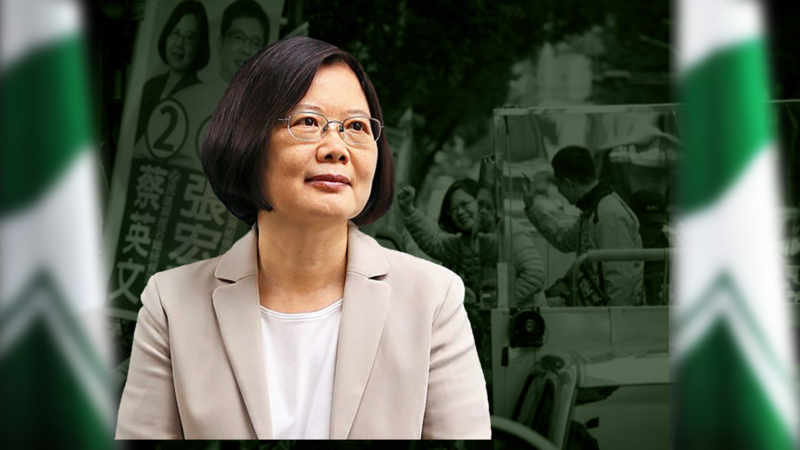
Former Taiwan President Tsai Ing-wen warned a U.S. audience on Wednesday that China is maintaining sustained pressure on Taiwan through military, cyber and economic activities designed to reshape the island’s security environment without triggering open conflict.
Speaking at a defense forum at Stanford University during her first U.S. trip since leaving office two years ago, Tsai described China’s actions as an immediate security challenge for Taiwan. The United States remains Taiwan’s most important international supporter despite the absence of formal diplomatic relations.
Tsai said Taiwan faces daily cyberattacks, information manipulation, cognitive warfare, economic coercion and attempts to compromise critical infrastructure. Chinese military aircraft and vessels also routinely operate around Taiwan, while coast guard activity near the island’s waters has become increasingly common.
She characterized these operations as China’s "grey zone" tactics, intended to test Taiwan’s responses, impose costs and gradually change the security environment while avoiding the consequences of direct military confrontation.
Tsai said Taiwan must manage the continuing pressure while strengthening its defense capabilities in case deterrence fails.
China considers Taiwan part of its territory and has not ruled out using force to bring the democratically governed island under its control, although Beijing says it favors peaceful "reunification." China’s embassy in Washington reiterated this week that Beijing opposes official interactions between Taiwan and the United States.
Tsai and her successor, President Lai Ching-te, reject Beijing’s sovereignty claims. China has declined to engage with either leader. Lai has not visited the United States since President Donald Trump began his second administration.
Tsai also emphasized Taiwan’s importance to global technology and manufacturing supply chains. She warned that a major disruption in the Taiwan Strait could have economic and security consequences extending across the Indo-Pacific and beyond.
Greater international cooperation with Taiwan, Tsai argued, would strengthen the island’s security while supporting regional stability and the resilience of democratic countries worldwide.







