


 Microsoft's $10 Billion Japan Investment: AI Infrastructure and Data Sovereignty Push
  TSMC Japan's Second Fab to Produce 3nm Chips by 2028
  First Western Ship Transits Strait of Hormuz Since Iran War Began
  Europe's Aviation Sector on Track to Meet 2025 Green Fuel Mandate
  Norma Group Posts Revenue Decline in 2025, Eyes Modest Recovery in 2026
  Private Credit Under Pressure: Is a Slow-Motion Crisis Unfolding?
  Fonterra Admits Anchor Butter "Grass-Fed" Label Misled Consumers After Greenpeace Lawsuit
  Jefferies Upgrades Sodexo to Buy With €55 Target After Historic CEO Appointment
  Ukrainian Drones and the #MadeByHousewives Movement: Kyiv Fires Back at Rheinmetall CEO
  Cathay Pacific Holds Firm on Flight Capacity Amid Middle East Conflict and Rising Fuel Costs
  Tesla Q1 2026 Deliveries Miss Estimates as AI Strategy Takes Center Stage
  SpaceX Eyes Historic IPO at $1.75 Trillion Valuation
  Apple Turns 50: From Garage Startup to AI Crossroads
  OpenAI Executive Shake-Up Ahead of Anticipated 2026 IPO
  Star Entertainment Secures $390M Refinancing Deal to Stabilize Operations
  KPMG UK Cuts 440 Audit Jobs Amid Low Attrition and Cooling Professional Services Demand
  Microsoft Eyes $7B Texas Energy Deal to Power AI Data Centers


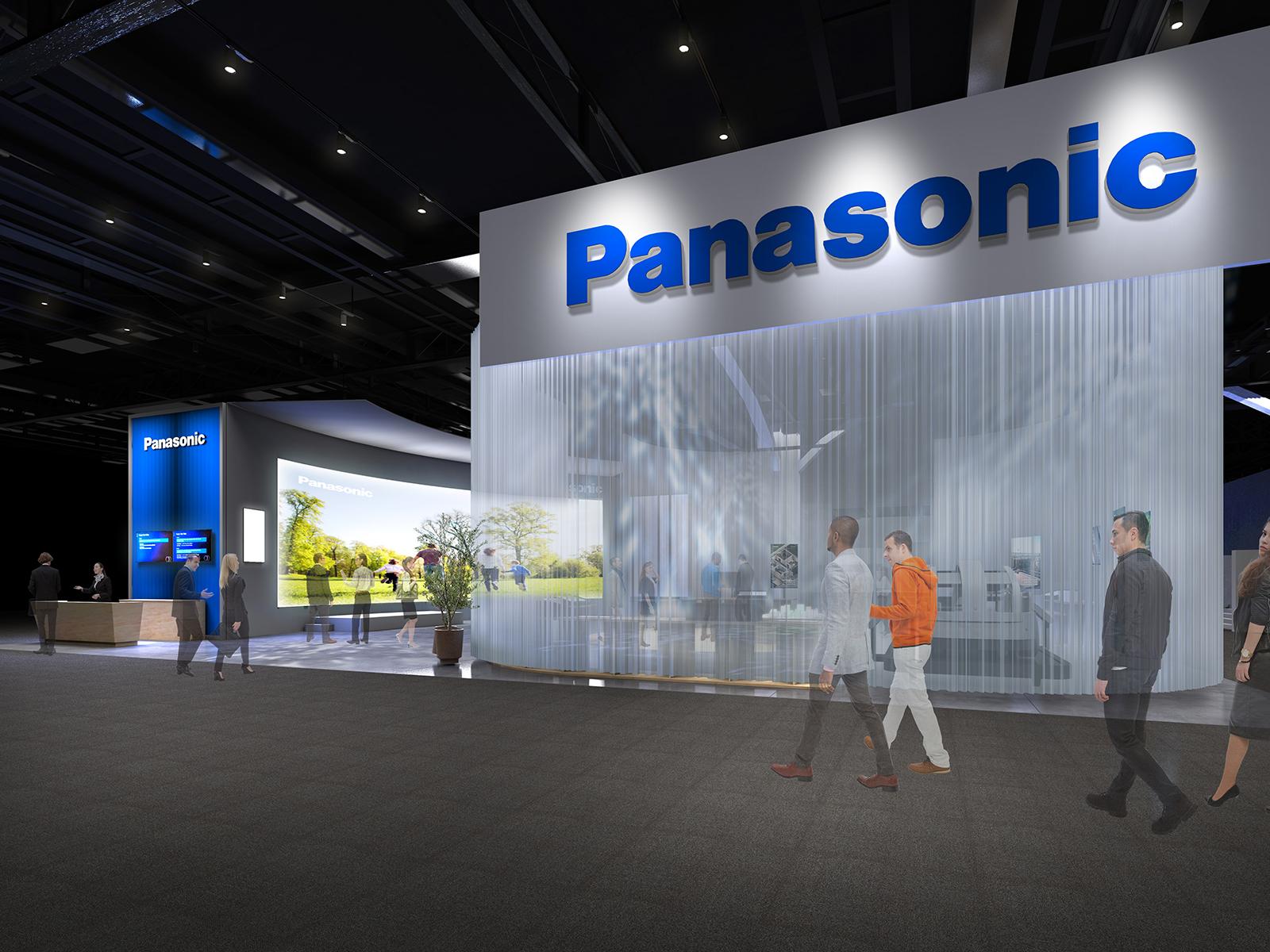
Panasonic's battery business must emphasize productivity improvement in response to a slowdown in electric vehicle (EV) demand, according to Group CEO Yuki Kusumi. Previously, Panasonic Energy aimed to decide about the factory by the end of March.
In an interview with Reuters, Kusumi indicated that the Tesla supplier might delay the construction of a third battery plant in North America. Kusumi stated that the timing for such a decision would be determined when appropriate.
Thoroughly Raising Productivity Before Expanding
According to CNBC, Kusumi emphasized prioritizing productivity enhancement before establishing another site. He underscored the importance of thoroughly raising productivity levels instead of rushing into setting up a third location.
This approach aligns with Kusumi's belief that fewer production sites are generally more advantageous due to the human resources requirements of new plants.
Cooling EV Demand Leads to Production Adjustments
While global consumer demand for EVs continues to grow, key markets like the United States and Europe have experienced a slowdown. Furthermore, the profitability of EVs has not met industry executives' initial estimates.
Factors such as higher interest rates and the unavailability of affordable models have contributed to middle-income consumers being priced out of the market.
Amid signs of cooling EV demand in the United States, automakers like General Motors and Ford have scaled back production plans. This trend has prompted Panasonic Energy to reconsider its decision to build a third battery plant.
The unit currently operates a facility in Nevada and has commenced construction on a second one in Kansas. Notably, Oklahoma is no longer being considered as a candidate site.
Focusing on Annual Capacity Increase to Meet Future Demands
Panasonic Energy expects the Kansas plant to boost its annual auto battery capacity to 80 gigawatt hours (GWh) by the time it becomes operational. Moreover, the unit plans to raise its capacity to 200 GWh by early 2031. These efforts reflect Panasonic's commitment to meet the increasing demand for EV batteries in the coming years.
Kusumi has urged the energy unit to prioritize volume production and focus on improving existing manufacturing capabilities instead of solely considering the location of the third plant. He believes that enhancing processes such as machine maintenance will enable the unit to increase production capacity. Kusumi acknowledges that changing circumstances may introduce time lags but asserts these are common in any business environment.
Kusumi emphasized that Panasonic's energy unit aims to boost its profitability without relying on the U.S. Inflation Reduction Act (IRA) or other government legislation.
Photo: Panasonic Newsroom Global







