


 Canadian Dollar Faces Pressure as Fed-BoC Policy Gap Widens
  Asian Stocks Fall as Bond Yields Surge Ahead of Trump-Xi Summit
  UK PM Burnham to Unveil Economic Vision at Labour Conference
  US Stock Futures Fall as Treasury Yields Surge Ahead of Trump-Xi Summit
  Fed Unveils Stablecoin Rules Under GENIUS Act
  Dollar Holds Near Two-Month High as Yen Approaches 160
  U.S. Dollar Hits Two-Month High as Oil, Treasury Yields Surge
  European Stocks Fall as Bond Yields and Geopolitical Risks Weigh
  Asian Currencies Mixed as Dollar Holds Near Two-Month High
  Gold Prices Fall as Treasury Yields Rise on Fed Rate Hike Bets
  Soybean Futures Slip as Traders Await Trump-Xi Trade Signals
  Asian Stocks Fall as Surging Bond Yields Rattle Markets
  Gold Holds Near $4,275 as Rising Treasury Yields Fuel Fed Rate Hike Bets
  RBI Uses $10 Billion Currency Swaps to Drain Excess Rupee Liquidity
  Wall Street Ends Flat as Oil, Treasury Yields and Fed Jitters Rattle Markets
  Fed’s Hammack Says Bond Yield Surge Is Not Driven by Inflation Fears
  US 10-Year Treasury Yield at 6% Emerges as New Market Risk Threshold


 Add as a preferred source on Google
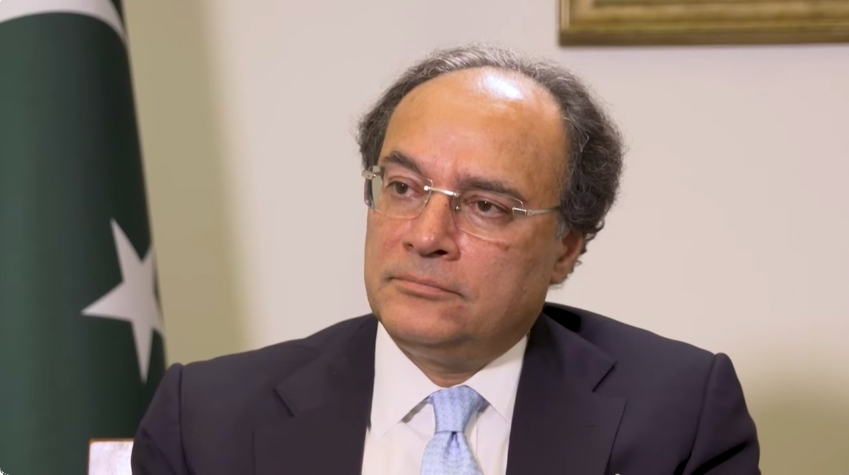
Pakistan has requested China to expand its currency swap line by 10 billion yuan ($1.4 billion), Finance Minister Muhammad Aurangzeb revealed during the IMF and World Bank Spring Meetings in Washington. The country already holds a 30 billion yuan swap line with China and aims to increase it to 40 billion yuan to strengthen financial stability. China’s central bank has been promoting currency swaps with several emerging markets, including Argentina and Sri Lanka.
Aurangzeb also confirmed progress towards issuing Pakistan’s first Panda bond, a debt instrument denominated in Chinese yuan for China’s domestic market. Discussions with the Asian Infrastructure Investment Bank (AIIB) and Asian Development Bank (ADB) for credit enhancements have been positive. The government hopes to launch the bond by the end of 2025 to diversify its funding sources.
In parallel, Pakistan expects the IMF Executive Board to approve a $1.3 billion climate resilience loan and the first review of its ongoing $7 billion bailout program by early May. Approval would release a $1 billion tranche crucial for maintaining economic stability.
Tensions with India have worsened following the killing of 26 people at a tourist site, with both countries imposing retaliatory measures. Trade between India and Pakistan, already minimal, stood at just $1.2 billion last year.
Despite regional instability, Aurangzeb forecasts Pakistan’s economic growth at around 3% for the financial year ending June 2025, aiming for 4–5% growth next year and a long-term target of 6%.







