


 Fed Confirms Rate Meeting Schedule Despite Severe Winter Storm in Washington D.C.
  Bank of Japan Signals Readiness for Near-Term Rate Hike as Inflation Nears Target
  China Holds Loan Prime Rates Steady in January as Market Expectations Align
  China Extends Gold Buying Streak as Reserves Surge Despite Volatile Prices
  ECB’s Cipollone Backs Digital Euro as Europe Pushes for Payment System Independence
  Dollar Near Two-Week High as Stock Rout, AI Concerns and Global Events Drive Market Volatility
  MAS Holds Monetary Policy Steady as Strong Growth Raises Inflation Risks
  Trump Signs Executive Order Threatening 25% Tariffs on Countries Trading With Iran
  Thailand Inflation Remains Negative for 10th Straight Month in January
  Fed Governor Lisa Cook Warns Inflation Risks Remain as Rates Stay Steady
  Why Trump’s new pick for Fed chair hit gold and silver markets – for good reasons
  Bank of England Expected to Hold Interest Rates at 3.75% as Inflation Remains Elevated
  BOJ Rate Decision in Focus as Yen Weakness and Inflation Shape Market Outlook


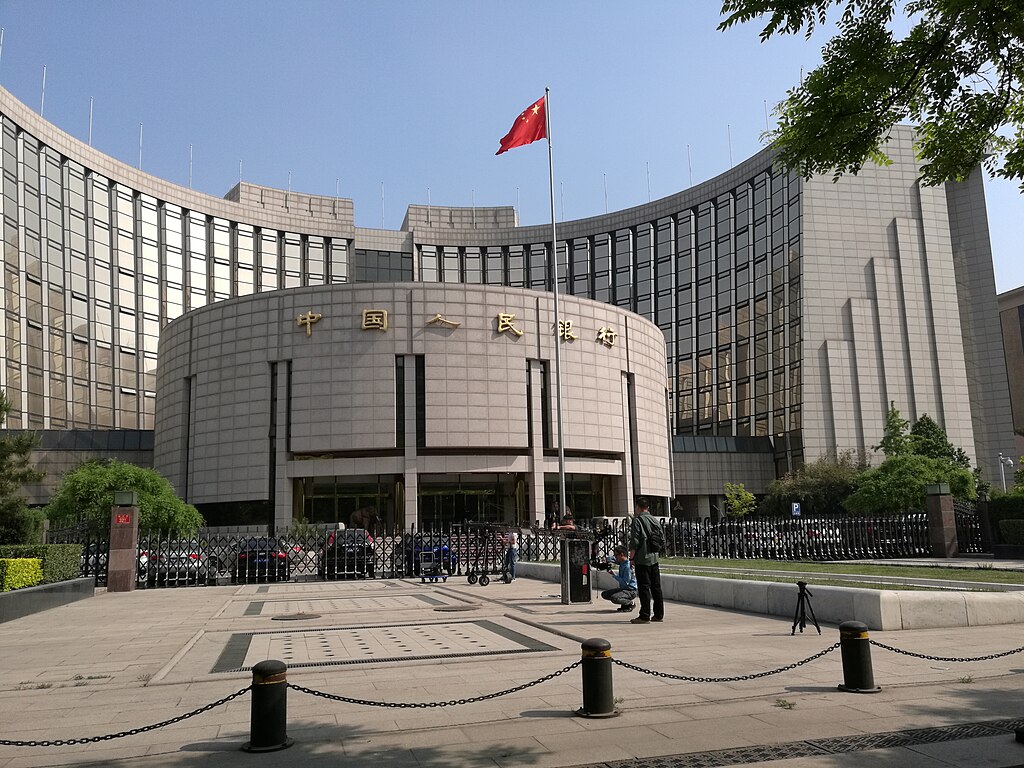
China’s central bank, the People’s Bank of China (PBOC), kept its main policy rate unchanged on Thursday, just hours after the U.S. Federal Reserve announced a rate cut. The PBOC injected 487 billion yuan ($68.56 billion) into the banking system through seven-day reverse repurchase agreements, maintaining the borrowing cost at 1.40%.
The seven-day reverse repo rate has become the PBOC’s primary policy tool for guiding short-term liquidity and overall monetary conditions. By holding the rate steady, the central bank signaled its focus on maintaining financial stability despite global monetary easing trends. Analysts note that the move underscores Beijing’s cautious approach as it balances supporting economic recovery with managing inflationary pressures and capital outflows.
This comes after the PBOC last adjusted the rate in May, when it trimmed it by 10 basis points. Since then, markets have closely monitored policy signals amid China’s uneven growth and ongoing efforts to boost demand. The latest operation shows the central bank’s preference for liquidity injections over aggressive rate cuts, aiming to provide sufficient funding to banks while avoiding excessive downward pressure on the yuan.
The timing of the decision is notable, as it contrasts with the Federal Reserve’s rate cut aimed at supporting U.S. economic momentum. Global investors are watching how the policy divergence between China and the U.S. could affect capital flows, exchange rates, and overall financial market stability.
With the PBOC holding its ground, attention now shifts to whether upcoming data on growth, inflation, and credit demand will push policymakers toward further easing measures later this year.













