


 Fed Rate Hike Threatens Housing as U.S. Growth Leans on AI, Citi Says
  UK Home Asking Prices Rise for First Time Since May
  Physicists zoom into the birth of cosmic rainstorms with new CERN study
  Vietnam, US Trade Deal Could Be Signed Soon, To Lam Says
  Gold Slides to $4,262 as Hawkish Fed Rate Hike Triggers Technical Breakdown
  Gold Prices Slip as Strong Dollar and Hawkish Fed Pressure Bullion
  Asian Stocks Mixed Ahead of Trump-Xi Meeting
  Big AI wants to slow down AI research. Is it a safety pause or a strategic retreat?
  AI is supercharging money scams – here’s what you can do to protect yourself
  Oil Prices Extend Losses as U.S.-Iran Talks Ease Supply Fears
  U.S. Dollar Hits Eight-Week High After Fed Rate Hike
  South Korea to Brief Lawmakers on $350 Billion US Investment Package


 Add as a preferred source on Google
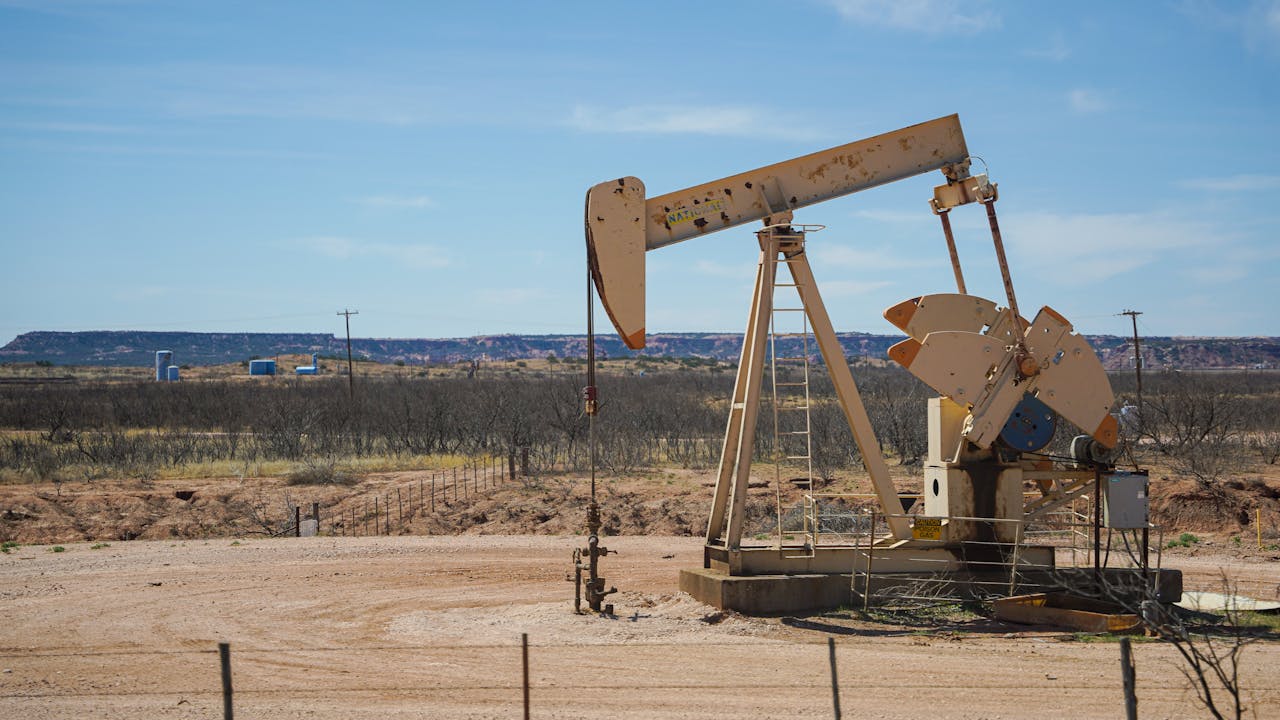
Oil prices fluctuated sharply in Q2 2025 as markets reacted to U.S. tariff announcements and a brief Israel-Iran conflict. Crude initially dropped to around $60 per barrel after President Trump introduced broad “reciprocal” tariffs in April, stoking fears of inflation and slowing global demand. Although many of the levies were delayed, concerns over their economic impact weighed heavily on sentiment.
In June, prices rebounded above $80 per barrel following a multi-day air war between Israel and Iran. The conflict sparked fears of a broader regional disruption, threatening oil flows from the Middle East. However, after a ceasefire was reached, the geopolitical risk premium faded and prices stabilized near pre-conflict levels.
UBS analysts noted that while risks persist, they expect moderate price growth over the next few years—forecasting $65 per barrel in 2026, $70 in 2027, and $75 in 2028. They cited a faster-than-expected recovery in oil GDP and a surprise OPEC+ decision to increase production in August as key factors supporting their outlook.
As a result, UBS raised GDP growth estimates for Saudi Arabia and the UAE. Saudi Arabia is now projected to grow by 3.5% in 2025 and 4% in 2026, while the UAE is expected to expand by 4% and 4.3% respectively.
UBS also pointed out that Middle East and North African markets are less exposed to U.S. trade tensions, making regional sectors like banking, telecom, and IT particularly appealing. Top equity picks include Saudi National Bank, Abu Dhabi Commercial Bank, and Mobile Telecomms KSA. Conversely, materials and utilities were viewed as less favorable.
This oil market volatility highlights how geopolitical events and trade policy continue to shape energy and economic forecasts worldwide.







