


 Germany’s 2026 Growth Outlook Strengthens on Fiscal Spending
  Dollar Falls as Oil Eases, Yen Jumps on Intervention Signals
  RBI Uses $10 Billion Currency Swaps to Drain Excess Rupee Liquidity
  US Comfortable With Canada Trade Standoff as Import Bans Loom
  China Agrees to Buy 20 Million Tons of U.S. Coal
  Fed Unveils Stablecoin Rules Under GENIUS Act
  Canadian Dollar Faces Pressure as Fed-BoC Policy Gap Widens
  Gold Prices Fall as Treasury Yields Rise on Fed Rate Hike Bets
  Gold Holds Near $4,275 as Rising Treasury Yields Fuel Fed Rate Hike Bets
  US 10-Year Treasury Yield at 6% Emerges as New Market Risk Threshold
  Oil Prices Fall on U.S.-Iran Hormuz Deal Hopes
  Fed’s Hammack Says Bond Yield Surge Is Not Driven by Inflation Fears
  US Stock Futures Fall as Treasury Yields Surge Ahead of Trump-Xi Summit
  Oil Prices Jump 3% as Houthi Attack Revives Supply Fears
  Japanese Yen Rebounds as Trump Flags Currency Weakness
  European Stocks Fall as Bond Yields and Geopolitical Risks Weigh
  UK PM Burnham to Unveil Economic Vision at Labour Conference


 Add as a preferred source on Google
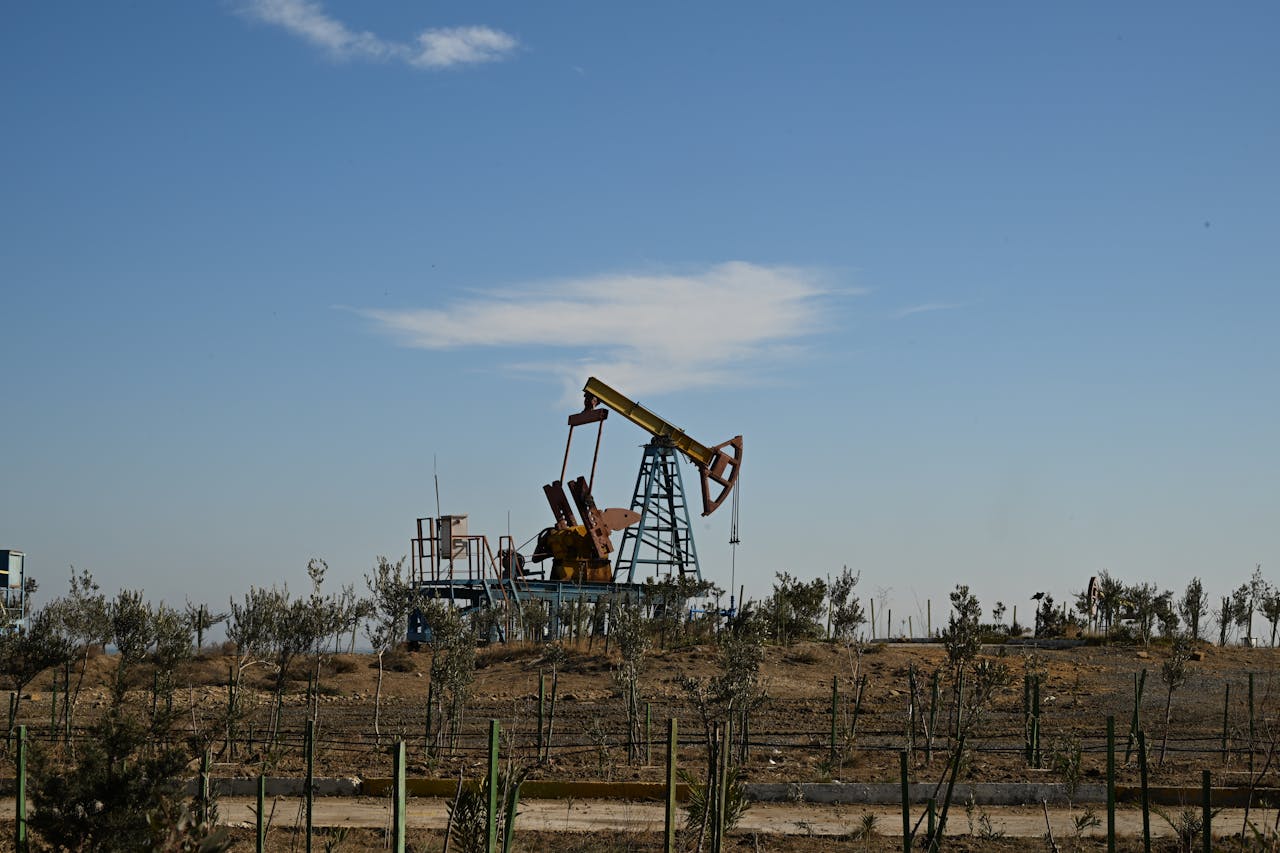
Oil prices spiked on Monday, reaching their highest levels since January, after the U.S. joined Israel in striking Iran’s nuclear facilities, intensifying Middle East tensions and raising concerns about crude supply disruptions. Brent crude rose $1.88, or 2.44%, to $78.89 a barrel by 1122 GMT, while U.S. West Texas Intermediate (WTI) climbed $1.87, or 2.53%, to $75.71. Both benchmarks had earlier surged over 3% to $81.40 and $78.40, respectively.
The escalation followed President Donald Trump’s announcement that U.S. forces had “obliterated” Iran’s key nuclear sites. Iran, OPEC’s third-largest oil producer, vowed retaliation, stoking fears of a potential blockade of the Strait of Hormuz— a crucial chokepoint for about 20% of global oil shipments.
Iran’s Press TV reported that its parliament approved a measure to close the strait, though such threats have never been carried out. Market experts warn that even without a full closure, the threat alone may disrupt shipping activity and lead to reduced exports. Senior analyst June Goh of Sparta Commodities noted the elevated risk to regional oil infrastructure and warned that many shippers might avoid the area altogether.
Since the conflict reignited on June 13, Brent has surged roughly 13%, and WTI has gained about 10%. However, analysts caution that the current geopolitical risk premium could fade if there are no tangible supply interruptions. Ole Hansen of Saxo Bank also noted that recent profit-taking on long positions could limit further price increases.
While alternative pipelines exist, full compensation for lost shipments via the Strait of Hormuz remains unlikely, leaving markets on edge and oil prices sensitive to further geopolitical developments.







