


 Japan Signals Readiness to Act on Yen as Intervention Speculation Grows
  Moody’s Says Peru’s President-Elect Keiko Fujimori Could Boost Investor Confidence
  US Stock Futures Hold Steady Ahead of June Jobs Report as Fed Rate Outlook Remains in Focus
  JPMorgan Cuts Gold Price Forecast, Sees Bullion Reaching $4,500 by End of 2026
  Turkey Vehicle Sales Fall 11.4% in June as Auto Market Weakens
  Gold Price Today: Bullion Heads for First Weekly Gain as Weak U.S. Jobs Data Eases Rate Hike Fears
  Asian Currencies Rise as Dollar Weakens; Yen Holds Steady Amid Japan Intervention Watch
  Brazil to Phase Out Gasoline Subsidy First as Diesel Support Stays Longer
  Trump Administration Declines USMCA Renewal, Opens Talks on New Trade Changes
  Japan Signals Surprise Yen Intervention Strategy as BOJ Hawkish Stance Puts FX Traders on Alert
  Goldman Sachs Says China Competition Weighs More on EU Growth Than Trade Deficit
  Asian Stocks Slide as Chip Shares Tumble Ahead of Key U.S. Jobs Report
  Denmark Central Bank Intervenes to Support Krone Peg Against Euro
  U.S. Dollar Drops as Weak Jobs Data Boosts Fed Pause Bets, Yen Jumps on Intervention Talk
  Oil Prices Steady as U.S.-Iran Talks Ease Supply Fears Ahead of Holiday Weekend
  Australia Trade Balance Swings to Surprise Deficit as Imports Outpace Exports in May
  Gold Price Holds Above $4,000 as Fed Rate Hike Expectations and U.S. Jobs Data Weigh on Market


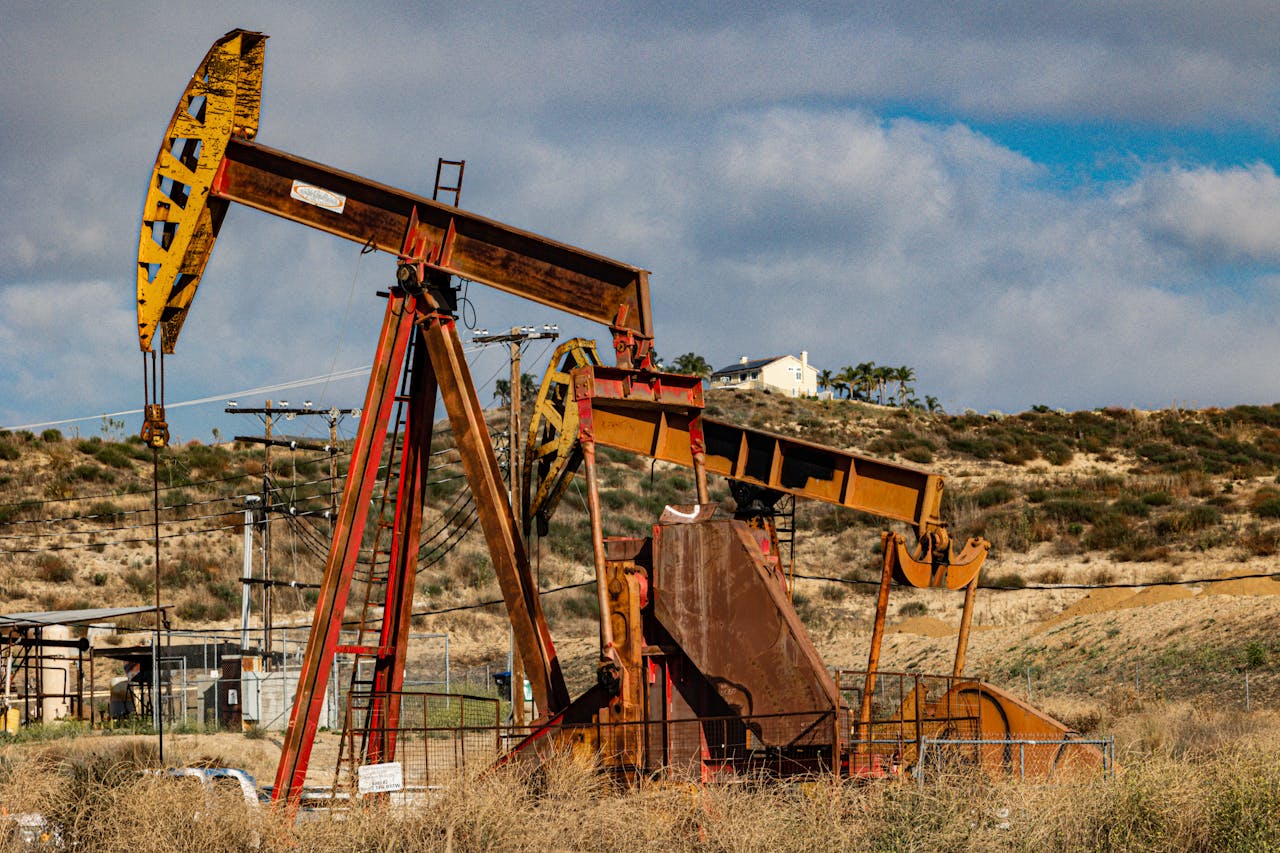
Oil prices ended the week largely unchanged as investors weighed improving prospects for a lasting U.S.-Iran peace agreement against rising crude supply from the Middle East.
Brent crude futures settled up 14 cents, or 0.19%, at $71.94 per barrel, finishing the week just 5 cents below last Friday’s close. U.S. West Texas Intermediate (WTI) crude gained 9 cents, or 0.13%, to $68.78 per barrel. Trading activity remained subdued as U.S. financial markets were closed ahead of the Independence Day holiday.
Both benchmarks had dropped to their lowest levels since before the U.S.-Israeli conflict with Iran began in late February, reflecting growing confidence that tensions may continue to ease.
Market sentiment has improved as negotiations between Washington and Tehran continue, raising expectations that the Strait of Hormuz will remain open for global energy shipments. Analysts at Commerzbank said optimism surrounding the talks has strengthened hopes for a full reopening of the key shipping route.
Citi analysts noted that while the U.S.-Iran memorandum of understanding remains fragile, both sides currently have little incentive to abandon it despite ongoing disagreements over the administration and tolling of the Strait of Hormuz.
Although some shipping has resumed through the strategic waterway, uncertainty persists after both countries exchanged military strikes last weekend following an Iranian attack on a cargo vessel.
Meanwhile, oil supply from the Gulf is recovering faster than expected. A Reuters survey showed OPEC production increased by 3.3 million barrels per day in June compared with the previous month. Kuwait also significantly boosted production to 1.65 million barrels per day from 580,000 barrels per day in May, according to a source familiar with the matter.
Trade sources and shipping data also indicated that at least five supertankers carrying around 10 million barrels of Saudi crude have departed through the Strait of Hormuz, while Saudi Aramco has shifted toward spot pricing to accelerate crude sales across Asia.
Analysts say stronger Middle Eastern exports, combined with weak Chinese import demand, have shifted the oil market from backwardation into contango, signaling improving near-term supply availability and easing concerns over future shortages.







