


 US 10-Year Treasury Yield at 6% Emerges as New Market Risk Threshold
  South Korea, US Discuss Warship Building Cooperation
  Oil Prices Surge as U.S.-Iran Diplomacy Hopes Fade
  US Dollar Hits Two-Month High as Fed Rate Hike Bets Rise
  China’s ‘Lipstick King’ Says AI Won’t Replace Livestream Hosts
  Asian Stocks Fall as Bond Yields Surge Ahead of Trump-Xi Summit
  Wall Street Ends Flat as Oil, Treasury Yields and Fed Jitters Rattle Markets
  Wall Street Falls as Treasury Yields Surge, Oil Rebounds on Iran Tensions
  Oil Prices Jump 3% as Houthi Attack Revives Supply Fears
  RBI Uses $10 Billion Currency Swaps to Drain Excess Rupee Liquidity
  Soybean Futures Slip as Traders Await Trump-Xi Trade Signals
  Fed Unveils Stablecoin Rules Under GENIUS Act
  European Stocks Fall as Bond Yields and Geopolitical Risks Weigh
  Trump, Xi Focus on Trade and AI at White House Summit
  Oil Prices Ease as Iran Tensions Clash With Diplomacy Hopes
  European Stocks Slip as Iran Tensions Offset Strong Eurozone Data
  US, China Extend Trade Truce to Jan. 10 Ahead of Trump-Xi Summit


 Add as a preferred source on Google
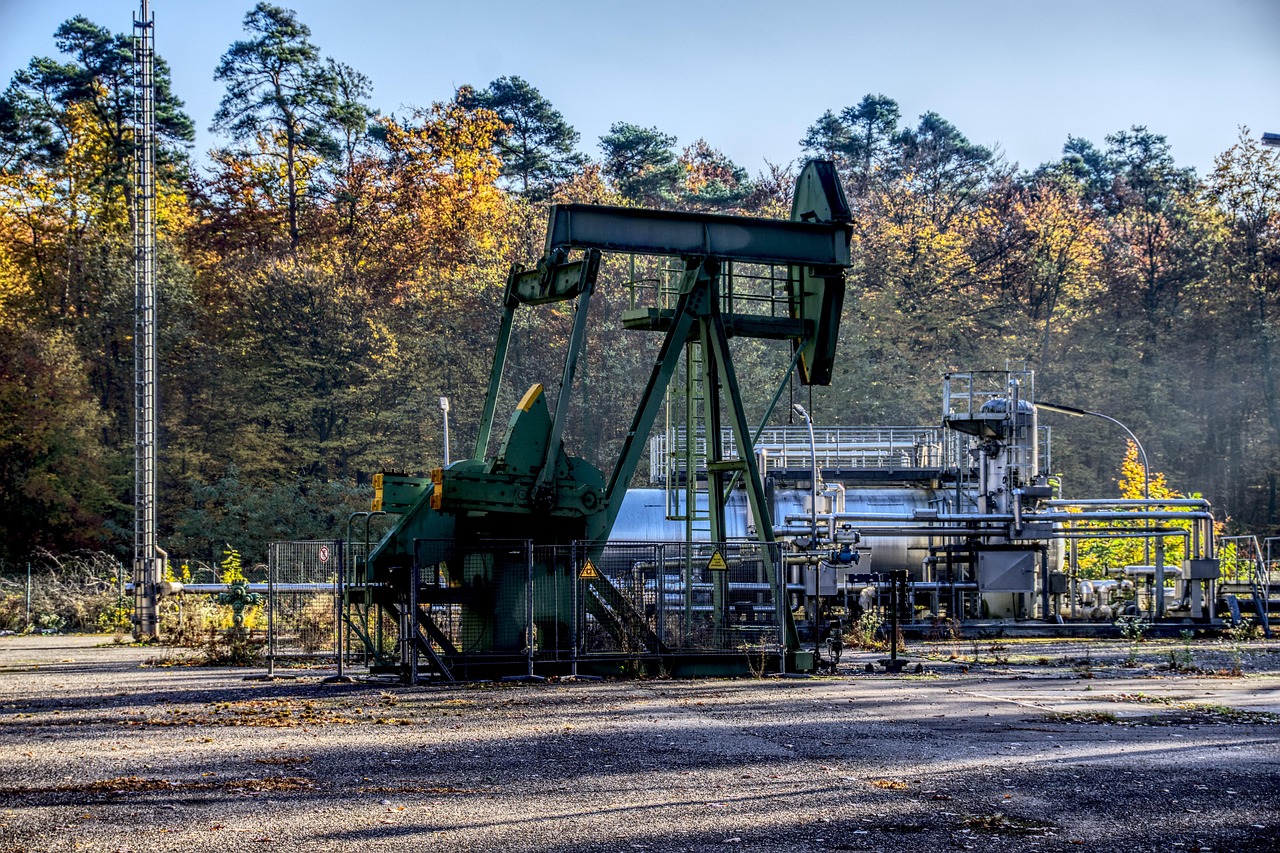
Oil prices edged lower in early Friday trading but remained on course for solid weekly gains as geopolitical tensions between the United States and Iran continued to support the market, despite growing concerns that rising inflation could weaken global fuel demand.
Brent crude futures slipped 6 cents, or 0.08%, to $76.24 a barrel, while U.S. West Texas Intermediate (WTI) crude fell 4 cents, or 0.06%, to $72.04 as of 0125 GMT. Even with the modest pullback, Brent was on track for a weekly gain of about 6%, while WTI was set to rise roughly 5%.
Oil markets remained focused on escalating tensions in the Middle East after Iranian armed forces launched attacks on U.S. military facilities in Gulf states on Thursday in response to recent U.S. strikes on targets in Iran’s southern coastal and eastern regions. Iranian media also reported multiple explosions across southern Iran, including near Bushehr, home to one of the country's nuclear power plants.
The latest military exchanges came as Iran buried its slain Supreme Leader Ayatollah Ali Khamenei, who was killed on the first day of the conflict on February 28. The renewed fighting has delayed the full reopening of the Strait of Hormuz, a vital shipping route that previously handled around 20% of global oil and gas supplies.
ANZ senior commodity strategist Daniel Hynes said markets found some relief after the Trump administration avoided targeting Iran's energy infrastructure during its latest military operations. Investor sentiment was further supported by President Donald Trump's comments that he does not expect the conflict to escalate into another full-scale war and believes any further hostilities would end quickly.
Meanwhile, economic data presented mixed signals for oil demand. In the United States, initial jobless claims declined last week, pointing to a resilient labor market characterized by steady hiring and limited layoffs. In China, however, producer price inflation climbed to a four-year high in June, raising concerns over manufacturing profitability as weak domestic demand continued to limit companies' ability to pass on higher costs. Rising inflationary pressures in the world's second-largest economy could weigh on future energy consumption, tempering the bullish impact of geopolitical risks on crude prices.







