


 Oil Prices Ease as Iran Tensions Clash With Diplomacy Hopes
  Soybean Futures Slip as Traders Await Trump-Xi Trade Signals
  US Stock Futures Fall as Treasury Yields Surge Ahead of Trump-Xi Summit
  Gold Holds Near $4,275 as Rising Treasury Yields Fuel Fed Rate Hike Bets
  Oil Prices Surge as U.S.-Iran Diplomacy Hopes Fade
  European Stocks Fall as Bond Yields and Geopolitical Risks Weigh
  Oil Prices Jump 3% as Houthi Attack Revives Supply Fears
  Trump, Xi Focus on Trade and AI at White House Summit
  Fed Unveils Stablecoin Rules Under GENIUS Act
  Wall Street Ends Flat as Oil, Treasury Yields and Fed Jitters Rattle Markets
  US 10-Year Treasury Yield at 6% Emerges as New Market Risk Threshold
  Asian Stocks Fall as Surging Bond Yields Rattle Markets
  RBI Uses $10 Billion Currency Swaps to Drain Excess Rupee Liquidity
  Japanese Bank Stocks Surge as Bond Yields Fuel Rate Hike Bets
  Australia Unemployment Hits Five-Year High Despite Strong Jobs Growth
  Mexico-US Trade Talks Delayed to October as Tariff Negotiations Continue
  Asian Stocks Fall as Bond Yields Surge Ahead of Trump-Xi Summit


 Add as a preferred source on Google
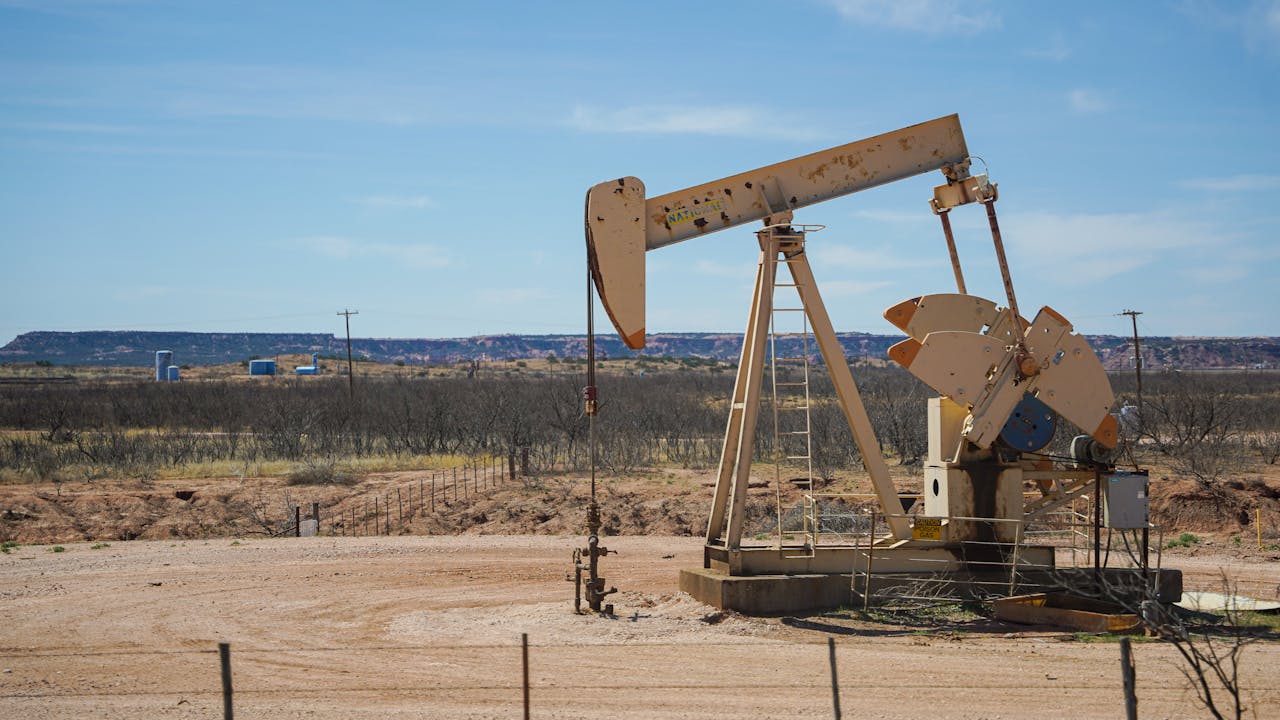
Oil prices edged lower during volatile Asian trading on Wednesday as U.S. President Donald Trump announced an indefinite extension of the ceasefire with Iran. While the move raised hopes for continued peace talks, ongoing geopolitical uncertainty and supply disruptions in the Middle East kept energy markets cautious.
Brent crude futures declined 0.4% to $98.13 per barrel, while West Texas Intermediate (WTI) crude fell 0.4% to $85.59 per barrel. Both benchmarks experienced choppy movements earlier in the session, reflecting mixed sentiment among traders reacting to geopolitical developments and supply concerns.
Despite the dip in oil prices, losses were limited due to persistent fears over global oil supply. The Strait of Hormuz, a critical النفط shipping route responsible for nearly 20% of global oil consumption, remains effectively closed. Reduced tanker traffic and a continued U.S. naval blockade against Iran have significantly disrupted oil flows, supporting prices even as diplomatic efforts progress.
Trump stated that extending the ceasefire would allow both nations more time to negotiate a long-term resolution to the conflict. However, uncertainty remains high as Iran has yet to officially confirm its participation in the extended truce. Previous statements from Iranian leadership indicated reluctance to engage in negotiations while the U.S. naval blockade remains in place.
Adding to the complexity, reports suggest the U.S. administration is considering extending a waiver that allows foreign-flagged vessels to transport fuel between domestic ports. This policy, initially introduced in March, aims to stabilize domestic oil distribution and counter rising fuel costs triggered by the conflict.
Market participants remain cautious as planned peace talks in Pakistan failed to materialize, with both U.S. and Iranian representatives absent. The lack of clear diplomatic progress, combined with ongoing supply chain disruptions, continues to influence crude oil price trends and global energy market outlook.







