


 Wall Street Surges as Meta Leads AI Rally, Oil Prices Fall
  Trump Bans CNN, MS NOW and Politico From White House
  Gold Prices Rise as Oil Slump Eases Fed Rate Hike Fears
  Gold Prices Slip as Strong Dollar and Hawkish Fed Pressure Bullion
  Trump Grants Clemency to Jay-Z Associate Emory Jones
  Vietnam, US Trade Deal Could Be Signed Soon, To Lam Says
  Westinghouse Targets $50 Billion Valuation in U.S. IPO
  Australia Defends Social Media Algorithm Law Amid US Concerns
  Europe Jet Fuel Deficit Drives South Korean Imports to Four-Year High
  FDA Names Permanent Drug and Biologics Center Chiefs
  US Northeast Airports Resume Operations After Telecom Outage Disrupts Thousands of Flights
  Yen in Focus as BOJ, Fed Rate Hikes Reshape Currency Markets
  US Resumes Immigrant Visa Processing for Hungary, Poland
  Wall Street Mixed as Treasury Yields Rise After Fed Hike
  OpenAI Urges US-Led Global Standards for Frontier AI
  NASA, Boeing Discuss Expanding Starliner Missions
  Hyundai CEO Warns Chinese Automakers Could Disrupt US Market


 Add as a preferred source on Google
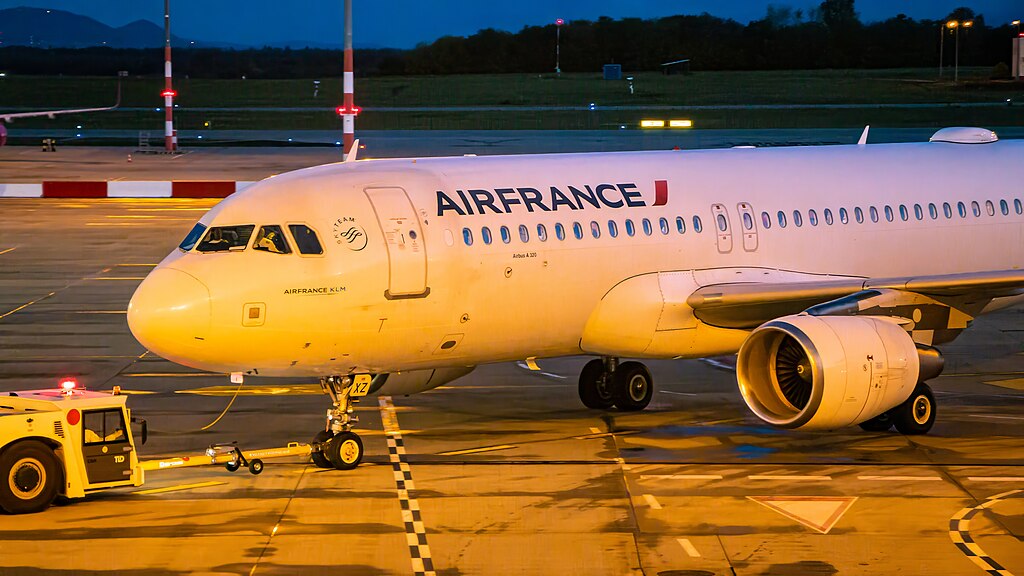
Disruptions to global oil supplies linked to the Iran conflict are driving a sharp increase in jet fuel prices, adding significant costs to air travel across Europe. According to analysis from campaign group Transport & Environment (T&E), long-haul flights departing Europe are now seeing an average fuel cost increase of €88 (about $104) per passenger, while short-haul flights within Europe have risen by around €29 per traveler.
The data compares fuel prices recorded on April 16 with those before the escalation of tensions on February 28 involving the United States, Israel, and Iran. The surge in oil prices has pushed jet fuel above $100 per barrel, creating mounting pressure on airlines already preparing for a busy spring and summer travel season.
Specific routes highlight the growing impact. A flight from Barcelona to Berlin now incurs approximately €26 more in fuel costs per passenger, while a transatlantic journey from Paris to New York has increased by about €129 per traveler. These rising operational expenses are expected to translate into higher ticket prices as airlines seek to maintain profitability.
Major European carriers, including Lufthansa, Ryanair, and Air France-KLM, have indicated they may pass these increased fuel costs onto consumers, particularly if disruptions in critical oil transit routes like the Strait of Hormuz persist. Concerns are also growing over potential fuel shortages, which could lead to flight delays or cancellations.
T&E emphasized that the financial burden from volatile fuel prices is significantly higher than the cost of complying with European Union climate regulations. The group argues that reliance on imported fossil fuels remains a major vulnerability for the aviation sector.
In response, the European Union is preparing guidelines to manage limited jet fuel supplies while accelerating efforts toward energy independence. This includes increased investment in sustainable aviation fuel (SAF) and green energy alternatives. Despite this, airlines continue to lobby for adjustments to EU climate policies, including mandates for synthetic fuel usage and carbon pricing rules, citing rising operational challenges.







