


 Oil Prices Ease as Iran Tensions Clash With Diplomacy Hopes
  RBI Uses $10 Billion Currency Swaps to Drain Excess Rupee Liquidity
  Gold Holds Near $4,275 as Rising Treasury Yields Fuel Fed Rate Hike Bets
  Mexico-US Trade Talks Delayed to October as Tariff Negotiations Continue
  Japanese Yen Rebounds as Trump Flags Currency Weakness
  Dollar Holds Near Two-Month High as Yen Approaches 160
  US 10-Year Treasury Yield at 6% Emerges as New Market Risk Threshold
  US Stock Futures Fall as Treasury Yields Surge Ahead of Trump-Xi Summit
  Fed’s Hammack Says Bond Yield Surge Is Not Driven by Inflation Fears
  Oil Prices Jump 3% as Houthi Attack Revives Supply Fears
  China’s ‘Lipstick King’ Says AI Won’t Replace Livestream Hosts
  Japanese Bank Stocks Surge as Bond Yields Fuel Rate Hike Bets
  Asian Stocks Fall as Bond Yields Surge Ahead of Trump-Xi Summit
  Soybean Futures Slip as Traders Await Trump-Xi Trade Signals
  Asian Stocks Fall as Surging Bond Yields Rattle Markets
  Trump, Xi Focus on Trade and AI at White House Summit
  Australia Unemployment Hits Five-Year High Despite Strong Jobs Growth


 Add as a preferred source on Google
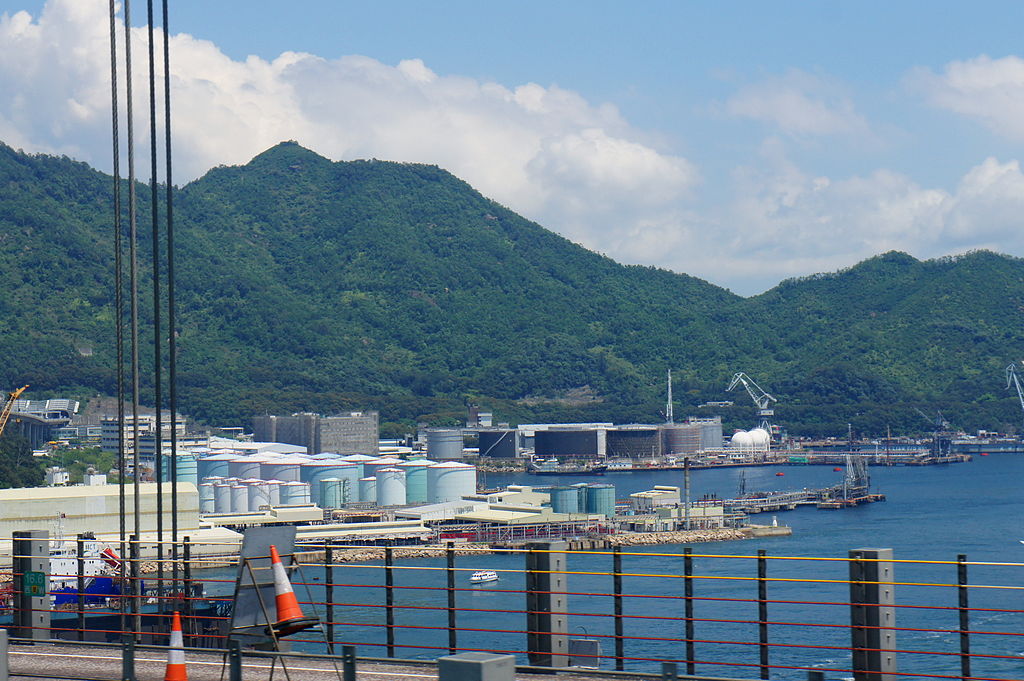
Oil prices edged higher on Tuesday after OPEC+ announced a smaller-than-expected production increase, while growing speculation about new sanctions on Russia added further support.
Brent crude rose 22 cents, or 0.33%, to $66.24 a barrel at 0005 GMT, while U.S. West Texas Intermediate (WTI) gained 24 cents, or 0.39%, to $62.50. The Organization of the Petroleum Exporting Countries and allies, known as OPEC+, agreed to raise production in October by 137,000 barrels per day. This is significantly lower than the recent monthly increases of 555,000 bpd in August and September, and 411,000 bpd in July and June, surprising analysts who had anticipated a larger boost.
According to ANZ senior commodity strategist Daniel Hynes, the move signals a reversal of cuts initially planned to last until 2026, following the swift return of previously idled barrels. The restrained output increase comes at a time when supply concerns are already elevated due to geopolitical tensions.
Market sentiment was further lifted by prospects of fresh sanctions on Russia. The measures are under discussion after Russia launched its largest airstrike on Ukraine, igniting a government building in Kyiv. U.S. President Donald Trump indicated readiness to advance to a second phase of restrictions, while the European Union’s top sanctions official visited Washington to coordinate what could be the first joint U.S.-EU measures since Trump’s return to office. Any further sanctions are expected to curb Russian oil exports, tightening global supply and supporting higher crude prices.
Meanwhile, the U.S. Federal Reserve’s upcoming Federal Open Market Committee meeting has traders pricing in an 89.4% chance of a quarter-point rate cut. Lower borrowing costs could boost economic growth and energy demand, providing additional tailwinds for oil prices.







