


 U.S. Treasury Yields Surge as 30-Year Hits 22-Year High
  US Stock Futures Fall as Treasury Yields Surge Ahead of Trump-Xi Summit
  Australia Unemployment Hits Five-Year High Despite Strong Jobs Growth
  Japanese Bank Stocks Surge as Bond Yields Fuel Rate Hike Bets
  Trump, Xi Focus on Trade and AI at White House Summit
  Oil Prices Surge as U.S.-Iran Diplomacy Hopes Fade
  U.S. Dollar Hits Two-Month High as Oil, Treasury Yields Surge
  Dollar Holds Near Two-Month High as Yen Approaches 160
  Oil Prices Jump 3% as Houthi Attack Revives Supply Fears
  Asian Stocks Fall as Bond Yields Surge Ahead of Trump-Xi Summit
  Wall Street Ends Flat as Oil, Treasury Yields and Fed Jitters Rattle Markets
  RBI Uses $10 Billion Currency Swaps to Drain Excess Rupee Liquidity
  Gold Prices Fall as Treasury Yields Rise on Fed Rate Hike Bets
  Gold Holds Near $4,275 as Rising Treasury Yields Fuel Fed Rate Hike Bets
  Russian Envoy Dmitriev Heads to US for Ukraine Talks
  Asian Stocks Fall as Surging Bond Yields Rattle Markets
  Mexico-US Trade Talks Delayed to October as Tariff Negotiations Continue


 Add as a preferred source on Google
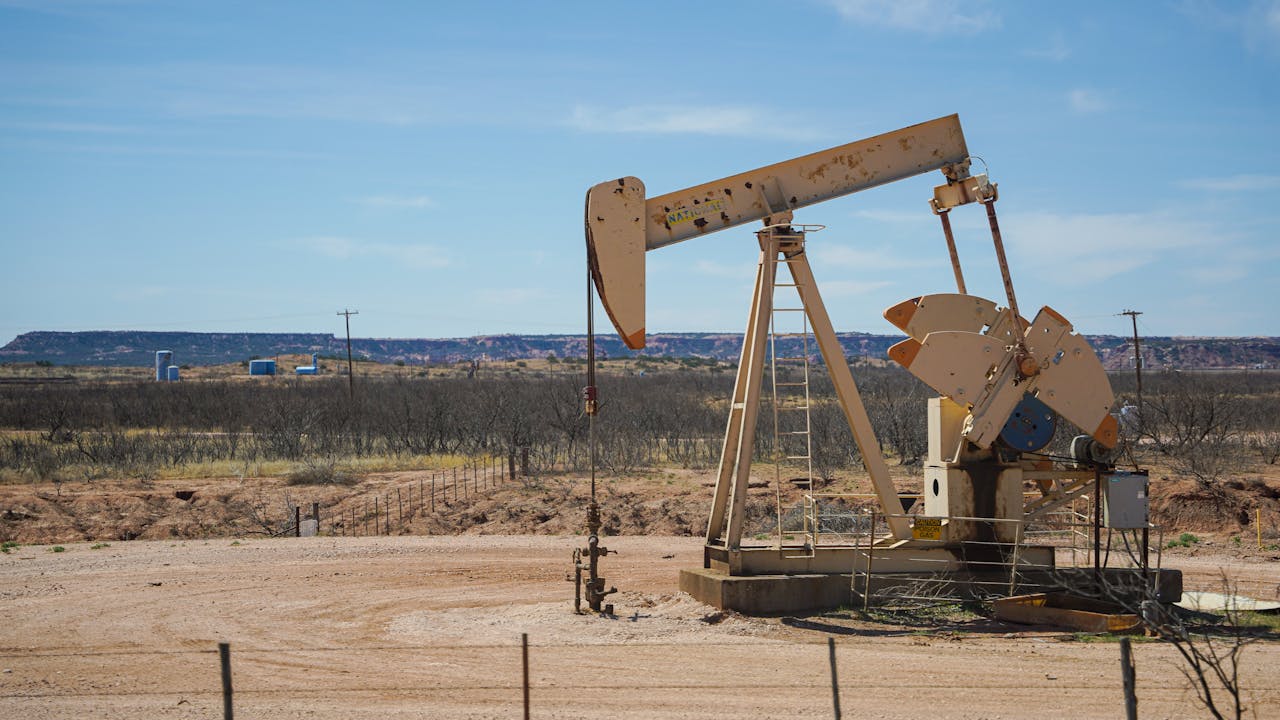
Oil prices climbed close to seven-month highs on Wednesday as escalating U.S.-Iran tensions heightened fears of potential supply disruptions in the Middle East. Despite renewed diplomatic talks scheduled for Thursday in Geneva, investors remain cautious, driving volatility in global crude markets.
Brent crude futures rose 45 cents, or 0.64%, to $71.22 per barrel, while U.S. West Texas Intermediate (WTI) crude gained 42 cents, or 0.64%, to $66.05. Brent recently touched its highest level since late July, and WTI reached its strongest point since early August. Prices have held firm as the United States strengthens its military presence in the Middle East, pressuring Iran to negotiate limits on its nuclear and ballistic missile programs.
Market participants are closely watching the geopolitical risk premium built into oil prices. Iran, the third-largest producer in the Organization of the Petroleum Exporting Countries (OPEC), plays a critical role in global crude supply. Any prolonged military conflict could disrupt oil exports not only from Iran but across the broader Middle East, a region vital to global energy markets.
U.S. envoys Steve Witkoff and Jared Kushner are expected to meet Iranian officials for a third round of negotiations. Iran’s Foreign Minister Abbas Araqchi signaled that a deal is “within reach” if diplomacy prevails. However, uncertainty remains over whether Tehran will meet Washington’s “zero enrichment” demand, as President Donald Trump has warned of severe consequences if talks fail.
Adding to tensions, reports indicate Iran and China are accelerating discussions over anti-ship cruise missile purchases, potentially increasing risks to U.S. naval forces stationed near Iranian waters.
Beyond geopolitical concerns, oil markets are also reacting to supply data. The American Petroleum Institute reported a sharp 11.43 million-barrel rise in U.S. crude inventories for the week ending February 20, signaling potential oversupply. However, gasoline and distillate stocks declined. Investors now await official data from the U.S. Energy Information Administration for further direction in the global oil market.







