


 U.S. Stocks End Mixed as January CPI Cools, Treasury Yields Slide
  Japan Coalition Urges BOJ Independence as Sales Tax Cut Plan Advances
  Oil Prices Edge Higher as US-Iran Tensions and Strong Payroll Data Shape Market Sentiment
  Asian Markets Consolidate Gains as Japan GDP Disappoints and Fed Rate Cut Bets Rise
  Gold Prices Steady as Markets Await Key U.S. Inflation Data
  ECB Expands Euro Liquidity Backstop to Strengthen Global Role of the Euro
  Japan GDP Growth Slows Sharply in Q4 2025 Amid Weak Business Spending and Trade Tensions
  Ukraine Secures $8.2 Billion IMF Loan as Tax Conditions Are Eased
  Yen Surges After Takaichi Election Win as Markets Eye U.S. Inflation Data
  Asian Currencies Slip as Dollar Stabilizes Ahead of U.S. CPI Data
  Gold Prices Steady Above $5,000 as Markets Eye Fed Minutes and PCE Inflation Data
  Australian Central Bank Signals Tough Stance as Inflation Pressures Persist


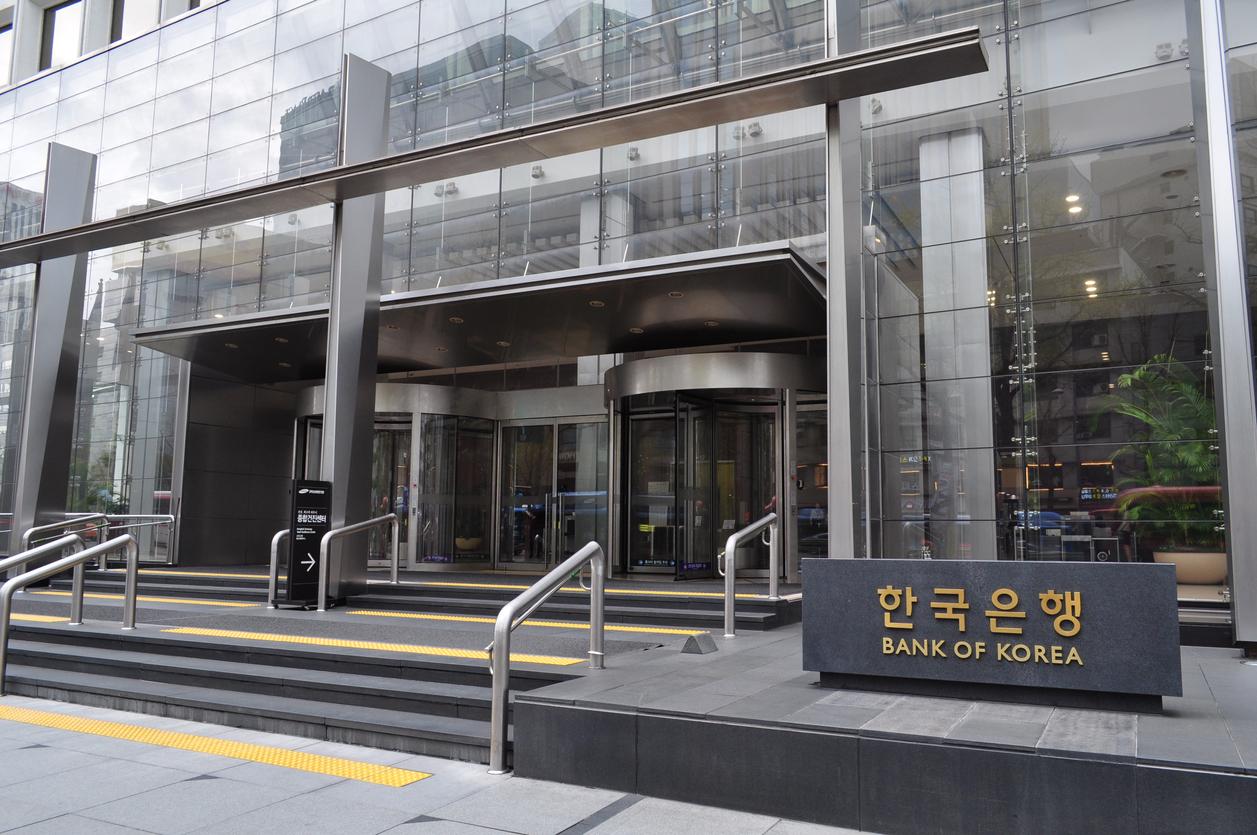
South Korea’s central bank is widely expected to keep its benchmark interest rate unchanged at 2.50% this week and likely through 2026, according to a recent Reuters poll. The Bank of Korea (BOK) is maintaining a cautious stance as it navigates ongoing currency volatility and signs of overheating in the housing market.
All 34 economists surveyed between February 19 and 23 forecast that the BOK will hold its base rate steady at its February 26 policy meeting. This outlook reflects growing concerns over financial stability, particularly as the Korean won remains under pressure. Since the last interest rate cut in May, the won has declined 5.2%, prompting authorities to step up efforts to curb excessive foreign exchange volatility, including activating an FX swap line between the Bank of Korea and the National Pension Service. The currency’s weakness has also drawn scrutiny from the U.S. Treasury.
Although South Korea’s inflation rate eased to a five-month low of 2.0% in January, matching the central bank’s target, policymakers appear reluctant to resume monetary easing. Recent signals from the BOK suggest its rate-cutting cycle is nearing an end, with greater emphasis now placed on exchange rate stability and financial risks.
Housing prices remain another key concern. Seoul apartment prices have risen for 55 consecutive weeks, climbing 0.15% in the week ending February 16, according to Korea Real Estate Board data. The sustained rally has heightened fears of asset bubbles and broader financial imbalances.
Economists also point to resilient economic growth and strong export performance, supported by global demand for high-tech products linked to the AI boom. Most analysts now expect interest rates to remain steady through 2026 and possibly 2027, with any future policy tightening dependent on sustained recovery and rising inflationary pressures.













