


 US Stock Futures Fall as Treasury Yields Surge Ahead of Trump-Xi Summit
  Oil Prices Ease as Iran Tensions Clash With Diplomacy Hopes
  Fed’s Hammack Says Bond Yield Surge Is Not Driven by Inflation Fears
  Dollar Holds Near Two-Month High as Yen Approaches 160
  European Stocks Fall as Bond Yields and Geopolitical Risks Weigh
  Asian Currencies Mixed as Dollar Holds Near Two-Month High
  Japan Private-Sector Growth Slows as Domestic Demand Weakens
  U.S. Dollar Hits Two-Month High as Oil, Treasury Yields Surge
  Trump, Xi Focus on Trade and AI at White House Summit
  Dollar Falls as Oil Eases, Yen Jumps on Intervention Signals
  Soybean Futures Slip as Traders Await Trump-Xi Trade Signals
  Japanese Yen Rebounds as Trump Flags Currency Weakness
  Gold Prices Fall as Treasury Yields Rise on Fed Rate Hike Bets
  Fed Unveils Stablecoin Rules Under GENIUS Act
  Gold Holds Near $4,275 as Rising Treasury Yields Fuel Fed Rate Hike Bets
  US Comfortable With Canada Trade Standoff as Import Bans Loom
  Oil Prices Fall on U.S.-Iran Hormuz Deal Hopes


 Add as a preferred source on Google
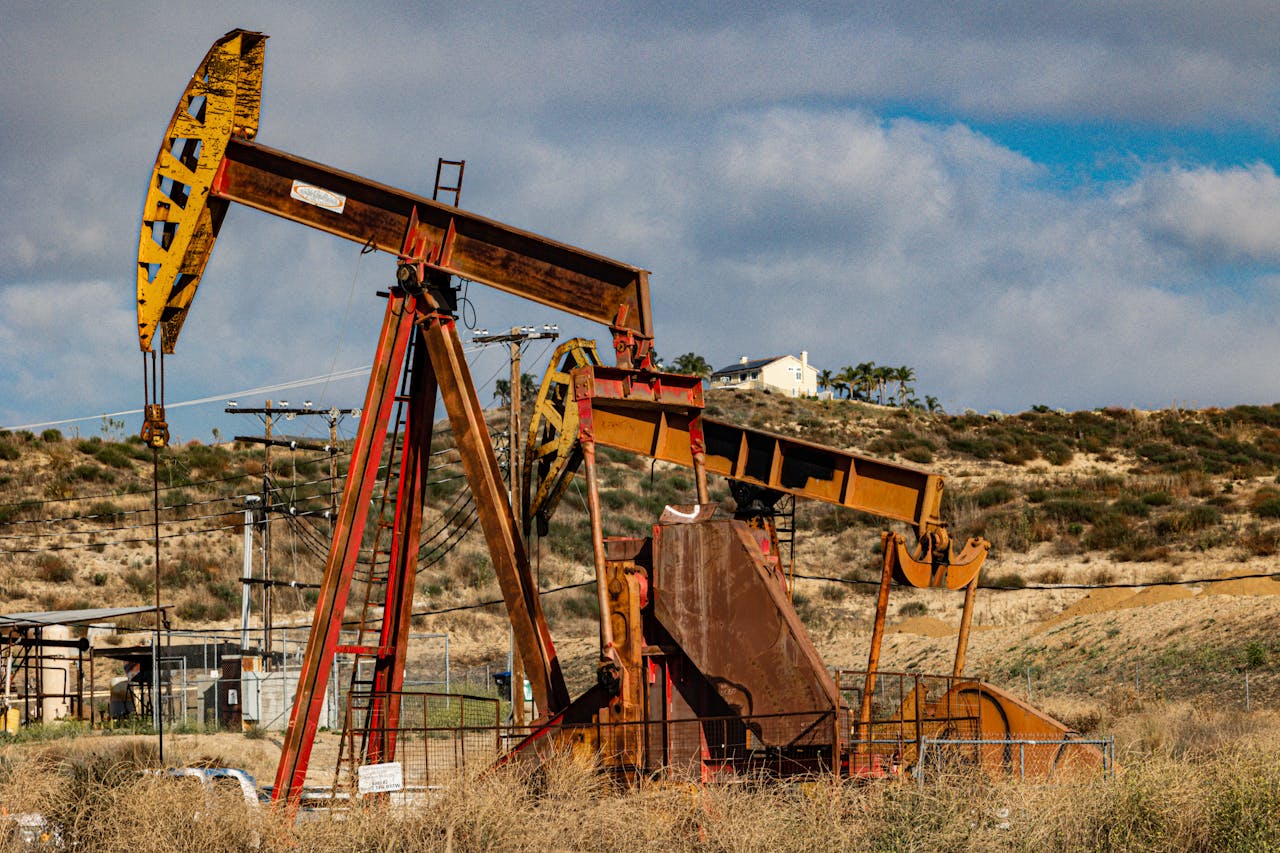
Oil prices steadied in early trade on Wednesday after two straight sessions of declines, as traders weighed the potential for a larger OPEC+ output hike against signs of tightening U.S. crude supplies. Brent crude futures for December delivery inched up 12 cents to $66.15 a barrel, while U.S. West Texas Intermediate (WTI) crude also rose 12 cents to $62.49.
Both benchmarks had suffered sharp drops earlier in the week, with Brent and WTI tumbling more than 3% on Monday—their steepest fall since August 1—followed by another decline of at least 1.5% on Tuesday.
Market sentiment was supported by expectations of shrinking U.S. crude inventories. According to estimates from the American Petroleum Institute (API), crude stocks fell by 3.67 million barrels for the week ending September 26. At the same time, gasoline inventories rose by 1.3 million barrels and distillate stocks increased by 3 million barrels. The drawdown in crude helped prevent deeper losses in oil prices.
Attention also remains on OPEC+ policy. Sources familiar with internal talks revealed that the group, which supplies nearly half of the world’s oil, may raise production by as much as 500,000 barrels per day (bpd) in November—triple October’s hike. Saudi Arabia, in particular, is said to be pushing to regain market share. Some members reportedly discussed increases ranging from 274,000 to 411,000 bpd, though others suggested the output boost could reach 500,000 bpd.
However, OPEC later clarified in a post on X (formerly Twitter) that media reports about a 500,000 bpd hike were “misleading,” adding uncertainty to the market.
Beyond oil, geopolitics also played a role in investor sentiment. In Washington, U.S. President Donald Trump secured Israeli Prime Minister Benjamin Netanyahu’s backing for a U.S.-sponsored Gaza peace proposal, though the response from Hamas remained unclear.
The combination of falling U.S. crude inventories, OPEC+ production signals, and geopolitical developments will likely continue to influence oil market direction in the coming weeks.







