


 Oil Prices Ease as Iran Tensions Clash With Diplomacy Hopes
  US Comfortable With Canada Trade Standoff as Import Bans Loom
  China’s ‘Lipstick King’ Says AI Won’t Replace Livestream Hosts
  RBI Uses $10 Billion Currency Swaps to Drain Excess Rupee Liquidity
  Wall Street Ends Flat as Oil, Treasury Yields and Fed Jitters Rattle Markets
  Oil Prices Jump 3% as Houthi Attack Revives Supply Fears
  Trump, Xi Focus on Trade and AI at White House Summit
  Japan Private-Sector Growth Slows as Domestic Demand Weakens
  Asian Stocks Fall as Surging Bond Yields Rattle Markets
  Fed’s Hammack Says Bond Yield Surge Is Not Driven by Inflation Fears
  US Stock Futures Fall as Treasury Yields Surge Ahead of Trump-Xi Summit
  European Stocks Fall as Bond Yields and Geopolitical Risks Weigh
  Japanese Bank Stocks Surge as Bond Yields Fuel Rate Hike Bets
  Gold Holds Near $4,275 as Rising Treasury Yields Fuel Fed Rate Hike Bets
  Fed Unveils Stablecoin Rules Under GENIUS Act
  Fed Unveils Stablecoin Rules Under GENIUS Act


 Add as a preferred source on Google
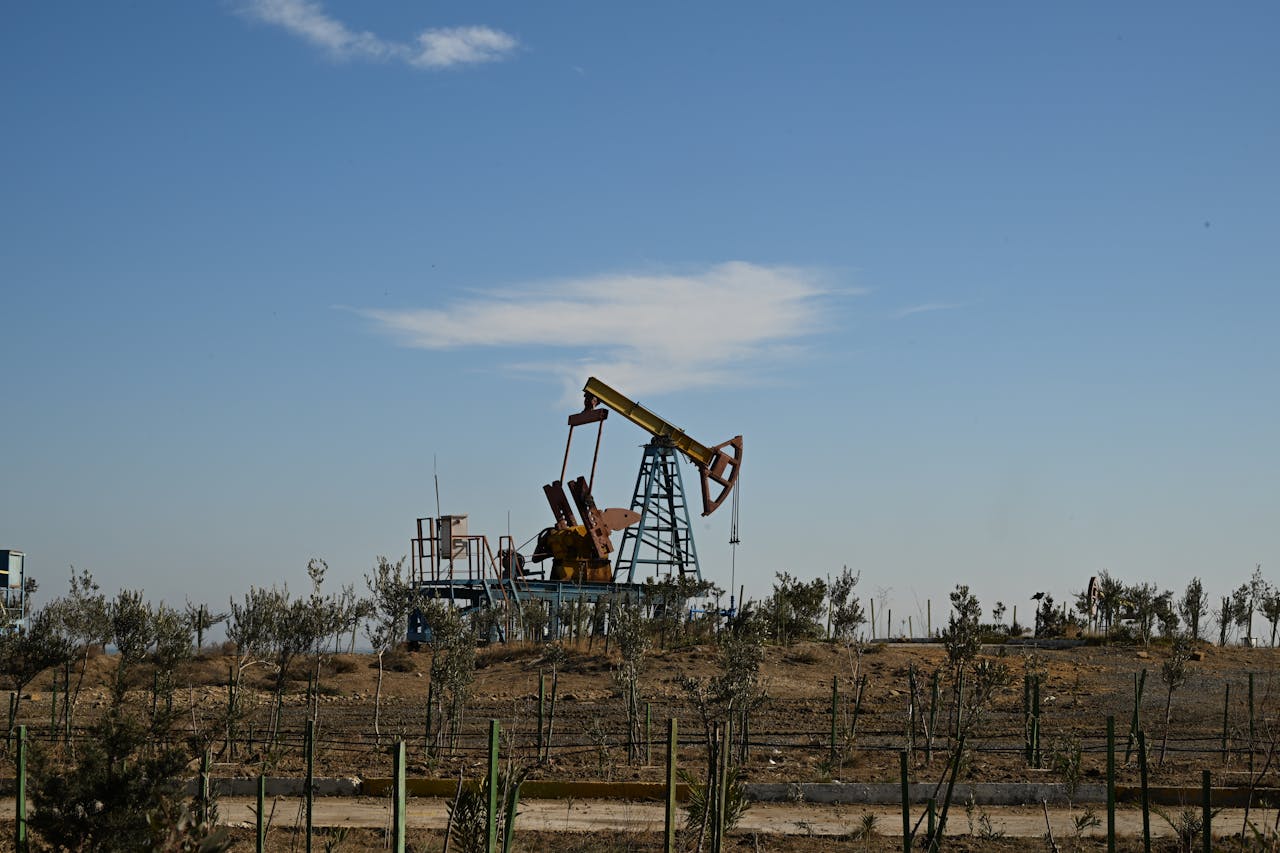
Oil prices edged higher in Asian trading on Friday, extending a strong rebound from the previous session as investors weighed mounting geopolitical risks and potential supply disruptions involving major oil producers. Crude markets were supported by renewed concerns over Russia, Iran, and the Middle East, while fears of an immediate surge in Venezuelan oil supply eased following political developments in the United States.
Brent crude futures for March delivery rose 0.7% to $62.44 per barrel, while West Texas Intermediate (WTI) crude gained 0.7% to $58.03 per barrel. Both benchmarks returned to levels seen before last week’s U.S. military action in Venezuela, after surging more than 4% in the prior session. Oil prices also received modest support from upbeat inflation data out of China, the world’s largest crude importer, signaling that economic recovery momentum may be building.
However, gains in the oil market remained limited as traders exercised caution ahead of key U.S. nonfarm payrolls data, which could influence expectations around interest rates and broader economic growth. Uncertainty over monetary policy continues to weigh on commodity markets globally.
Geopolitical tensions played a major role in supporting crude prices this week. Ongoing military conflict between Russia and Ukraine raised alarms after a drone attack targeted a tanker bound for Russia in the Black Sea, highlighting risks to Russian oil exports. Additional pressure came from reports that U.S. President Donald Trump may allow stricter sanctions on countries doing business with Moscow. Meanwhile, Iraq approved plans to nationalize operations at the West Qurna 2 oilfield, one of the world’s largest, adding to supply uncertainty.
In Iran, escalating anti-government protests and a nationwide internet blackout heightened concerns over potential disruptions to oil production. At the same time, worries over a rapid increase in Venezuelan oil output subsided after the U.S. Senate advanced a resolution aimed at limiting further military action without congressional approval. Analysts noted that even with U.S. involvement, Venezuela’s aging infrastructure and political instability would likely delay any meaningful production boost.
Despite the rebound, oil prices remain under pressure in 2025, marking their steepest annual decline in five years amid growing fears of a global supply glut in 2026.







