


 Gold Prices Fall as Treasury Yields Rise on Fed Rate Hike Bets
  RBI Uses $10 Billion Currency Swaps to Drain Excess Rupee Liquidity
  Wall Street Ends Flat as Oil, Treasury Yields and Fed Jitters Rattle Markets
  U.S. Treasury Yields Surge as 30-Year Hits 22-Year High
  Australia Unemployment Hits Five-Year High Despite Strong Jobs Growth
  Asian Currencies Mixed as Dollar Holds Near Two-Month High
  Oil Prices Fall on U.S.-Iran Hormuz Deal Hopes
  Mexico-US Trade Talks Delayed to October as Tariff Negotiations Continue
  Fed Unveils Stablecoin Rules Under GENIUS Act
  China’s ‘Lipstick King’ Says AI Won’t Replace Livestream Hosts
  Oil Prices Jump 3% as Houthi Attack Revives Supply Fears
  Fed’s Hammack Says Bond Yield Surge Is Not Driven by Inflation Fears
  Dollar Falls as Oil Eases, Yen Jumps on Intervention Signals
  Oil Prices Ease as Iran Tensions Clash With Diplomacy Hopes
  U.S. Dollar Hits Two-Month High as Oil, Treasury Yields Surge
  Gold Holds Near $4,275 as Rising Treasury Yields Fuel Fed Rate Hike Bets


 Add as a preferred source on Google
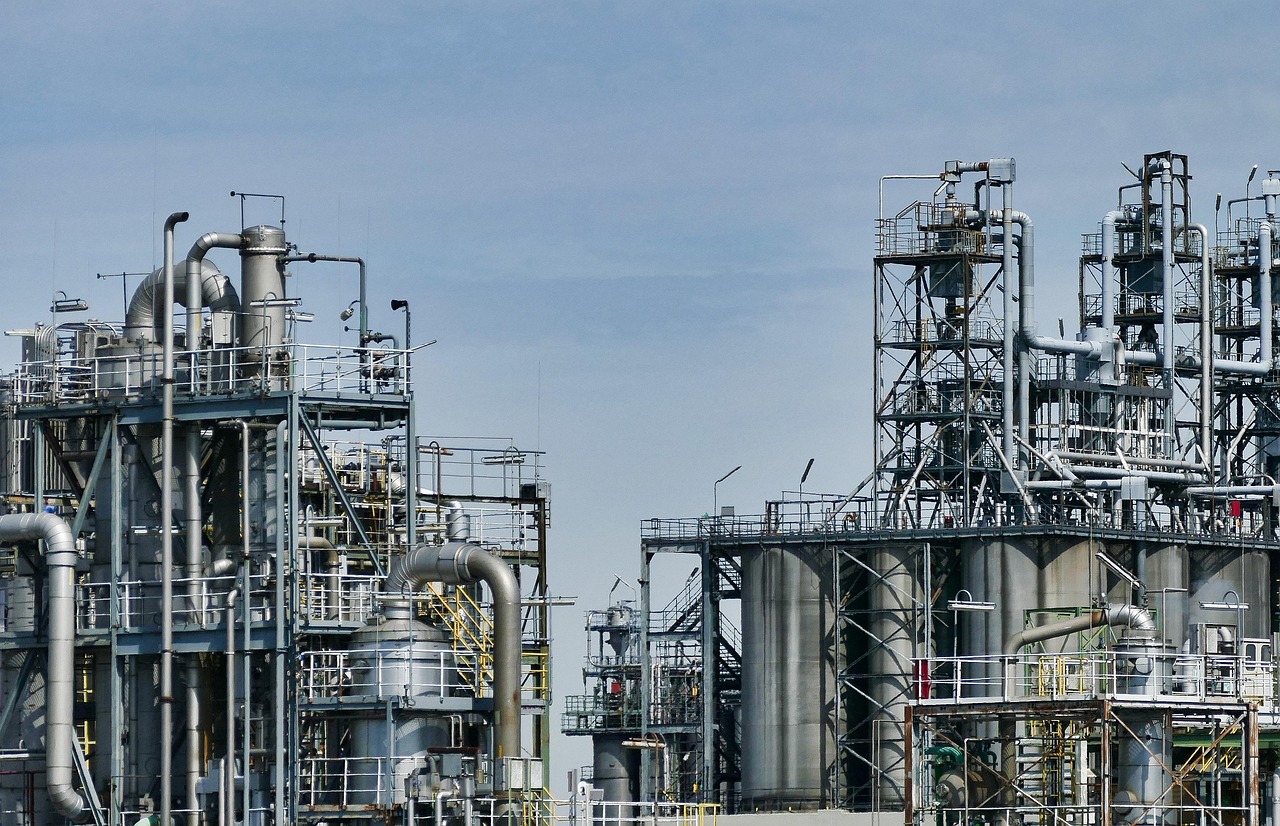
Oil prices rose about 1% in early Asian trading on Monday after the Organization of the Petroleum Exporting Countries and its allies (OPEC+) announced a smaller-than-expected production increase for November, easing market concerns over potential oversupply.
Brent crude futures gained 63 cents, or roughly 1%, to reach $65.16 a barrel, while U.S. West Texas Intermediate (WTI) crude climbed 58 cents to $61.46. Analysts attribute the rise to OPEC+’s cautious move to boost output by only 137,000 barrels per day (bpd) next month—matching October’s modest increase.
Independent analyst Tina Teng said the price uptick was mainly driven by OPEC+’s decision to slow the pace of production hikes, aiming to stabilize oil markets after recent declines. However, she noted that crude prices may continue to face downward pressure due to a weakened global economic outlook.
In pre-meeting discussions, Russia pushed for maintaining the 137,000 bpd increase to prevent downward price pressure, while Saudi Arabia favored a larger output boost to regain market share. Despite these differing views, the group ultimately prioritized market balance amid fears of a potential supply glut.
Analysts from ANZ commented that the restrained production rise is “manageable” given ongoing supply disruptions tied to U.S. and European sanctions against Russia and Iran. Meanwhile, Ukraine’s intensified attacks on Russian energy infrastructure, including the Kirishi refinery, one of the country’s largest with an annual capacity exceeding 20 million tonnes, added further uncertainty to global supply stability.
Additionally, the Group of Seven (G7) finance ministers reaffirmed plans to tighten sanctions on Russian oil exports and penalize entities helping Moscow circumvent restrictions. These actions are part of the West’s continued efforts to limit Russia’s energy revenues amid its ongoing war in Ukraine.
With geopolitical tensions rising and economic forecasts softening, oil prices remain caught between tight supply conditions and sluggish global demand, leaving markets braced for continued volatility.







