


 Adobe CEO Shantanu Narayen Steps Down After 18 Years as Company Beats Q1 Earnings
  Global PC Market Faces 10% Decline in 2026 as AI PCs Surge
  Trump Administration to Receive $10 Billion from TikTok Deal
  X Agrees to Overhaul Blue Checkmark System in EU After €120 Million DSA Fine
  U.S. Senate Greenlights AI Chatbots for Official Staff Use
  JD.com's Joybuy Launches in Europe to Challenge Amazon
  Pokemon Pokopia Sells 2.2 Million Copies in Four Days, Boosting Nintendo Switch 2 Momentum
  Telus Corp. Confirms Cybersecurity Breach Amid Extortion Threat
  Lynas Rare Earths Secures $96M U.S. Defense Supply Deal
  Nintendo Stock Surges 10% as Pokémon Pokopia Breaks Sales Records
  Alphabet's GFiber Merges with Astound Broadband to Build Major U.S. Internet Provider
  Tesla and Syrah Resources Extend Graphite Supply Default Deadline to June 1
  U.S. Oil Executives Warn Trump Administration of Worsening Energy Crisis Amid Strait of Hormuz Disruptions
  Perpetual Limited Sells Wealth Management Arm to Bain Capital for A$500 Million
  Chinese AI Stocks Surge as Tencent, MiniMax, and Zhipu Launch Agentic AI Programs
  Rio Tinto Suspends Kennecott Mine Operations After Fatal Contractor Incident
  Senator Hawley Accuses Fertilizer Giants of Price Gouging Amid Iran Supply Disruptions


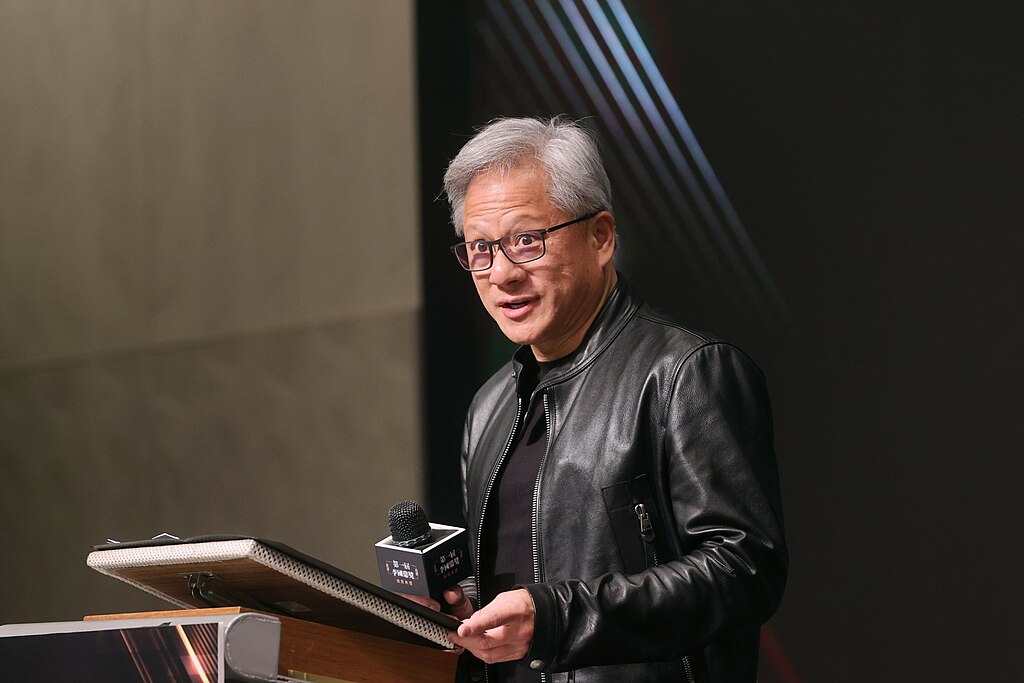
Jensen Huang is preparing to take center stage at Nvidia's annual GTC developer conference, where the charismatic CEO is expected to unveil a sweeping roadmap designed to keep Nvidia ahead of a fast-moving pack of AI chip competitors. The event, held in the heart of Silicon Valley across four days, has grown into one of the most anticipated gatherings in the technology world.
Industry analysts anticipate Huang will deliver updates spanning Nvidia's next-generation chip architectures — from the current Rubin lineup to the upcoming Feynman series — while placing heavy emphasis on inference computing, agentic AI, and data center infrastructure. With governments and corporations worldwide pouring hundreds of billions of dollars into AI-driven data centers, the stakes for Nvidia have never been higher.
Despite commanding over 90% of both the AI training and inference chip markets today, Nvidia faces mounting pressure. Rivals are closing the gap, and major customers like OpenAI and Meta are developing proprietary chips in-house. Analysts widely expect Nvidia's market share to face meaningful erosion starting around 2027 as custom application-specific integrated circuits gain traction, particularly in inference workloads.
To reinforce its position, Nvidia made a bold $17 billion acquisition of Groq in December, a startup specializing in fast, cost-efficient inference technology. Huang is expected to demonstrate at GTC how Groq's capabilities integrate seamlessly into Nvidia's established CUDA software platform. New server products combining Groq's chips with Nvidia's networking technologies are also anticipated.
The rise of agentic AI — where fleets of AI assistants autonomously handle tasks and require intelligent orchestration layers — is shifting demand toward CPUs, an area Nvidia is actively expanding into. Additionally, the company's recent $2 billion investments in laser-optics firms Lumentum and Coherent signal a longer-term push to accelerate chip-to-chip communication inside massive AI data centers.













