


 Novo Nordisk Strikes €1.17 Billion Nanexa Drug Delivery Deal
  US, China Extend Trade Truce to Jan. 10 Ahead of Trump-Xi Summit
  Dubai’s connectivity remains strong in an uncertain world
  Meta Unveils Muse Charm AI Device, Expands Smart Glasses Lineup
  China’s ‘Lipstick King’ Says AI Won’t Replace Livestream Hosts
  Soybean Futures Slip as Traders Await Trump-Xi Trade Signals
  Jeff Bezos Invests $32 Billion in Blue Origin as Space Firm Targets Major Growth
  Tencent Launches TenPayGo Payment App for Foreign Tourists in China
  Oracle Shares Fall as New Mexico AI Data Center Faces Power Delays
  US 10-Year Treasury Yield at 6% Emerges as New Market Risk Threshold
  U.S. 10-Year Treasury Yield Hits 2007 High as Fed Rate Hike Bets Rise
  Mexico-US Trade Talks Delayed to October as Tariff Negotiations Continue
  EQT Plans €1.7 Billion Sale of Parques Reunidos Stake
  Meta Connect Spotlights Camera-Free Smart Glasses Amid Privacy Concerns
  Asian Stocks Fall as Bond Yields Surge Ahead of Trump-Xi Summit
  Oil Prices Ease as Iran Tensions Clash With Diplomacy Hopes


 Add as a preferred source on Google
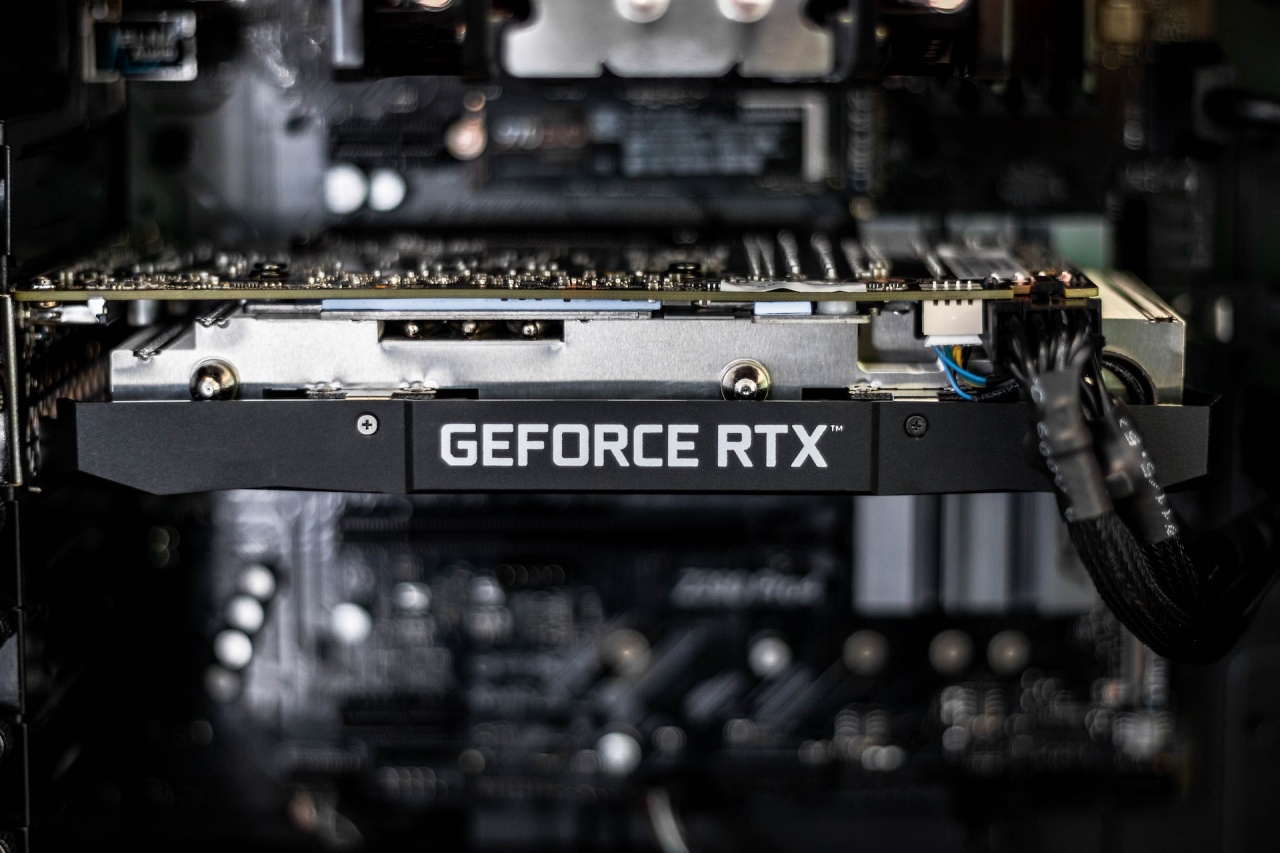
Nvidia software company and Advanced Micro Devices Semiconductor (AMD) company are two of the leading chipmakers in the United States. It was reported that they had been recently ordered by officials to stop the sale of their technologies and other products to China.
According to CNN Business, Nvidia and AMD are being stopped from exporting their products to Chinese customers. The companies said that they were told by the US government to halt the sales of high-performance chips that can be used for artificial intelligence projects and developments.
In its recent regulatory filing, Nvidia Corporation revealed that officials are banning the export to China due to a potential risk of the chips being supplied or used by military users. It was added that the restrictions are applicable to Nvidia's A100 chip and the upcoming H100 integrated circuits.
All the systems that have these products are also covered by the ban, and the order is effective immediately. The Santa Clara, California headquartered software firm said that the order threatens to nullify some $400 million worth of deals in China. This means the new requirement will affect the company’s potential sales in the country.
Nvidia told CNN Business in a statement that it is working with Chinese customers to satisfy their future purchases by delivering alternative products. It may also secure licenses where replacements are not sufficient.
On the other hand, AMD told the publication that the new order from the US Department of Commerce will surely hit the shipments of its MI250 integrated circuits to China. It was added that the new instruction given to US chipmakers also covers a restriction in exports to Russia although both Nvidia and AMD said they are not selling any products to the Russians at this time.
"At this time, we do not believe that shipments of MI100 integrated circuits are impacted by the new requirements," AMD said. "We do not currently believe it is a material impact on our business."
Meanwhile, CNBC reported that in the latest update, Nvidia said on Thursday, Sept. 1, that although there is an export ban for certain chips, the U.S. government is allowing it to continue working on the development of its H100 artificial intelligence chip in China.







