


 Trump Advisers Warn Iran War Could Last Until 2029
  Israel Destroys Hezbollah Underground Network in Southern Lebanon
  Iran Attacks 10 Ships as Hormuz Conflict Escalates
  Saudi Arabia Shuts East-West Oil Pipeline After Drone Attack
  Russian Strikes Hit Kyiv as Ukraine Targets Russian Cities
  Kim Jong Un Praises North Korean Troops Fighting Overseas
  Russian Drone Strikes Hit Ukraine-Moldova Border, Kyiv and Sumy
  Trump Says He Has No Regrets Over Iran War
  Kim Jong Un Praises North Korean Troops Fighting Overseas
  Trump Open to Chinese Automakers Building Cars in US
  CIA Chief Ratcliffe May Take Bigger Role in Ukraine Peace Talks
  Trump Says No Regrets Over Iran War Despite Midterm Risks
  Israel Orders UK East Jerusalem Consulate Closure
  Trump Rejects Saudi Request for U.S. Strikes on Houthis
  US Caribbean Vessel Strike Kills Three
  Lula Holds Narrow Lead Over Flavio Bolsonaro in Brazil Election Poll


 Add as a preferred source on Google
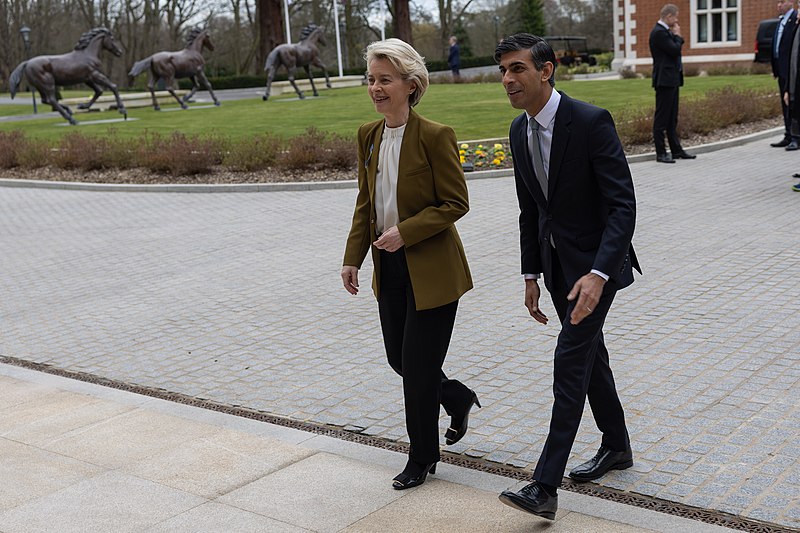
The leader of Northern Ireland’s Democratic Unionist Party said the new deal struck by British Prime Minister Rishi Sunak with the European Union would give the region’s Stormont assembly the authority to apply a brake. The brake was in connection with the provision of stopping new EU trade rules from applying to goods in Northern Ireland.
Speaking to BBC Radio 4 on Tuesday, DUP leader Jeffrey Donaldson said the new deal by the EU and UK to resolve the issues related to the Northern Ireland Protocol does provide the region’s Stormont assembly with authority to apply the brake. The Stormont brake was unveiled as part of the deal, would allow the British government to stop new EU laws related to goods in Northern Ireland if one-third of lawmakers in Stormont requested.
“I do think that what has been proposed at first reading does give Stormont the ability to apply the brake where the application of EU law for the purposes of facilitating cross-border trade impacts on our ability on trade with the rest of the United Kingdom,” said Donaldson.
On the same day, Sunak said the new post-Brexit trade deal with the EU is not about one political party but rather improving the situation in Northern Ireland. When pressed on whether he would impose the new deal without the support of the DUP, Sunak told BBC Radio that the framework was what was agreed upon with the bloc.
The announcement of the deal was made on Monday during a news conference by Sunak and EU Commission chief Ursula von der Leyen in Windsor. Von der Leyen praised the new deal, now known as the Windsor Framework, describing the new agreement as a “practical solution for people and all communities in Northern Ireland.”
“This new framework will allow us to begin a new chapter,” von der Leyen told reporters during the news conference. “It provides for long-lasting solutions that both of us are confident will work for all people and businesses in Northern Ireland – solutions that respond directly to the concerns they have raised.”
Sunak also confirmed that the British parliament would get to vote on the agreement once all parties involved have had time to study the new framework.







