


 US Backs Musk in Fight Against EU’s €120 Million X Fine
  Russian Missile and Drone Attack on Kyiv Kills Two, Damages Maternity Hospital
  Europe Warns Russia Is Escalating Hybrid Attacks Across NATO
  Venezuela Promises Elections as Delcy Rodriguez Pledges Democratic Transition
  US Invites Putin to Miami G20, Opening Door to Trump Summit
  Russian Envoy Dmitriev Heads to US for Ukraine Talks
  Gaza Faces Evacuation Crisis as War-Damaged Buildings Risk Collapse
  EU Defence Build-Up Too Slow for 2030 Russia Readiness Goal
  NATO Boosts Intelligence Sharing Amid Russia Hybrid Threats
  Judge Orders Trump to Restore White House Access for CNN, MS NOW and Politico
  Yemen Violence Displaces 130,000 as Civilian Toll Rises
  Sudan Rejects US Legitimacy Remarks, Defends Sovereignty
  South Korea, US Discuss Warship Building Cooperation
  Mexico-US Trade Talks Delayed to October as Tariff Negotiations Continue
  Taiwan Thanks US for Support Ahead of Trump-Xi Summit
  US Senate Rejects Iran War Powers Resolution in 50-49 Vote
  US, China Extend Trade Truce to Jan. 10 Ahead of Trump-Xi Summit


 Add as a preferred source on Google
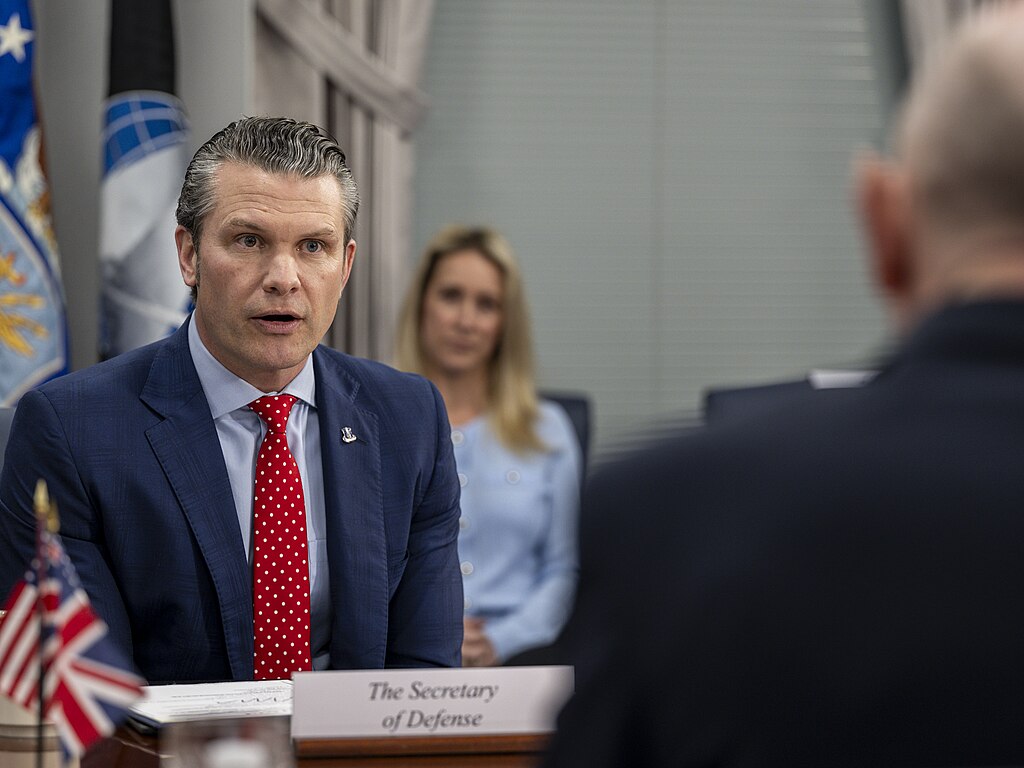
Taiwan’s presidential office said Friday it has not received any official notice from the United States regarding any suspension or adjustment of military sales to the island, despite comments from a senior U.S. defense official suggesting a temporary pause linked to the ongoing conflict with Iran.
Taiwan has been anticipating a major new U.S. arms package reportedly valued at up to $14 billion. The deal is considered critical for strengthening Taiwan’s defense capabilities as tensions with China continue to rise across the Taiwan Strait. However, uncertainty has emerged after U.S. President Donald Trump stated following his recent summit with Chinese President Xi Jinping in Beijing that he had not yet decided whether to approve the package.
The issue gained attention after U.S. Acting Navy Secretary Hung Cao addressed lawmakers during a Senate Appropriations Defense Subcommittee hearing on Thursday. Cao said the United States had temporarily slowed certain foreign military sales to ensure enough munitions remain available for “Epic Fury,” the U.S. military operation connected to the Iran conflict.
According to Cao, the pause is aimed at reviewing American defense stockpiles rather than permanently halting military support for Taiwan. He added that future arms sales would continue once the administration determines the timing is appropriate. The final decision, he noted, would rest with Defense Secretary Pete Hegseth and Secretary of State Marco Rubio.
In response, Taiwan Presidential Office spokesperson Karen Kuo told reporters in Taipei that authorities were aware of the remarks but had not been formally informed of any changes to U.S. military sales policies involving Taiwan.
The United States remains legally obligated under the Taiwan Relations Act to help Taiwan maintain its self-defense capabilities. China, which claims Taiwan as part of its territory, has repeatedly opposed U.S. weapons sales to Taipei and urged Washington to stop supporting the island militarily.
Taiwan’s government continues to reject Beijing’s sovereignty claims, insisting that only the Taiwanese people have the right to determine the island’s future.







