


 ISIS Attack Near Kirkuk Kills Iraqi Policeman After US Withdrawal
  Ukraine Faces $56 Billion Budget Gap as War Costs Soar
  France Student Protests Intensify Nationwide
  Becton Dickinson to Invest $3 Billion in U.S. Medical Manufacturing
  Trump Gaza Peace Plan Stalls as Israel Retains Control
  Australia Probes Flydubai Co-Pilot’s Links After FZ1073 Hijack Attempt
  Takaichi Pledges to Control Japan Bond Issuance
  Mexico Seeks US Evidence After Border Gunfire Claim
  Trump Opens Tax-Exempt Dyed Diesel Access as Fuel Prices Surge
  Ukraine to Intensify Strikes on Russian Oil Refineries
  Cuba Says US Contacts Continue but Formal Talks Remain Stalled
  US DOT Ends Airline Privacy Review Without Enforcement
  OPEC+ Keeps November Oil Output Targets Steady
  Fairshake Backs 32 Pro-Crypto House Candidates
  US Army Tests Counter-Drone Technology Along Mexico Border
  Russian Bombs Kill Six, Injure Nearly 60 in Kharkiv
  OpenAI, Anthropic Back Mandatory AI Breach Reporting in Australia


 Add as a preferred source on Google
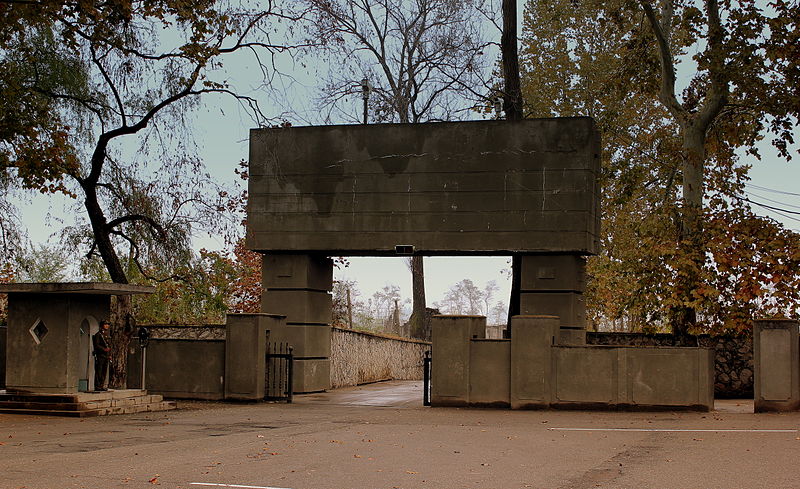
The South Korean military said Thursday that North Korea has launched another ballistic missile in what would be among the latest launches by Pyongyang. North Korea also vowed to issue a stronger response to the United States and its allies following the recent trilateral summit.
The missile fired by North Korea was launched from its eastern city of Wonsan, flying 240 kilometers at an altitude of 47 kilometers at a speed of Mach four. Thursday’s launch took place hours after North Korean foreign minister Choe Son-Hui criticized the trilateral summit between the US, South Korea, and Japan, in which all three leaders criticized North Korea’s weapons tests while pledging greater security cooperation.
During the summit, US President Joe Biden reaffirmed Washington’s commitment to enforce its extended deterrence and defend the two allies with the “full range of capabilities” that included nuclear weapons.
Choe said that the three countries’ “war drills for aggression” failed to deter North Korea, and instead would bring a “more serious, realistic, and inevitable threat” on themselves.
“The keener the US is on the ‘bolstered offer of extended deterrence’ to its allies and the more they intensify provocative and bluffing military activities…the fiercer the DPRK’s military counteraction will be,” said Choe in a statement released by the North Korean state media outlet KCNA, referring to North Korea’s initials of its official name, the Democratic People’s Republic of Korea.
The South Korean Joint Chiefs of Staff later said that Seoul and Washington carried out missile defense drills following the launch.
On Friday, Pyongyang launched an intercontinental ballistic missile that landed just 200 kilometers off the coast of Japan. The ICBM launch drew the condemnation of US Vice President Kamala Harris and the leaders of Japan, South Korea, Canada, Australia, and New Zealand on the sidelines of the APEC Summit in Thailand.
Japanese Prime Minister Fumio Kishida warned of more missile launches from North Korea and a potential nuclear test, according to the Japanese government in a statement.
“Pyongyang is trying to disrupt international cooperation against it by escalating tensions and suggesting it has the capability of holding American cities at risk of nuclear attack,” said South Korean Ewha Women’s University Professor Leif-Eric Easley.







