


 Trump Gaza Peace Plan Stalls as Israel Retains Control
  Flavio Bolsonaro, Lula Head to Brazil Presidential Runoff
  OpenAI, Anthropic Back Mandatory AI Breach Reporting in Australia
  Yemen Launches Major Offensive to Retake Houthi-Held Areas
  Cuba Says US Contacts Continue but Formal Talks Remain Stalled
  US Army Tests Counter-Drone Technology Along Mexico Border
  France Student Protests Intensify Nationwide
  Flavio Bolsonaro, Lula Head to Brazil Election Runoff
  US Caribbean Vessel Strike Kills Four
  Trump Plans Diesel Tax Relief as Fuel Prices Hit Record Highs
  ISIS Attack Near Kirkuk Kills Iraqi Policeman After US Withdrawal
  Takaichi Pledges to Control Japan Bond Issuance
  OPEC+ Keeps November Oil Output Targets Steady
  Ukraine Faces $56 Billion Budget Gap as War Costs Soar
  Trump Offers US Help to Russia After Plague Lab Worker Dies
  Mexico Seeks US Evidence After Border Gunfire Claim
  Trump Envoy Meets Sudan Army Chief in Egypt


 Add as a preferred source on Google
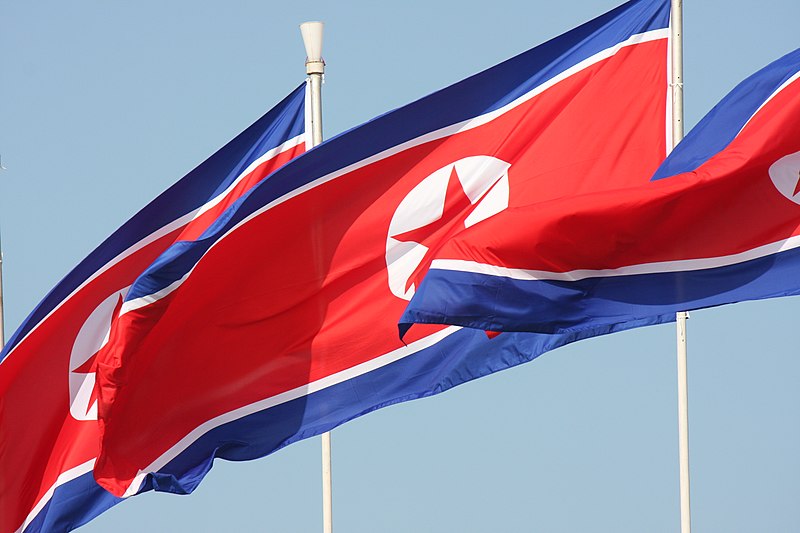
US researchers said this week that more North Koreans are using cell phones, and WiFi networks have expanded in recent years in the isolated nation. This comes as phones have become a tool for market activity.
Researchers Martyn Williams and Natalia Slavney of the Stimson Center’s 38 North program in Washington Tuesday published their study on digital communication in North Korea that included an assessment of satellite images and a survey of 40 defectors who fled North Korea from 2017 to 2021. The study found a rise in cellular phone subscribers since the 3G network service started in North Korea in 2008.
The assessment found that the number of users went up from 6.5 million to seven million, which is more than a quarter of the isolated nation’s population of 25 million.
“More than 90 percent of the people who participated in the survey reported using the phone at least daily, and most of the calls were made to family members and traders,” Slavney told a briefing on the assessment.
The study also showed an estimated map of North Korea’s cellular network by identifying the base stations with the accompanying antennas and solar panels from satellite images. Williams said the 3G service was not only available in the cities but also in rural areas.
Williams also explained that the sanctions on North Korea resulted in faster WiFi networks across the country due to the 3G network and limits on foreign investment in upgrades. However, the WiFi networks only provide citizens with access to domestic services rather than internet access.
The study comes at a time when North Korea is under scrutiny for its multiple weapons tests this year so far, along with fears that Pyongyang was gearing up for its first nuclear test in five years.
US President Joe Biden said Monday that he urged his Chinese counterpart Xi Jinping to talk North Korea out of resuming its nuclear tests. It remains to be seen whether Beijing would be able to convince North Korea.
During a news conference after his meeting with Xi, Biden said that Washington would do what it needs to do to defend itself and its allies Japan and South Korea in case Pyongyang moved forward with its weapons tests.







