


 Flavio Bolsonaro Surges as Family Scores Brazil Election Comeback
  Australia Probes Flydubai Co-Pilot’s Links After FZ1073 Hijack Attempt
  India-US Trade Deal Talks Hit Plateau, Sitharaman Says
  OpenAI, Anthropic Back Mandatory AI Breach Reporting in Australia
  Mexico Seeks US Evidence After Border Gunfire Claim
  California Woman Arrested Over Alleged Spying on Taiwan President’s Son
  Yemen Launches Major Offensive to Retake Houthi-Held Areas
  OPEC+ Keeps November Oil Output Targets Steady
  US DOT Ends Airline Privacy Review Without Enforcement
  Trump Orders Firing Squad Execution for Fort Hood Gunman
  Ukraine Faces $56 Billion Budget Gap as War Costs Soar
  US Caribbean Vessel Strike Kills Four
  Becton Dickinson to Invest $3 Billion in U.S. Medical Manufacturing
  Trump Opens Tax-Exempt Dyed Diesel Access as Fuel Prices Surge
  Trump Offers US Help to Russia After Plague Lab Worker Dies
  Flavio Bolsonaro, Lula Head to Brazil Presidential Runoff
  Takaichi Pledges to Control Japan Bond Issuance


 Add as a preferred source on Google
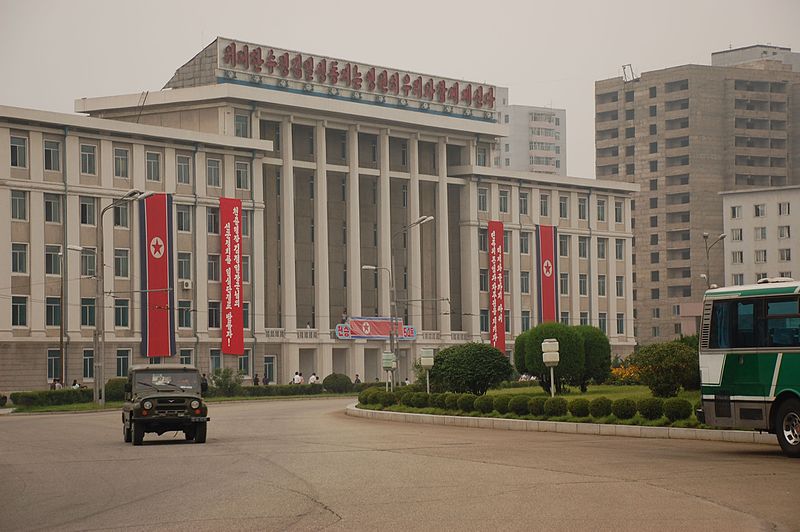
Last week, the United States said its policy on North Korea remains the same. The clarification from Washington follows a remark by a senior US official responsible for nuclear policy that the US is open to engaging in arms control talks with North Korea.
US State Department spokesperson Ned Price said Friday last week that Washington’s policy on North Korea has not changed even after the comments by the agency’s undersecretary of arms control Bonnie Jenkins regarding potential arms control talks with Pyongyang.
“I want to be very clear about this. There has been no change to US policy,” said Price, adding that Washington’s policy on Pyongyang is still its complete denuclearization and that they are still willing to pursue diplomacy with North Korea.
“We will continue to be open to diplomacy with the DPRK, we continue to reach out to the DPRK, we’re committed to pursuing a diplomatic approach. We’re prepared to meet without preconditions and call on the DPRK to engage in serious and sustained diplomacy,” said Price, referring to North Korea by the initials of its official name, the Democratic People’s Republic of Korea.
Another State Department arms control official, Alexandra Bell, also echoed Price’s comments on US policy. Speaking at the same conference that Jenkins addressed, Bell stressed that there was no change in US policy on North Korea. Bell was pressed on whether it was time to accept that North Korea is a nuclear state, the official said no and that they are still open to talks with North Korean officials.
Asia Society’s Daniel Russel, who previously served as Barack Obama’s top US diplomat, said that Jenkins fell for North Korean leader Kim Jong-un’s “trap.”
“Kim would love nothing better than to push his risk reduction agenda – the withdrawal of US troops from Korea,” said Russel.
On the same day, Pyongyang fired two short-range ballistic missiles off the east coast, according to the South Korean military, as South Korean forces were wrapping up nearly two weeks of military drills aimed at deterring North Korea. The missiles were fired from North Korea’s Tongchon in the Gangwon province, four days after both sides exchanged warning shots off the west coast of the peninsula.







