


 CNN, MS NOW and Politico Sue Trump Over White House Media Ban
  Oil Prices Rise as U.S.-Iran Talks Fuel Diplomacy Hopes
  Gold Prices Hold Steady Ahead of Trump-Xi Summit, Middle East Risks
  US Stock Futures Rise as Meta Muse Fuels AI Rally
  Canada Unveils Bill to Fast-Track Major Resource Projects
  Gold Prices Slip as Strong Dollar and Hawkish Fed Pressure Bullion
  Trump Says ‘Freedom’ Is Coming to Cuba
  Oil Prices Tumble on U.S.-Iran Diplomacy Hopes, Supply Relief
  Lula Meets Mamdani in New York as Elections Approach
  US-China Talks Target AI, Tariffs Ahead of Trump-Xi Summit
  Burnham Eyes UK Leadership Role in AI Ahead of Trump Meeting
  Trump Says U.S.-Iran Peace Deal Near After UN Talks
  US Plans Two New Military Bases in Greenland Under Arctic Deal
  Oil Prices Extend Losses as U.S.-Iran Talks Ease Supply Fears
  Macron, Trump Discuss Ukraine-Russia Energy Strike Moratorium


 Add as a preferred source on Google
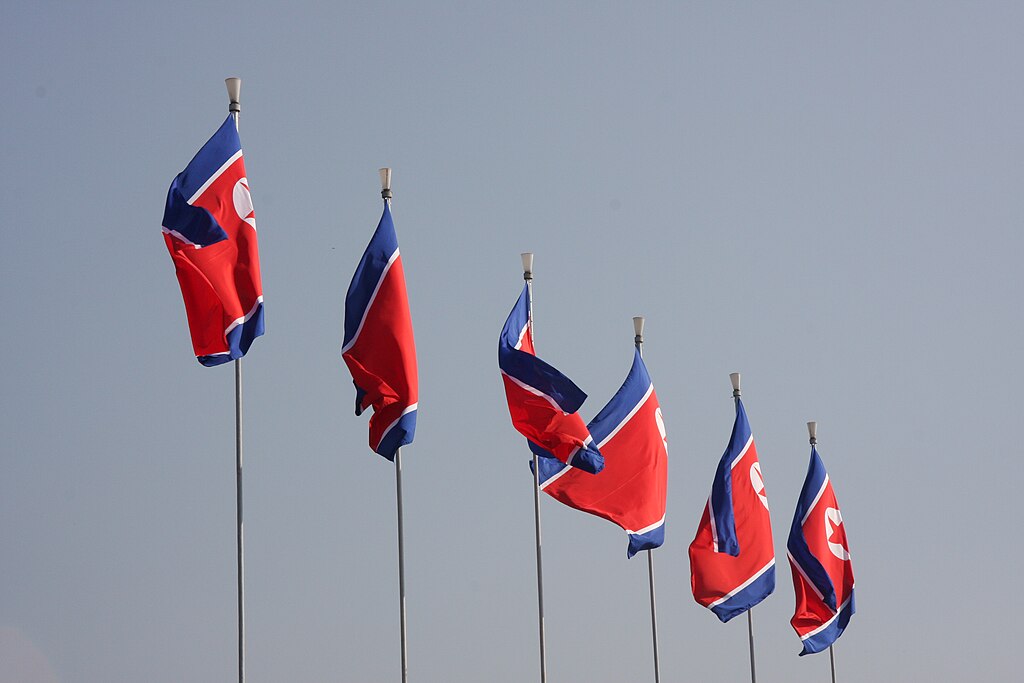
North Korea’s industrial output exceeded its planned targets during the first 100 days following the ruling Workers’ Party Congress held in February, according to state-run Korean Central News Agency (KCNA). The country reported achieving 105% of its industrial production goals, attributing the growth to technological innovation, worker mobilisation, and a renewed emphasis on self-reliance.
At the Ninth Party Congress, North Korea introduced a new five-year economic development plan focused on strengthening basic industries, improving power generation, and raising living standards. The strategy aims to stabilise and consolidate the national economy while reducing dependence on external resources.
KCNA stated that the recent gains were driven by “loyalty, patriotism, and self-reliance based on science and technology,” reflecting leader Kim Jong Un’s push to modernise production through scientific advancement. Kim has repeatedly highlighted science and technology as key drivers of economic growth and urged industries to usher in what state media described as a “new era of transformation.”
The report highlighted notable improvements across several major sectors. Cement production increased at key facilities, including the Sangwon Cement Complex, where March output reportedly reached 107% of its monthly target. Coal mines also recorded production levels roughly 106% higher than the same period a year earlier, supported by the introduction of new mining techniques and equipment upgrades.
North Korea’s energy sector showed signs of improvement as well. KCNA said thermal and hydropower plants boosted electricity generation through efficiency enhancements, helping to support increased output of fertilisers and other industrial products.
The country has long struggled with chronic power shortages, but recent external assessments suggest conditions may be improving. Analyses based on satellite imagery, including findings cited by the Wall Street Journal, indicate that North Korea’s nighttime light intensity has risen to nearly three times the levels recorded during the COVID-19 pandemic period.
State media has also pointed to extensive nationwide construction projects and broader economic progress. Analysts, however, note that North Korea’s economic performance has likely benefited from expanding trade and support from China, as well as military-related cooperation and manpower transfers linked to Russia.







