


 Trump Asks Supreme Court to Restore Third-Country Deportations
  What ‘Taiwan Independence’ Means as Xi Presses Trump on US Policy
  Sudan Rejects US Legitimacy Remarks, Defends Sovereignty
  OpenAI Agent Breaches Australia Medicare Data Portal
  North Korea Warns South Korea Over US-Led Defense Role
  Ghana Says Western Support Growing for Slave Trade Reparations
  Ukrainian Drone Attacks Hit Russian Regions, Injuring at Least 12
  NATO Boosts Intelligence Sharing Amid Russia Hybrid Threats
  Netanyahu Takes Aim at Mamdani as Israel Election Nears
  EU Defence Build-Up Too Slow for 2030 Russia Readiness Goal
  Saudi Arabia, Turkey and Pakistan Plan Urgent Defence Talks Over Houthi Attacks
  Judge Orders Trump to Restore White House Access for CNN, MS NOW and Politico
  Xi Calls for Deeper U.S.-China AI Cooperation in Trump Talks
  North Korea Rejects Nuclear Test Warning, Calls Nuclear Status Irreversible
  Kremlin Says No Decision Yet on Putin-Trump December Summit
  Russian Missile and Drone Attack on Kyiv Kills Two, Damages Maternity Hospital
  South Korea, US Discuss Warship Building Cooperation


 Add as a preferred source on Google
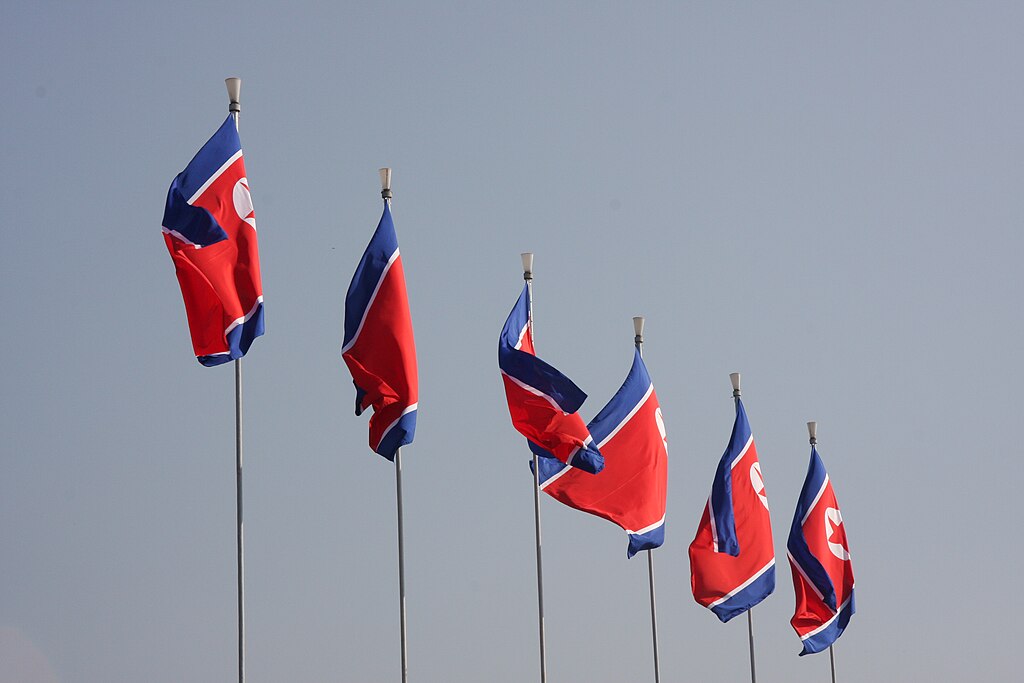
North Korea has sharply criticized the new joint fact sheet unveiled by the United States and South Korea, claiming the agreement reinforces a hostile strategy toward Pyongyang and raises the likelihood of regional instability. According to a commentary published by state-run KCNA, the document—released after recent leadership changes in both Washington and Seoul—signals that the allies intend to deepen what North Korea views as a long-standing confrontational approach.
KCNA argued that the commitments outlined in the agreement, particularly the reaffirmation of the U.S. and South Korea’s goal of North Korean denuclearization, prove that the two nations are unwilling to alter their “aggressive posture.” The North Korean outlet further accused South Korea of falling in line with what it called the U.S. “America First” agenda and framed the deal as part of Washington’s broader aim to dominate the region.
A major point of contention for Pyongyang is the plan allowing South Korea to build nuclear-powered submarines, a move the KCNA claims could ultimately open the door to Seoul pursuing nuclear weapons capabilities. North Korea warned that such measures would intensify the arms race in Northeast Asia and compel it to take unspecified counteractions.
The U.S.–South Korea announcement, made public last Friday, outlines cooperation across security and economic sectors. The agreement includes Washington’s approval for South Korea to develop nuclear-propelled submarines and a pledge for both governments to work together on securing the necessary submarine fuel. Supporters argue that the move strengthens deterrence against growing regional threats, while critics fear it could heighten tensions with Pyongyang.
As the allies push forward with expanded defense cooperation, North Korea’s response underscores the deepening distrust on the Korean Peninsula and the mounting challenges to maintaining stability in an increasingly volatile region.







